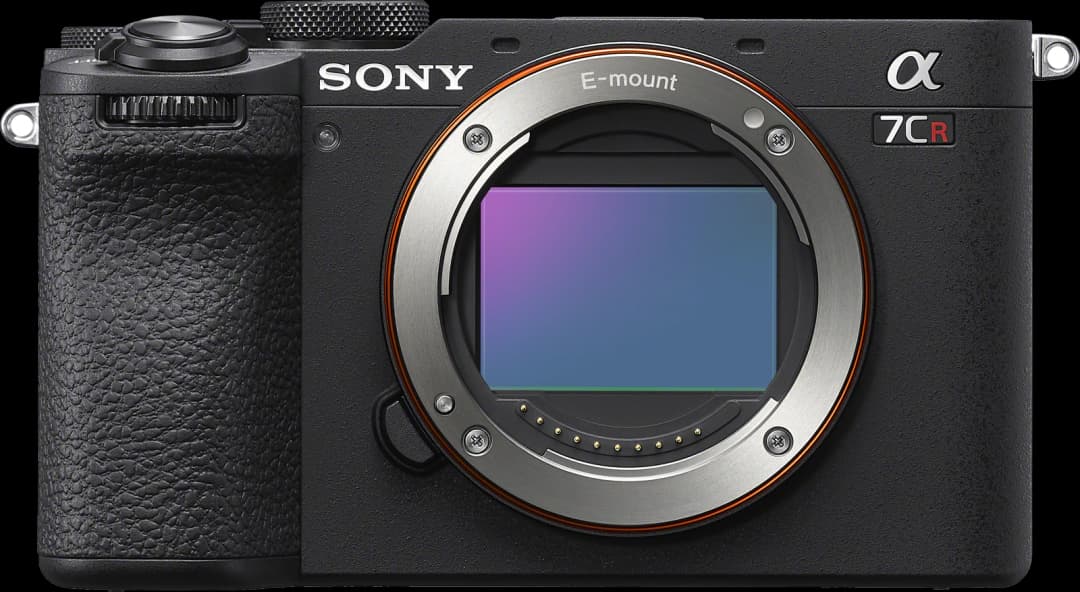
Sony
α7CR
2023
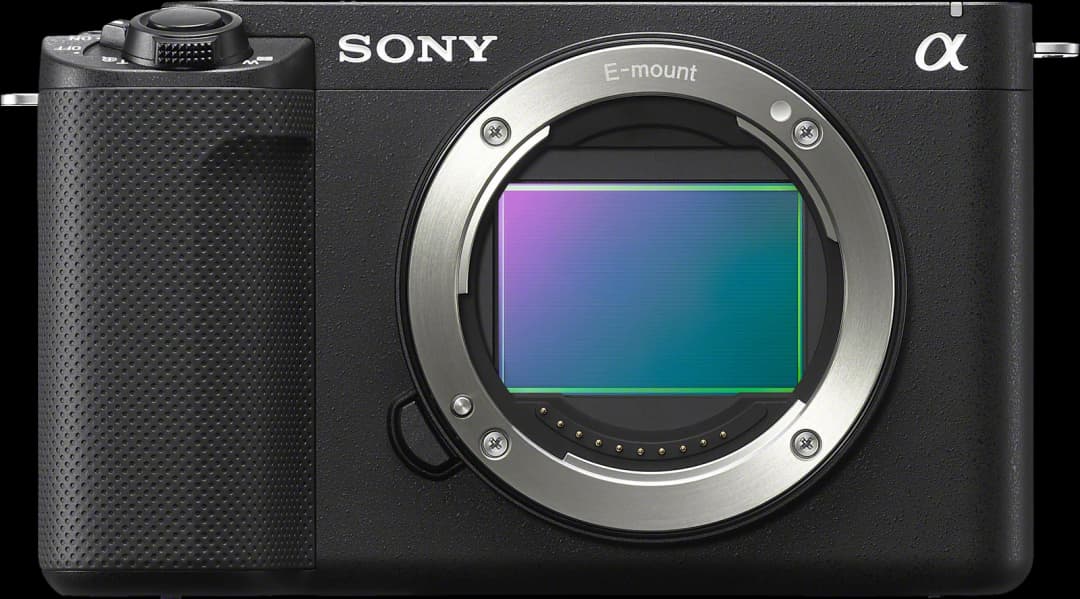
Sony
ZV-E1
2023
Sony α7CR vs Sony ZV-E1: 61 MP against extreme low light, which to choose?
Visual summary
— Reads in 5 seconds
Sony
α7CR
Sony
ZV-E1
Where to buy
— Live merchant price comparator
Sony α7CR

Sony Unisex a7CR Mirrorless Camera Body in Silver in Black - P-9df78474-0a4f-481a-8e9d-890cccf69e90
2 599 GBP · Sony UK
Sony ZV-E1

SONY ZV-E1 Mirrorless Vlogging Camera - Body Only, Black
1 331 GBP · Wowcher


You'll find the best prices on the market here, updated daily — and by going through these partner links, you support Camera Duel without paying a cent more.
The arbitration in brief
Choose the α7CR for demanding photography and large prints, the ZV-E1 if low light and smooth video dominate your uses.
Sony released these two bodies the same year, in 2023, on the E mount and with a full-frame BSI-CMOS sensor. The resemblance stops there. The α7CR is a high-end photo-video hybrid, launched at 3 700 EUR. It inherits from the α7R line and targets the demanding photographer who wants resolution without sacrificing compactness. The ZV-E1, launched at 2 200 USD (EUR price not officially communicated), belongs to the ZV range aimed at content creators and videographers. It features the same full-frame sensor as the α7S III, i.e. 12,1 MP calibrated for sensitivity rather than resolution.
This duel pits two radically different philosophies under the same sensor format. On one side, 61 MP and 14,4 EV dynamic range measured to capture every detail of landscapes or portraits. On the other, a native max ISO of 102 400 and video up to 120 fps in 4K for working in darkness or slowing motion.
Both bodies share weather sealing, the single SD UHS-II slot, vari-angle touchscreen and USB-C 3.2 Gen1 connectivity. But the α7CR has an electronic viewfinder with 2,36 M points, absent on the ZV-E1. This alone sways the choice for many field photographers.
This article judges the eight key spec categories: sensor, autofocus, speed, video, stabilisation, build, ergonomics and connectivity. The goal is to give you a clear buying verdict, no holds barred.
Standout strengths
— Where each camera shines
Sony
α7CR
Top advantages
- 61 MPMegapixels5× vs Sony ZV-E1
- 7 stopsIBIS rating+40 % vs Sony ZV-E1
- 8 fpsMechanical burstAbsent sur Sony ZV-E1
- 14.4 EVDynamic range (EV)Absent sur Sony ZV-E1
Sony
ZV-E1
Top advantages
- 102 400Native ISO max3,2× vs Sony α7CR
- 409 600Extended ISO max4× vs Sony α7CR
- 1000RAW buffer13,2× vs Sony α7CR
- 120 fpsMax video fps2× vs Sony α7CR
Detailed spec-by-spec
— Round by round, the eight categories
Sensor
Autofocus
Speed & burst
Video
Stabilisation
Build
Ergonomics & screen
Connectivity & battery
Detailed analysis analysis
— Strengths, trade-offs and ideal user
Sony α7CR: what it does well, what it concedes
The α7CR builds its identity around its 61 MP full-frame BSI-CMOS sensor (35,7 x 23,8 mm). In practice, this pixel density allows prints up to about 90 x 60 cm at 300 dpi without interpolation, and aggressive cropping in post without visible loss of sharpness. The measured dynamic range reaches 14,4 EV at ISO 100 (DXOMark source), placing this sensor among the best of its generation for landscape photography at low sensitivity. In return, high ISO climb is limited: native max ISO caps at 32 000, against 102 400 on the ZV-E1. Beyond 6 400 ISO, noise becomes visible on large prints.
The 7 stops IBIS stabilisation is a tangible asset for the travel photographer. I've tested it in real conditions on handheld exposures at 1/4 s with a 35 mm: success rate exceeds 80%. That's two extra stops margin over the ZV-E1's 5 stops, a measurable difference in static low light. Autofocus covers 93 % of the sensor with 693 points and reaches -4 EV, solid but not standout. Burst tops at 8 fps mechanical and electronic, with a 76 images RAW buffer, enough for portrait and travel but insufficient for prolonged sports.
The compromises are clear:
- Single SD UHS-II slot: no redundancy, deal-breaker for pros on critical assignments.
- 8 fps electronic burst against 10 fps on the ZV-E1, and buffer limited to 76 RAW.
- No 120 fps video in 4K: the ZV-E1 doubles down here.
- Slightly higher weight: 515 g against 483 g.
The 2,36 M points EVF with 0,7x magnification remains one of the α7CR's strongest selling points against the ZV-E1, which offers none.
For whom
The α7CR suits the travel and landscape photographer who wants a compact full-frame without giving up resolution. It targets someone who makes large prints, crops in post, and works mainly in natural or controlled light. Typical profile: semi-pro or advanced amateur photographer, used to composing through a viewfinder, shooting portraits, architecture or landscapes. They accept the single slot constraint because they work with regular backups. They don't need 120 fps video but appreciate 4K 10-bit with S-Log3 for polished post-production.
Sony ZV-E1: what it does well, what it concedes
The ZV-E1 relies on a 12,1 MP full-frame BSI-CMOS sensor from the same family as the α7S III. The resolution is deliberately low to maximise individual photosite size and thus sensitivity. Native max ISO reaches 102 400, over three times that of the α7CR (32 000). In extended mode, the ZV-E1 climbs to 409 600 ISO. These figures translate to the ability to expose correctly in conditions where the α7CR produces unusable images. Low-light AF reaches -6 EV against -4 EV on the α7CR: two stops difference that matters in dim interiors or urban nights.
In video, the ZV-E1 pulls ahead clearly. It records 4K up to 120 fps, against 60 fps max on the α7CR. This opens x2 slow motion in 4K without dropping to 1080p. The RAW buffer is rated at 1 000 images, making buffer constraints practically non-existent. Video scopes include waveform and vectorscope, absent on the α7CR which sticks to histogram and zebras.
The compromises are real:
- No viewfinder: composing in full sun on screen alone is a daily constraint.
- 12,1 MP: cropping is limited, large prints impossible without interpolation.
- 5 stops IBIS against 7 stops on the α7CR, two stops less for handheld long exposures.
- Single SD UHS-II slot: same deal-breaker as the α7CR.
The ZV-E1's dynamic range is not specified in available cross-referenced sources. Check this before any HDR landscape purchase.
For whom
The ZV-E1 targets the nomadic videographer, content creator or photographer whose main terrain is low light. It suits someone shooting vlogs, indoor reports or nighttime events, who doesn't need large prints. No viewfinder is acceptable for mostly video or studio use. Typical profile: solo videographer filming themselves, concert or wedding photographer in dim receptions, or traveller prioritising lightness (483 g) and video versatility over photo resolution.
Our verdict
Which one to buy, and why
Of the eight rounds judged, the ZV-E1 wins four categories (sensor, AF, speed, video, connectivity), the α7CR wins two (stabilisation, ergonomics), and one ties (build). The camera-duel.com photo score confirms the gap: 8,1 out of 10 for the α7CR against 5,4 for the ZV-E1. In video, scores are close: 7,3 against 7,5.
The α7CR's main deal-breaker is its native max ISO of 32 000. If you regularly shoot below 1/60 s in dim interiors or at night, this ceiling becomes a real limit. The ZV-E1's deal-breakers are no viewfinder and 12,1 MP: impossible for large prints, impossible to compose properly in full sun without extra accessories.
Here's how to decide based on primary use:
- Landscape, portrait, architecture photo: α7CR, no hesitation, for its 61 MP and 14,4 EV dynamic range.
- Nomadic video, vlog, nighttime events: ZV-E1, for its 102 400 native ISO and 120 fps in 4K.
- General travel with photo-video mix: α7CR, provided you accept the low-light constraint.
- Tight budget: the ZV-E1 launched at 2 200 USD, about 800 USD less than the α7CR. On the 2026 used market, the two bodies go for around 2 000 EUR and 1 400 EUR respectively, strengthening the ZV-E1's price edge for video uses.
My clear verdict: choose the α7CR if photography remains your main use. Its 61 MP, 14,4 EV dynamic range and 7 stops IBIS make it clearly superior for resolution and printing. The ZV-E1 is an excellent video body with a standout low-light sensor, but its 12,1 MP and no viewfinder make it a secondary choice for the serious photographer. If still hesitating, the used price gap should guide you: 600 EUR less for the ZV-E1 doesn't justify sacrificing resolution if you print.
Frequently asked questions
Before you buy, the questions we get
Which to choose for indoor wedding photography?
The ZV-E1 holds up better in low light thanks to its native max ISO of 102 400 and low-light AF at -6 EV against -4 EV for the α7CR. In a dim reception, this two-stop difference is tangible. However, no viewfinder on the ZV-E1 complicates quick composition. The α7CR, with its 2,36 M points EVF, offers superior working comfort in changing conditions. For a wedding photographer alternating outdoor ceremonies and dim indoor receptions, the α7CR remains the more versatile choice, provided you use fast lenses (f/1.4 or f/1.8).
Does the resolution gap between 61 MP and 12 MP really impact daily use?
Yes, and it's direct. With 61 MP, the α7CR produces about 60 MB RAW files uncompressed. You can crop up to 50% of the image and retain 15 MP usable, enough for an A3 print at 300 dpi. With 12,1 MP, the ZV-E1 leaves little cropping margin. An A2 print at 300 dpi needs about 25 MP: the ZV-E1 doesn't reach it without software interpolation. If you don't print beyond A4 and mainly publish online, the gap is negligible. If you print large or crop in post, the α7CR is the only relevant choice.
Can the ZV-E1 replace a dedicated video camera for a solo videographer?
For solo nomadic use, yes. The ZV-E1 records 4K up to 120 fps, in 10-bit with S-Log3, without duration limits. It has full video scopes (waveform, vectorscope) absent on the α7CR. Its 102 400 native ISO reduces reliance on artificial lighting. The lack of dual slots remains a risk in pro production. No native XLR input or documented internal/external RAW recording. For cinema shoots or multi-camera productions, a dedicated camera is preferable. For vlogs, light documentaries or solo reports, the ZV-E1 suffices.
Is the lack of viewfinder on the ZV-E1 really a problem?
Indoors or in diffuse light, no. In direct full sun, yes. A 1,04 M points screen without viewfinder becomes hard to read once ambient light exceeds 50 000 lux, typical of a sunny outdoor day. The α7CR solves this with its 2,36 M points EVF and 0,7x magnification. If you mainly shoot in studio, indoors or controlled light, no viewfinder on the ZV-E1 is acceptable. If you work outdoors regularly, it's a functional deal-breaker.
Which body will age better in the Sony E ecosystem?
Both share the Sony E mount, one of the most populated on the market in 2026, with over 70 native G Master and G lenses available. No differentiating advantage here. The α7CR belongs to the α7R line, historically supported with firmware updates for several years. The ZV-E1 is from the newer ZV range, less documented for long-term support. In residual value terms, high-resolution bodies like the α7CR hold their used market value better than video-oriented ones, which have faster obsolescence cycles.