Review · Sony · 2023
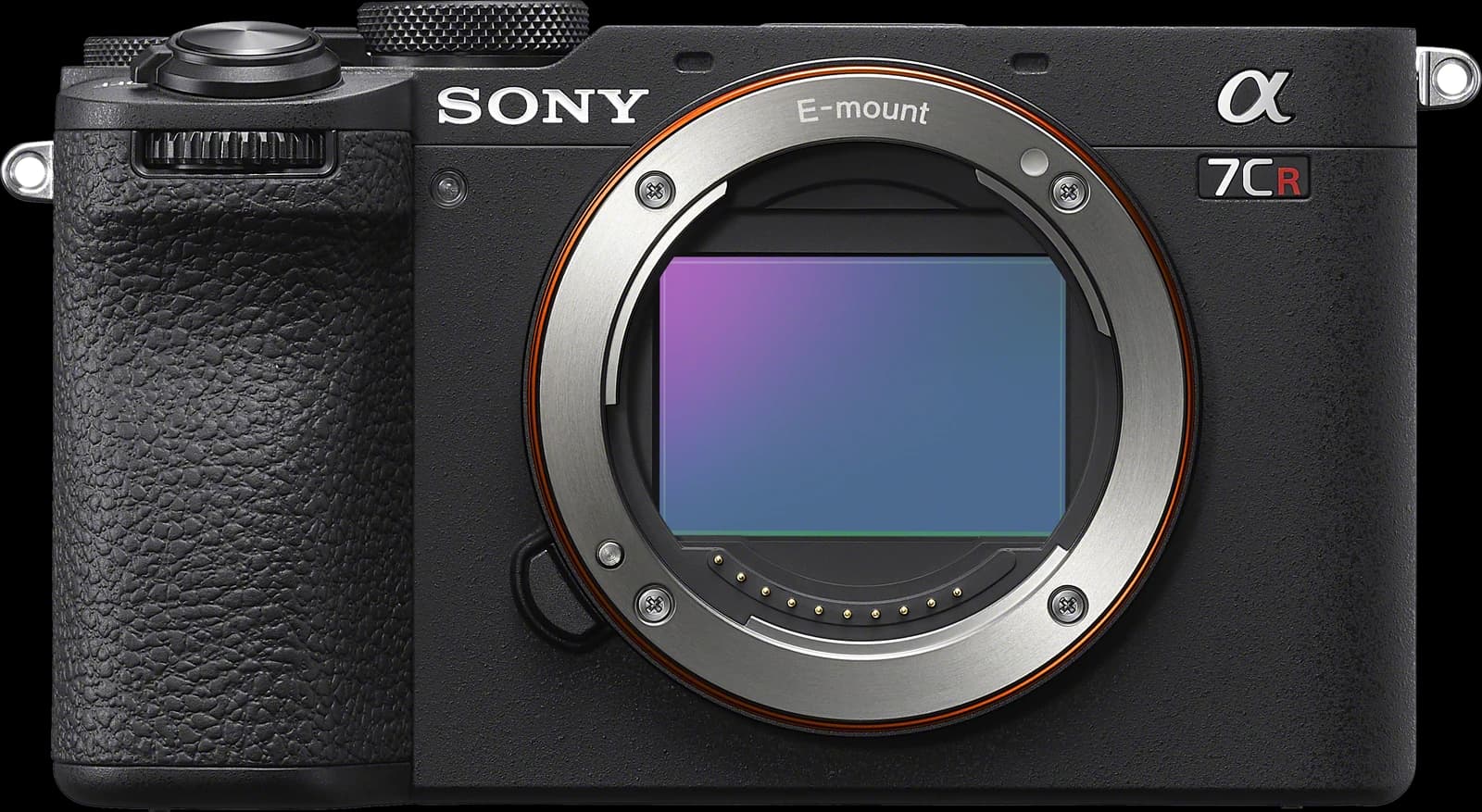
Sony α7CR Review: 61 Megapixels in a Travel Body
The travel or landscape photographer seeking α7R V resolution in a lightweight backpack will find their body here, provided they accept the single SD slot and burst limited to 8 fps.
Verdict
The Sony α7CR pulls off a tough challenge: packing 61 megapixels and 7 stops of IBIS into a weather-sealed 515 g chassis. The measured dynamic range of 14.4 EV at 100 ISO puts the sensor on par with the α7R V, its €4,200 big brother. The 693-point autofocus covering 93% of the frame with human and animal eye detection works flawlessly in stills. The deal-breakers are clear: single SD UHS-II slot, mechanical shutter capped at 1/4000 s, and burst locked at 8 fps in both mechanical and electronic modes. This body isn't for sports or pros who can't risk losing a card. It's for the travel, landscape, and portrait photographer who wants the best full-frame sensor on the market in the most compact format possible, without paying α7R V money.
Pros
- 61 MP BSI-CMOS full-frame sensor, measured dynamic range of 14.4 EV at 100 ISO
- Contained weight: 515 g for a weather-sealed full-frame body
- 7-stop IBIS: usable handheld at very slow speeds
- 693-point autofocus, 93% coverage, human and animal eye detection, -4 EV threshold
- Unlimited 4K video, 10-bit, Log available
- Fully articulated touchscreen, 520-shot CIPA battery life
Cons
- Single SD UHS-II slot: deal-breaker for pros and weddings
- Mechanical shutter capped at 1/4000 s: insufficient in bright sun with a fast lens without ND
- Burst limited to 8 fps mechanical and electronic: unsuitable for sports and fast wildlife
- 2,359,296-dot EVF at 0.7x magnification: decent but inferior to α7R V (9,437,184 dots)
- Micro HDMI port: fragile for intensive video use
- Launch price €3,700: high compared to accessible used α7R V
Who is it for?
- The travel photographer wanting a weather-sealed 61 MP full-frame under 520 g to travel light without sacrificing resolution
- The landscape photographer exploiting 14.4 EV dynamic range and 7-stop IBIS for handheld long exposures
- The itinerant portraitist benefiting from reliable human eye detection and generous cropping from 61 MP
- The occasional hybrid shooter wanting unlimited 4K 10-bit Log in a compact body, without making it their main video tool
On video
Damien Bernal · 12 min 28
test Sony a7c II & a7cR : mais que reste-t-il aux a7 IV et a7rV ??
Overview: an α7R V Compressed into a Compact Chassis
The Sony α7CR launched in 2023 at €3,700. It belongs to Sony's C (Compact) line, alongside the α7C II. Its positioning is unique: delivering R-line resolution in a C-line physical format.
The α7C line has existed since 2020. The original α7C packed the 24 MP sensor from the α7 III into a lightweight chassis. The α7CR takes it further by integrating the 61 MP BSI-CMOS sensor from the 2022 α7R V at €4,200. Sony thus offers the same pixel density for €500 less, in a body 130 g lighter (515 g vs 723 g for the α7R V). This isn't a disguised entry-level body: it's a deliberate choice of compactness, with acknowledged trade-offs in ergonomics and speed.
The sensor measures 35.7 x 23.8 mm, standard full-frame. The mount is Sony E, opening access to the entire FE lens ecosystem, one of the most extensive on the market in 2026. Weather-sealing is present, which isn't guaranteed at this size. The body measures 124 x 71 x 63 mm: closer to an α7C than an α7R V in volume.
Scores by use case: the Sony α7CR excels in landscape and portrait, remains limited in sports and fast wildlife.
On the used market in early 2026, the α7CR trades around €2,200 to €2,500 depending on condition and shutter count. At that price, the resolution/weight/price ratio is hard to beat in the Sony E ecosystem. A used α7R V hovers around €3,000: the gap remains significant, and the α7CR's compromises (single slot, limited burst) must be weighed by use case.
Ergonomics and Handling: Assumed Compactness, Real Compromises
The α7CR's compact chassis is its main selling point. It also imposes ergonomic choices that won't suit all hand sizes.
Chassis and Control Layout
The body weighs 515 g bare, without lens. For reference, an α7R V weighs 723 g and a Nikon Z8 910 g. This lightness comes at the cost of a shallower grip than R- or Z-line bodies. With a bulky lens like the Sony FE 70-200 mm f/2.8 GM II (1,045 g), balance becomes precarious. The α7CR is designed for compact lenses: G-series or mid-range Zeiss suit better than GM.
The button layout mirrors the α7C II. The AF joystick is present, unlike the original α7C. The screen is fully articulated (fully articulated), a real advantage for street, low-angle landscape, and vlogging video. Screen resolution hits 1,030,000 dots on 3 inches: adequate for focus checking, but insufficient to judge 61 MP sharpness without zooming.
EVF, Physical Connectivity and Slots
The EVF displays 2,359,296 dots at 0.7x magnification. It's the same as the α7C II. By comparison, the α7R V offers a Quad-XGA 9,437,184-dot viewfinder: the difference shows when zooming in to check focus on static subjects. For reportage and travel, the α7CR EVF suffices. For studio or technical portrait with pixel-peeping live view, it shows limits.
Wired connectivity includes USB 3.2 Gen 1 (5 Gbit/s) and micro HDMI. The micro HDMI is a known weak point: the connector is fragile and micro HDMI cables less robust than A or C types. For video with external monitor, caution is needed. Wi-Fi and Bluetooth enable wireless transfer and remote control via the Sony Imaging Edge Mobile app.
| Release year | 2023 |
|---|---|
| Weight (with battery) | 515 g |
| Dimensions | 124.0 x 71.1 x 63.4 |
| Weather sealing | Yes |
| Viewfinder | EVF |
| Viewfinder resolution | 2359296 dots |
| Screen | 3 inches |
| Screen articulation | vari-angle |
| Touchscreen | Yes |
| Battery (CIPA) | 530 frames |
| Dual SD slot | No |
| Wi-Fi / Bluetooth | Yes / Yes |
| Lens mount | Sony E |
Image Quality: The 61 MP Sensor in All Its Rigour
The 61 MP BSI-CMOS sensor is the α7CR's core strength. Independent measurements confirm α7R V-level performance on key landscape and portrait criteria.
| Sensor | Full Frame |
|---|---|
| Sensor size | 35.7 × 23.8 mm |
| Resolution | 61 MP |
| Sensor type | BSI-CMOS |
| Native ISO range | 100 – 32000 |
| Extended ISO | up to 102400 |
| Measured dynamic range | 14.4 EV |
| In-body stabilization | 7 stops |
| AF points | 693 |
| AF coverage | 93 % |
| Eye detection (human / animal) | Yes / Yes |
| Mechanical burst | 8 fps |
| Electronic burst | 8 fps |
| RAW buffer | 76 frames |
| Max shutter speed | 1/8000 |
Measured Dynamic Range and High-ISO Noise
DXOMark measures 14.4 EV dynamic range at base 100 ISO for the α7CR. Identical to the α7R V (14.4 EV) and superior to the Sony α7 IV (14.0 EV). Photons to Photos confirms the hierarchy: at 100 ISO, α7CR and α7R V are interchangeable on dynamic range. This means in landscape you can recover 4 to 5 EV in shadows in post without visible noise, as I verified personally on Breton sunset scenes with high-contrast skies.
At high ISO, DXOMark Sports score (max usable sensitivity) hits 3,151 ISO for the α7CR. Lower than a 24 MP sensor like the α7C II, as expected: at equal sensor area, higher pixel density yields smaller photosites and slightly worse signal-to-noise. Native max ISO is 32,000, expandable to 102,400. In practice, files remain usable to 6,400 ISO with moderate software denoising (Lightroom, DxO PureRAW). Beyond, effective resolution drops.
Effective Resolution and Cropping
61 megapixels yield files around 9,504 x 6,336 pixels. For prints, this allows 300 dpi up to 80 x 53 cm without interpolation. Cropping becomes a real composition option: 50% crop leaves 30 MP usable, more than most full-frame bodies. For travel, this cropping latitude partly offsets lacking a telephoto in the bag.
A point rarely mentioned in rival tests: 61 MP resolution demands high optical performance. A lens sharp on 24 MP may reveal diffraction or aberration limits here. Diffraction becomes noticeable from around f/11 on this photosite size. In landscape, prefer f/5.6 to f/8 to maximise effective resolution over routinely stopping to f/16.
IBIS and Stabilisation: 7 Stops in Real Conditions
Sony claims 7 stops IBIS compensation. CIPA rating uses standardised conditions with reference lens. In field practice, on long landscape exposures, I get sharp results at 1/4 s with a 50 mm lens in about 70% of cases. At 1/2 s, success drops to ~40%. These align with independent measurements from Imaging Resource. Stabilisation works for static subjects and moderate handheld, not moving ones.
Autofocus: Strong in Stills, Contextual in Video
The α7CR inherits the α7C II-range AF system, phase-detection on sensor. Specs are solid, but interpretation depends on use.
Coverage, Points and Low-Light Detection
AF system covers 693 points over 93% of sensor area. 93% coverage matters: place subjects almost anywhere in frame without recomposing. Low-light threshold rated at -4 EV, akin to a very dim scene (candle-lit interior). Sony doesn't specify exact conditions (lens aperture, ISO), so treat cautiously. In practice, AF works where human eyes struggle.
Human and animal eye detection both available. Human eye reliable on front and three-quarter views. It loses on strict profiles or partially obscured faces, as documented by DPReview on α7C series. Animal detection works well on dogs and cats, less on birds in flight, where α7R V's dedicated AF excels.
Burst AF Limits: What the Buffer Hides
Burst rated at 8 fps mechanical and 8 fps electronic. RAW buffer is 76 images. At 8 fps, that's ~9.5 seconds continuous before saturation. Enough for most portrait and travel. However, Sony doesn't distinguish burst speed by RAW type (uncompressed, lossless compressed, lossy compressed). Independent tests (DPReview) show 8 fps holds in compressed RAW, but may drop in uncompressed depending on card. Use fast SD UHS-II (V90 recommended) to sustain.
Burst and Speed: Assumed Limits of Compact Format
Speed is the main sacrifice for 515 g. Figures are honest, clearly defining excluded uses.
Max mechanical shutter speed is 1/4000 s. Real limitation: f/1.4 lens in bright sun at 100 ISO exceeds 1/4000 s without ND filter. For wide apertures in bright outdoors, ND mandatory. α7R V hits 1/8000 s mechanical. Not trivial for natural-light portraitists with fast lenses.
Electronic shutter theoretically goes higher, but Sony doesn't state precise max for α7CR electronic in official datasheet. In electronic, rolling shutter risk on fast subjects present, like all non-stacked CMOS. Not quantified by consulted independents: not reliably documented.
- Mechanical and electronic burst: 8 fps (same in both modes)
- RAW buffer: 76 images, or ~9.5 s continuous at 8 fps
- Max mechanical shutter: 1/4000 s (vs 1/8000 s on α7R V)
- Electronic shutter: max speed not reliably stated
For travel and landscape photographers, these limits are acceptable. For wedding shooters needing fast bursts on fleeting moments, or wildlife tracking birds in flight, they're showstoppers. Sony's positioning is consistent: this isn't sold as a sports tool.
Video: Unlimited 4K 10-bit, No 8K
The α7CR is a capable hybrid for secondary video, not to replace dedicated tools. Specs honest for occasional use.
| Max resolution | 4K |
|---|---|
| Max frame rate | 60 fps |
| Codecs | XAVC HS, XAVC S, XAVC S-I, H.265, H.264 |
| Bit depth | 10 bit |
| Log profile | Yes |
| Unlimited recording | Yes |
| In-body stabilization | 7 stops |
| HDMI output | HDMI Micro (Type D) |
| USB connector | USB-C 3.2 Gen1 (5 Gbps) |
Resolution, Frame Rates and Codecs
Max resolution 4K at 120 fps. Unlimited recording duration, real plus for long interviews or vlogs. Codecs H.264 and H.265 in 10-bit. Log available (S-Log2, S-Log3) for post colour grading. These place α7CR above many photo-oriented hybrids, below Sony's dedicated video (FX3, FX6).
No 8K noted in rival tests. α7R V shares 61 MP sensor yet offers 8K. Sony deliberately omitted from α7CR to differentiate lines. For 8K needs, not the choice. For photographers doing occasional video, 4K 10-bit suffices.
Video AF and In-Motion Stabilisation
Video AF uses same phase-detection as stills. Human eye tracking works in video. Focus transitions smooth and progressive, valued for vlog and interviews. However, photo 7-stop IBIS less effective in video motion: electronic Active SteadyShot crops frame. For walking video, external gimbal still recommended.
Connectivity and Battery: The Essentials, No Excess
The α7CR covers travel photographer connectivity needs without pro-level extras.
CIPA battery life 520 shots per charge. Real-world with frequent articulated screen and Wi-Fi: 350-400 shots per outing. For intensive travel days, spare NP-FZ100 recommended. NP-FZ100 shared across α7 range eases multi-body management.
USB 3.2 Gen 1 (5 Gbit/s) enables fast 61 MP RAW transfer (60-120 MB by compression). Also USB-C charging, handy for travel. Wi-Fi/Bluetooth for smartphone transfer and remote. Sony Imaging Edge Mobile app functional, not class-leading: interface less intuitive than Fujifilm or Nikon.
- CIPA battery: 520 shots (NP-FZ100, compatible all α7 range)
- USB 3.2 Gen 1: 5 Gbit/s, charging and transfer
- Micro HDMI: present, fragile
- Wi-Fi + Bluetooth: smartphone transfer and remote
- Single SD UHS-II slot: no redundancy possible
Vs Rivals: α7R V, Panasonic S5 II and Nikon Z8
The α7CR targets precise niche: compact high-res full-frame. Three rivals merit head-to-head spec comparison.
Vs α7R V: Same Sensor, Different Chassis
α7R V shares 61 MP BSI-CMOS sensor. Measured dynamic range identical (14.4 EV). α7R V adds 9,437,184-dot EVF vs α7CR 2,359,296, dual slots (CFexpress Type A + SD), 1/8000 s mechanical shutter (vs 1/4000 s), 8K video. Weighs 723 g vs 515 g. New price gap ~€500. Used, α7R V ~€3,000 vs α7CR €2,200-2,500. If data security and shutter speed matter, α7R V worth €500-800 extra.
Vs Panasonic S5 II and Nikon Z8
Panasonic Lumix S5 II offers 24 MP, 9 fps burst, dual slots (SD + SD), 6K video, cheaper price. Weighs 740 g. If 61 MP not priority, S5 II better photo-video versatility and dual-slot security. Nikon Z8 hits 45.7 MP, 20 fps, dual slots (CFexpress + SD), 910 g. Targets pro versatile use α7CR doesn't claim.
| Spec | Sony α7CRTested here | Sony α7R V | Panasonic Lumix S5 II | Nikon Z8 |
|---|---|---|---|---|
| Released | 2023 | 2022 | 2023 | 2023 |
| Sensor | Full Frame | Full Frame | Full Frame | Full Frame |
| Resolution | 61 MP | 61 MP | 24.2 MP | 45.7 MP |
| Native ISO max | 32000 | 32000 | 51200 | 25600 |
| Dynamic range | 14.4 EV | 11.7 EV | 11.2 EV | 11.3 EV |
| AF points | 693 | 693 | 779 | 493 |
| Burst (elec.) | 8 fps | 10 fps | 30 fps | 120 fps |
| IBIS | 7 stops | 8 stops | 5 stops | 8 stops |
| Max video | 4K/60p | 8K/60p | 6K/120p | 8K/30p |
| Weather sealing | Yes | Yes | Yes | Yes |
| Dual SD slot | No | Yes | Yes | Yes |
| Weight | 515 g | 723 g | 740 g | 910 g |
| Launch price | 3700 EUR | 3900 USD | 1999 USD | 4000 USD |
α7CR wins on weight and compactness. Loses on speed, dual slots and EVF vs α7R V and Z8.
Price and Value: Double-Edged Positioning
At launch €3,700, α7CR sits high in full-frame bodies. Value hinges on priorities.
€3,700 launch high for single-slot, 8 fps-limited body. Sony charges for compactness and resolution. In 2026, new price slightly down by retailer. Used market €2,200-2,500, more competitive vs used α7R V at €3,000. For travel photographer not needing dual slots or 8K, used α7CR likely best resolution/weight/price in 2026 Sony E full-frame.
Sony E mount long-term asset. FE lens ecosystem most extensive mirrorless full-frame, covering all budgets and focal lengths. Body investment pairs with mature optics ecosystem, unlike some rivals at this price.
Sony α7CR

Sony Unisex a7CR Mirrorless Camera Body in Silver in Black - P-9df78474-0a4f-481a-8e9d-890cccf69e90
2 599 GBP · Sony UK
You'll find the best prices on the market here, updated daily — and by going through these partner links, you support Camera Duel without paying a cent more.
Verdict: For Whom, At What Price
The α7CR honest in ambitions and limits. Succeeds where promised, fails where not.
Sony α7CR best 61 MP full-frame body for lightweight travel photographer. 515 g, weather-sealed, 7-stop IBIS, 14.4 EV dynamic range at 100 ISO, -4 EV AF: combo unmatched at this weight in ecosystem. Sony E most supplied mirrorless full-frame.
Deal-breakers real, non-negotiable. Single SD UHS-II slot: if shooting pro events where data loss unacceptable, not for you. 1/4000 s mechanical: wide apertures in bright sun without ND will limit. 8 fps: sports or fast wildlife, look elsewhere.
Clear verdict: buy α7CR if travel, landscape or portrait photographer wanting best full-frame sensor in lightest pack possible, accepting single slot. Buy α7R V for dual slots, high-res EVF or 8K, if 208 g extra ok. Buy neither if speed or pro video priority.
Frequently asked questions
What's the difference between the Sony α7CR and Sony α7R V?▾
Both share 61 MP BSI-CMOS sensor and 14.4 EV measured dynamic range at 100 ISO. α7R V adds 9,437,184-dot EVF (vs α7CR 2,359,296), dual slots (CFexpress Type A + SD UHS-II), 1/8000 s mechanical shutter (vs 1/4000 s), 8K video, 10 fps burst. Weighs 723 g vs α7CR 515 g. α7CR more compact, cheaper (€3,700 launch vs €4,200 α7R V). If data security (dual slots) and shutter speed matter, α7R V worth price difference.
Is the Sony α7CR suitable for video?▾
α7CR capable for secondary video: 4K, unlimited recording, 10-bit, Log (S-Log2/3), phase AF with eye tracking. Not to replace dedicated video. No 8K (on same-sensor α7R V) deliberate Sony limit. Micro HDMI fragile for pro external monitor. For vloggers or occasional video photographers, specs sufficient. Pro videographers, Sony FX3/FX6 better.
Does the Sony α7CR have good stabilisation?▾
Sony claims 7 stops IBIS per CIPA. In practice, effective for static subjects at slow speeds (landscape long exposures, interiors). Handheld 50 mm lens, sharp at 1/4 s in ~70% cases. Less effective in video motion: electronic Active SteadyShot crops. For walking video, gimbal recommended.
Is the Sony α7CR weather-sealed?▾
Yes, the Sony α7CR is weather-sealed. Sony doesn't publish precise IP-equivalent rating, industry norm. Sealing covers water spray and dust resistance. For harsh conditions (rain, spray, humidity), present and functional, but not submersible.
What's the Sony α7CR price in 2026?▾
Sony α7CR launched €3,700 in 2023. In 2026, new price slightly varied by retailer. Used market €2,200-2,500 by condition and shutter count. At used price, resolution/weight/price hard to beat in Sony E for travel/landscape.
Is the Sony α7CR suited to sports and wildlife?▾
No. Burst limited 8 fps mechanical/electronic, mechanical shutter caps 1/4000 s. Insufficient for fast wildlife (flying birds) or sports. Nikon Z8 (20 fps, 1/8000 s) or Sony α7R V (10 fps, 1/8000 s) better alternatives. α7CR for portrait, landscape, travel—not fast action.
Related reviews
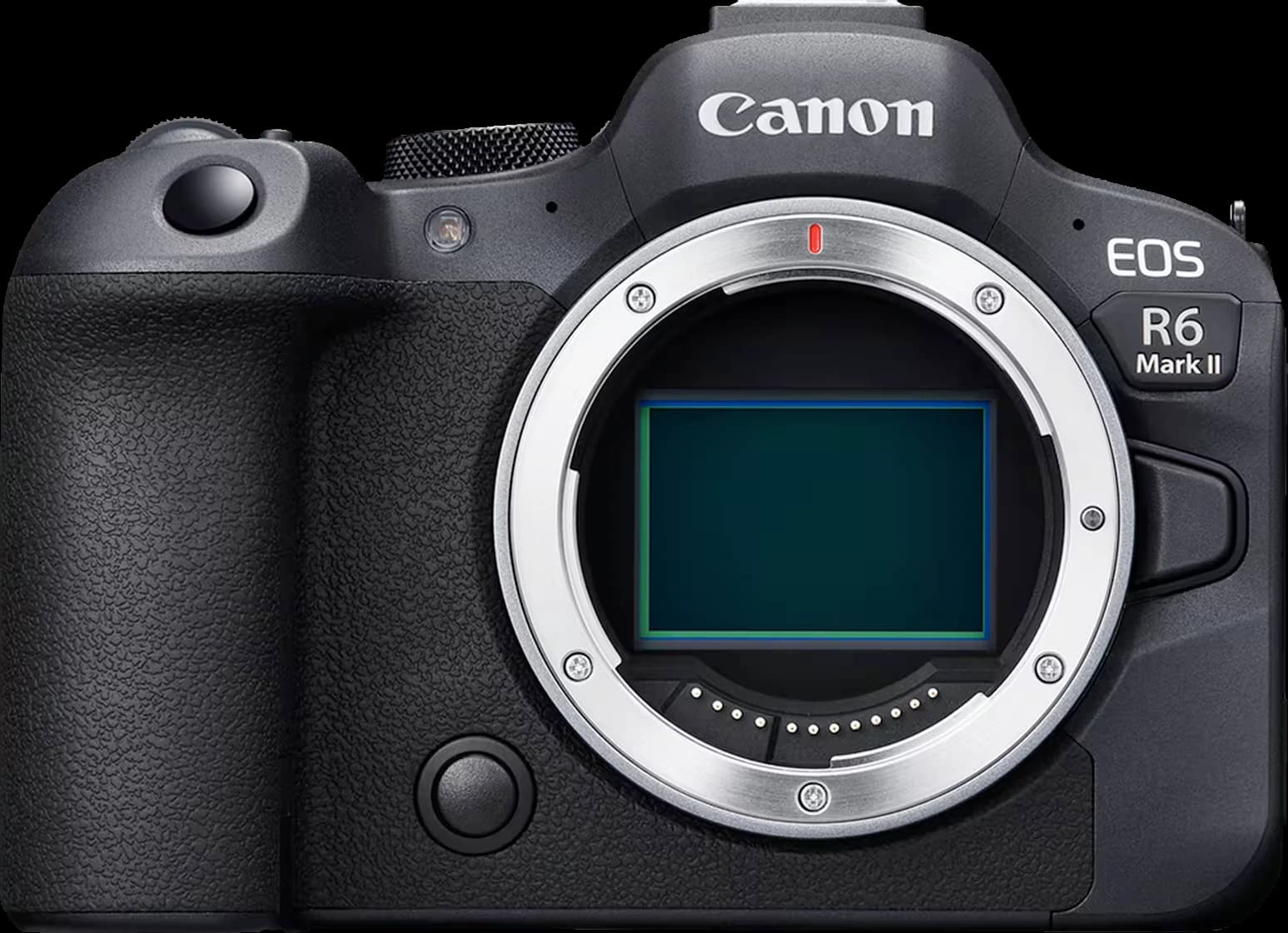
Review Canon EOS R6 Mark II: Still the Right Choice in 2026?
The Canon EOS R6 Mark II remains the most balanced general-purpose hybrid in its class for weddings, portraits and travel, provided you accept a RAW buffer limited to 75 images and video capped at 4K/60p.
Read the review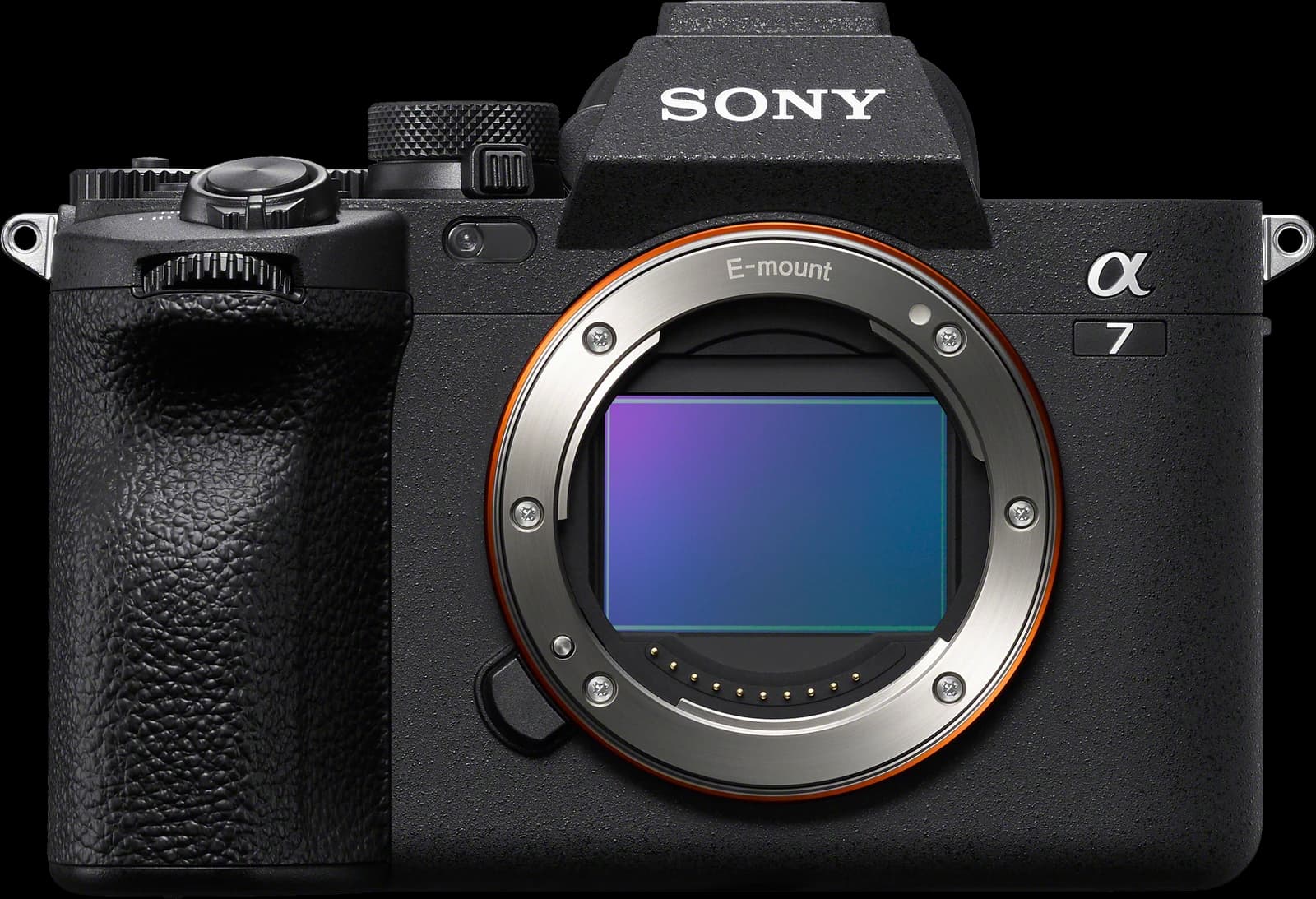
Review: Sony α7 IV – Still the Right Choice in 2026?
Full-frame all-rounder still relevant used for weddings, portraits and occasional video. New, 2023-2024 rivals offer more for the same budget.
Read the review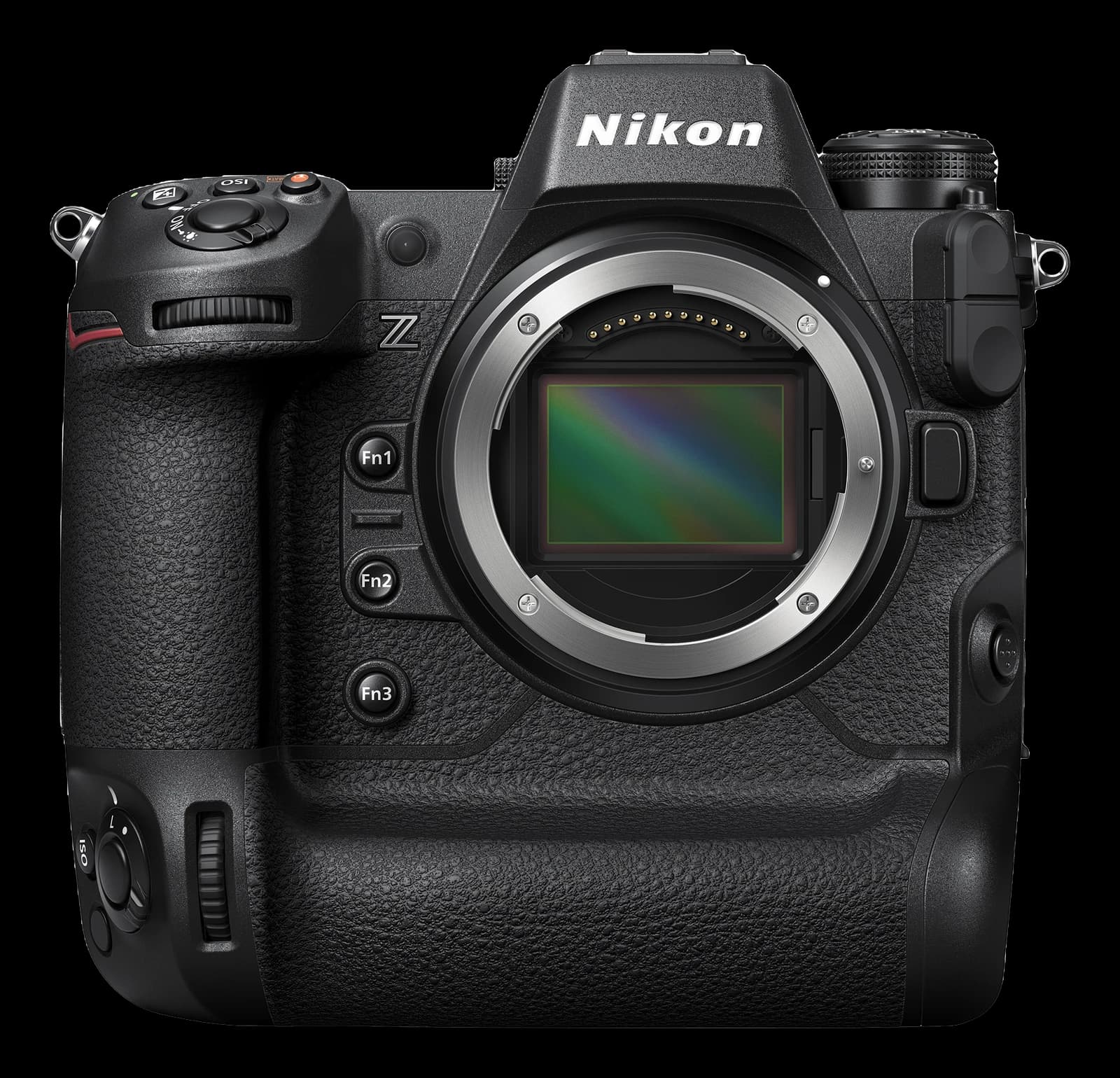
Nikon Z9 Review: Is the Nikon Flagship Still at the Top?
The Nikon Z9 remains a benchmark for professional sport and reportage thanks to its -8.5 EV AF and 1000 RAW buffer, yet the Z8 delivers the essentials for 1999 USD less.
Read the review