3-question method to choose your camera
Before comparing specs, three filters eliminate poor choices. Use case determines the body family. Budget sets the real ceiling. Weight decides if you take the camera or not.
- 01
Your dominant use case
Use case is the most discriminating filter. A body excellent for portrait is often unsuited to sport.
Here is what each use case demands concretely:
- Portrait: f/1.4 to f/1.8 aperture, reliable eye detection, 45 MP for cropping in editing.
- Sport and wildlife: burst 20 images/s minimum, predictive AF, 200+ RAW buffer.
- Landscape: tripod, 60 MP+ useful for prints 60 cm and up, dynamic range 14 EV measured.
- Travel: weight under 700 g body only, focal versatility, battery life 300 shots minimum.
- Video: 4K 60p uncropped, internal log, active or passive cooling declared.
- Street: discretion, silent electronic shutter, compact body.
If you practise two use cases, choose the most technically demanding one. A sport body covers portrait. The reverse is rarely true.
- 02
Your real all-in budget
The listed body price rarely exceeds 60% of the total starting cost. Accessory items are systematically underestimated.
Real budget = body + lens(es) + memory cards + extra battery(ies) + bag or protection.
Concrete examples in 2026:
- Body 800 € + 18-55 mm kit lens 200 € + CFexpress card 80 € + battery 60 € = 1 140 € real.
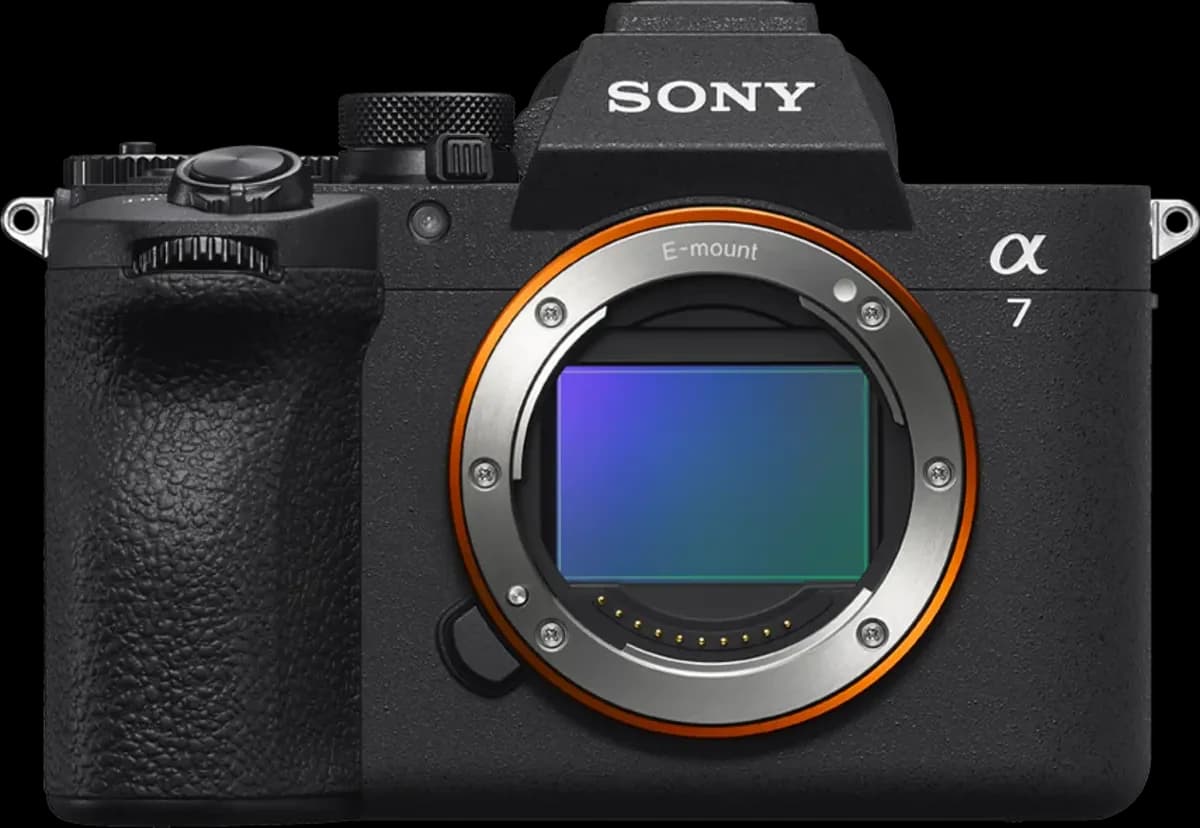
- Body 2 800 € (Sony α7 IV) + 50 mm f/1.8 250 € + two SD cards 60 € = 3 110 € real.
Plan for 30 to 40% above body price for the first kit. The lens often impacts image quality more than the body itself. A 1 200 € body with a 600 € lens outperforms a 2 000 € body with a 150 € kit.
- 03
Your weight tolerance
A camera left at home takes no photos. Weight is a decision criterion, not a secondary constraint.
Three thresholds to know:
- Under 500 g (body only): minimalist travel, daily street. Examples: Panasonic Lumix S9 (486 g), Sony α7CR (515 g). Trade-off: reduced ergonomics, fewer dedicated controls.
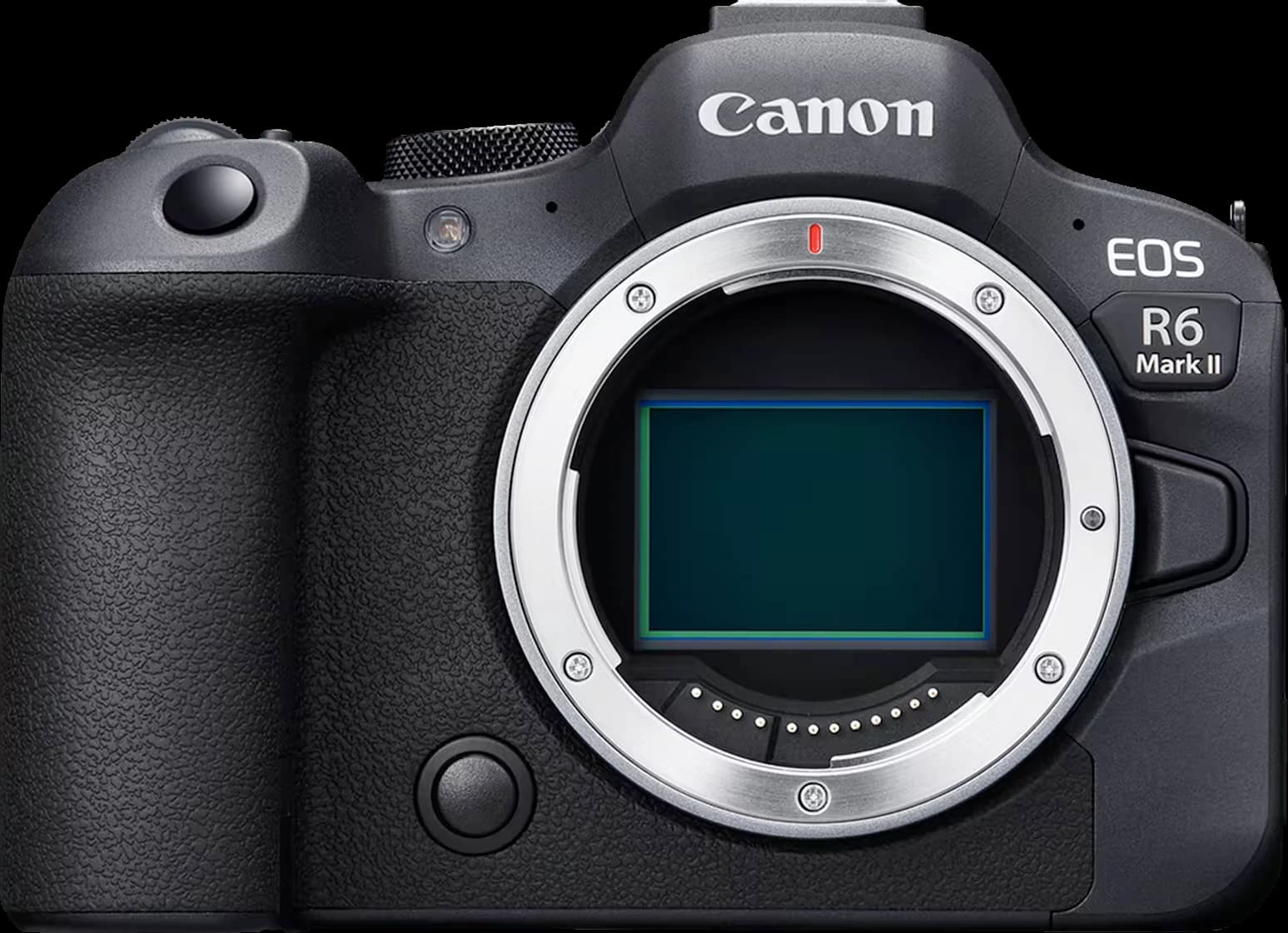
- 500 to 700 g: maximum versatility. Covers portrait, travel and reportage. Sony α7 IV (659 g), Canon EOS R6 Mark II (670 g).
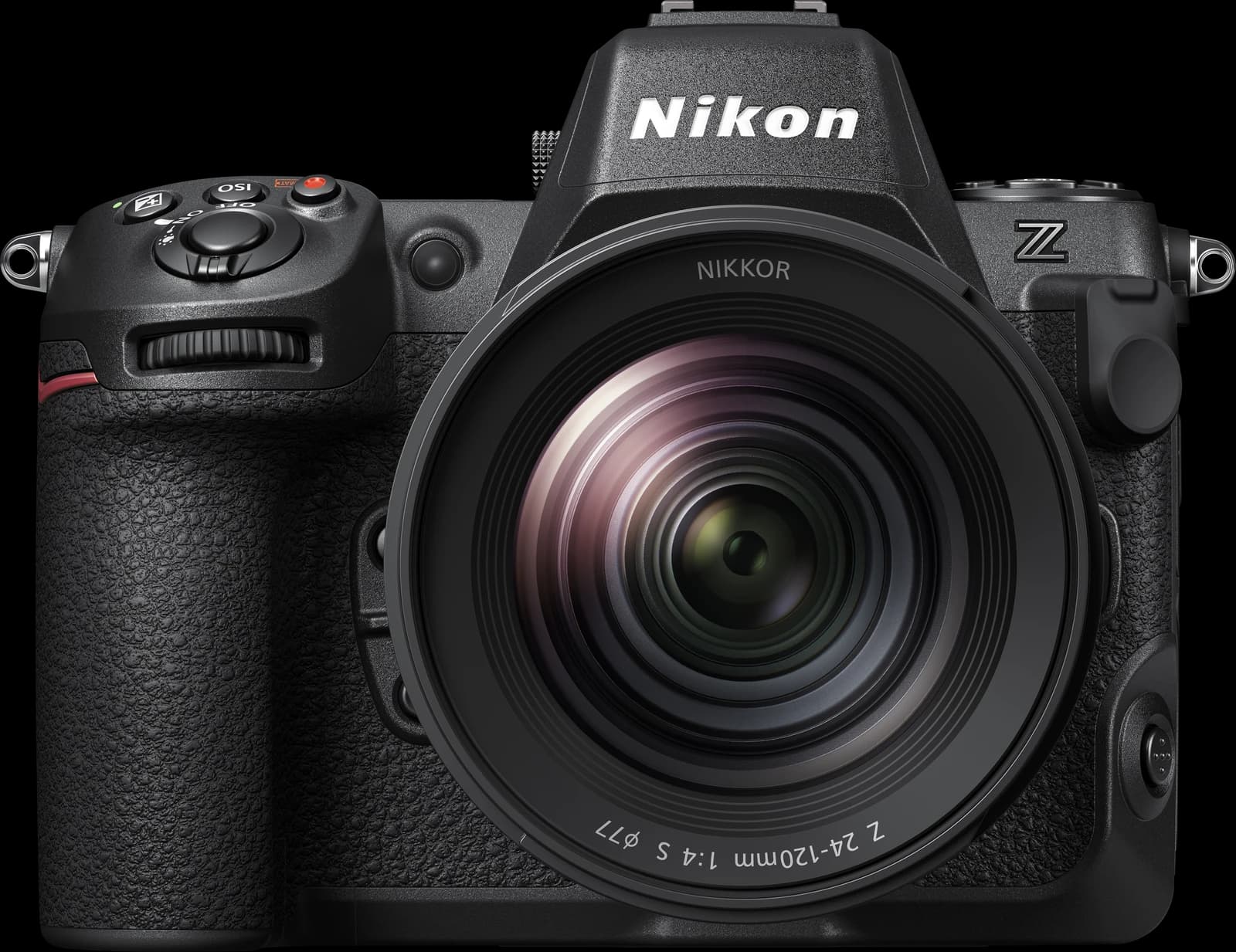
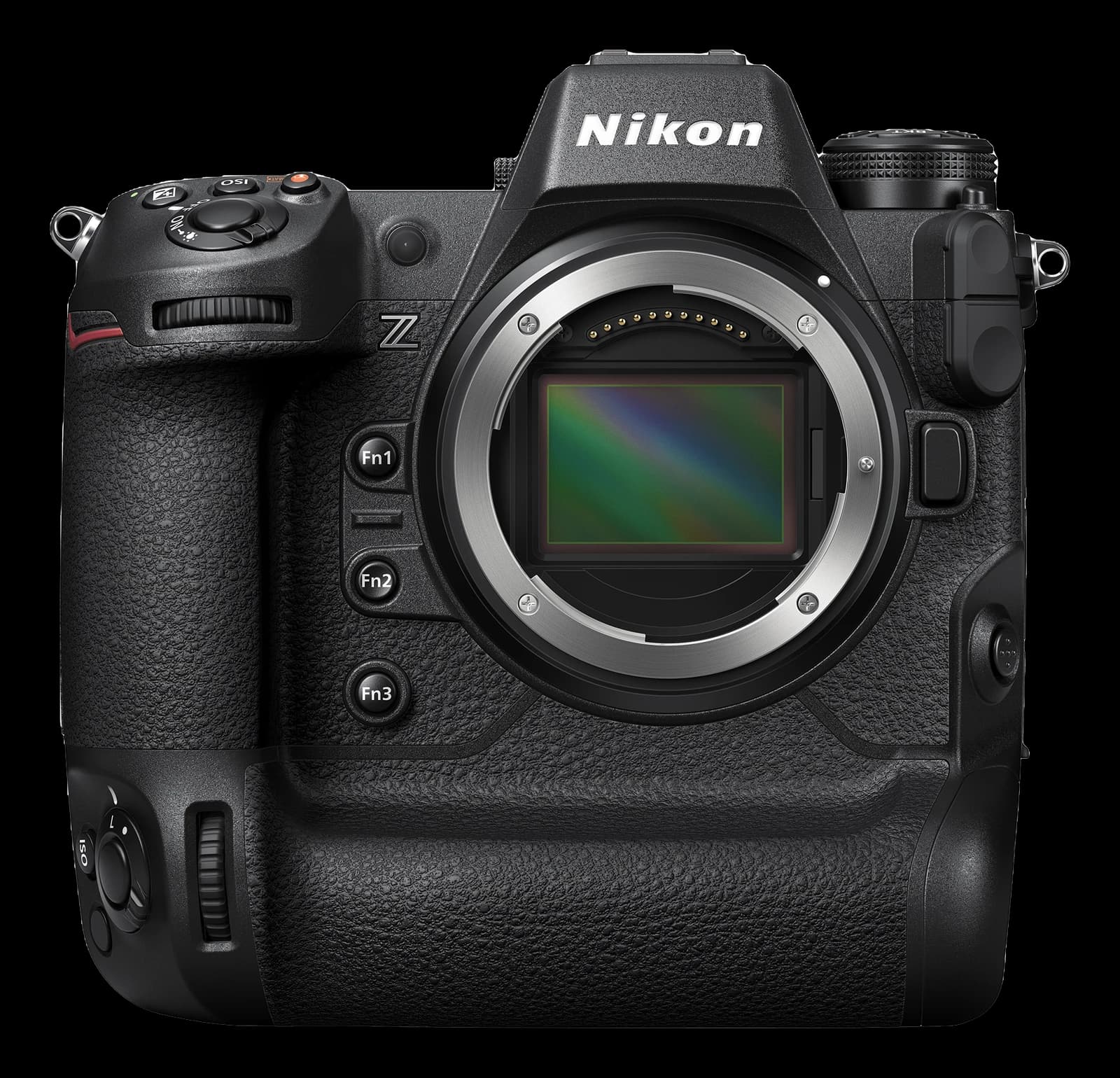
- 700 g to 1 kg+: pro bodies, integrated or semi-pro grip. Nikon Z8 (910 g), Canon EOS R1 (1 115 g). Reserved for demanding use cases where ergonomics trumps portability.
Add 300 to 600 g for the lens. A body + 70-200 mm f/2.8 combo exceeds 2.5 kg. Anticipate this total before any purchase.
Compact, bridge, mirrorless, DSLR: which family in 2026?
In 2026, the market has simplified. The mirrorless hybrid is the de facto standard for 85% of buyers. The expert compact fills a precise niche. The bridge survives on a very narrow segment. New DSLRs have vanished from Canon and Nikon catalogues.
Expert compact
The expert compact pairs a large sensor (1-inch to full-frame) with a fixed non-interchangeable lens. It targets the photographer who wants quality without the system.
Representative models from the 2025-2026 catalogue:
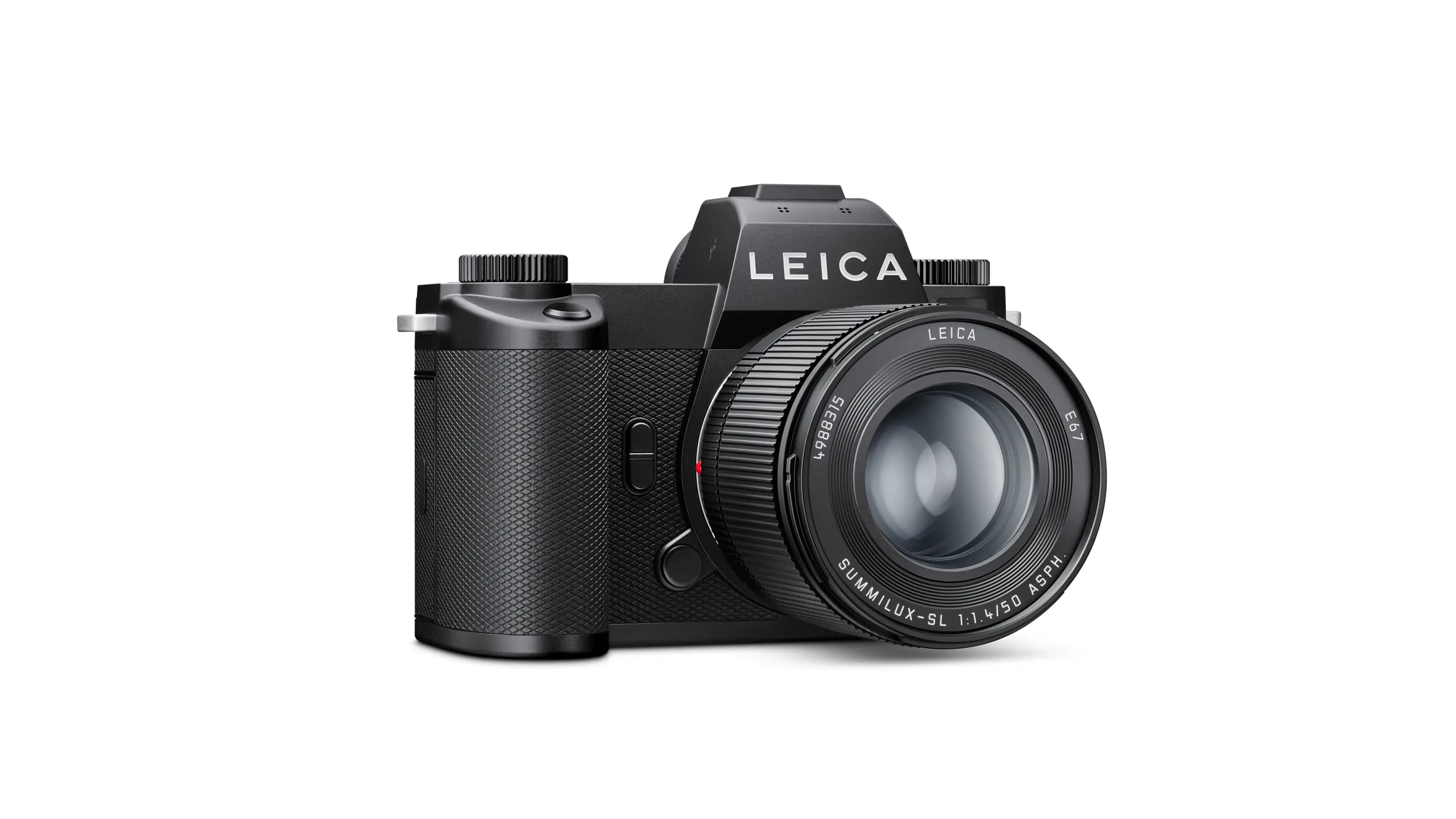
- Leica Q3: full-frame 60 MP, fixed 28 mm f/1.7, 743 g.
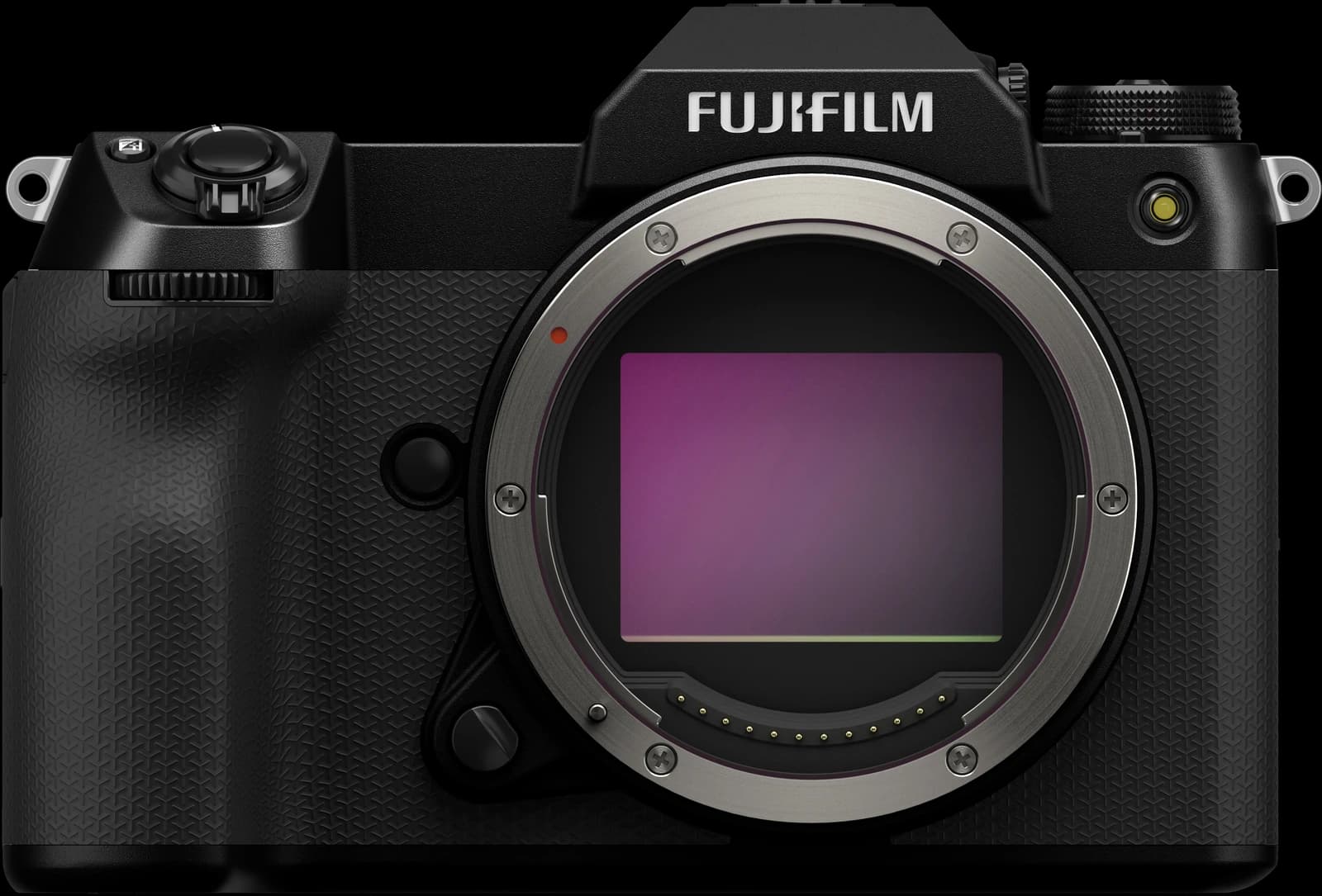
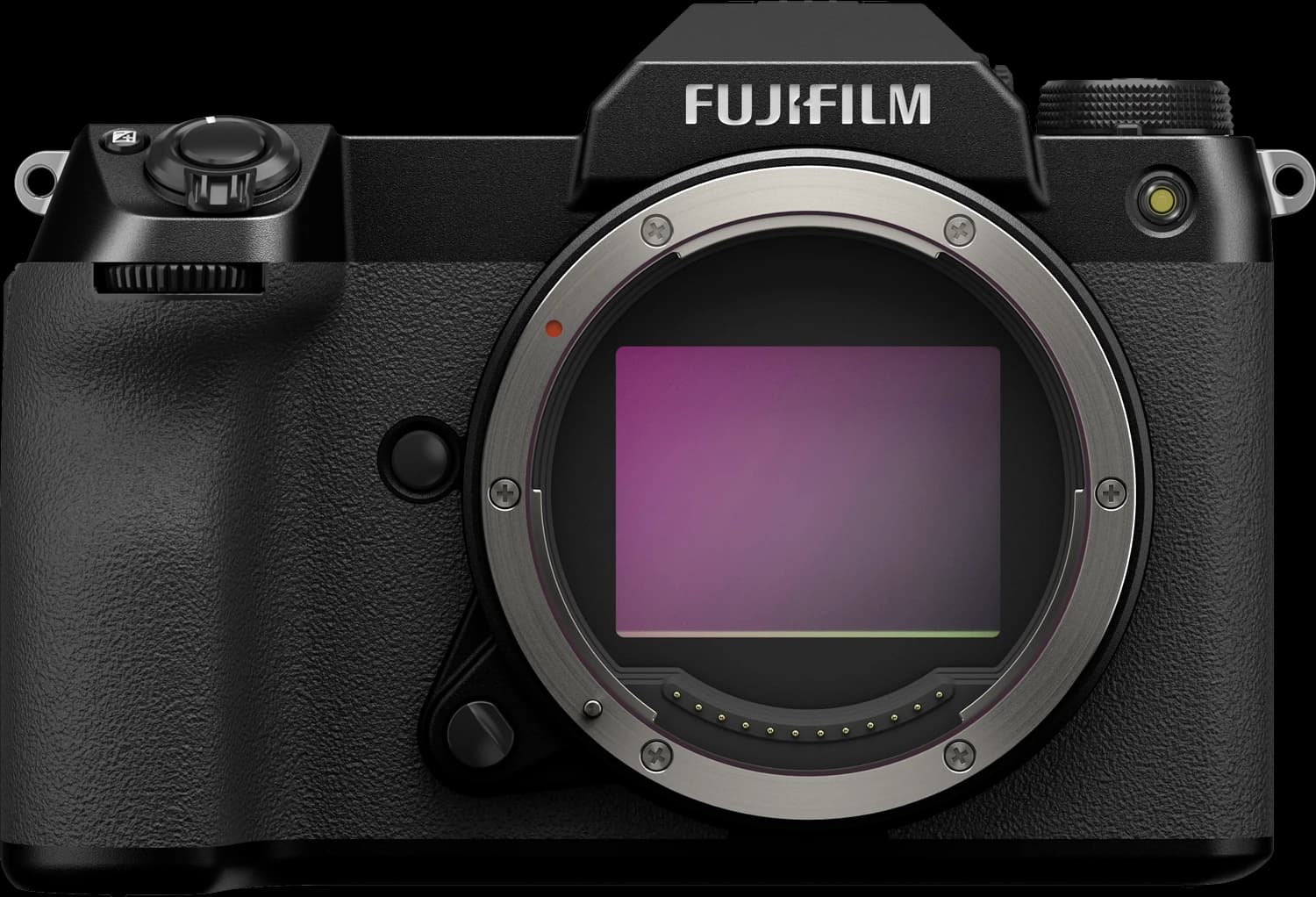
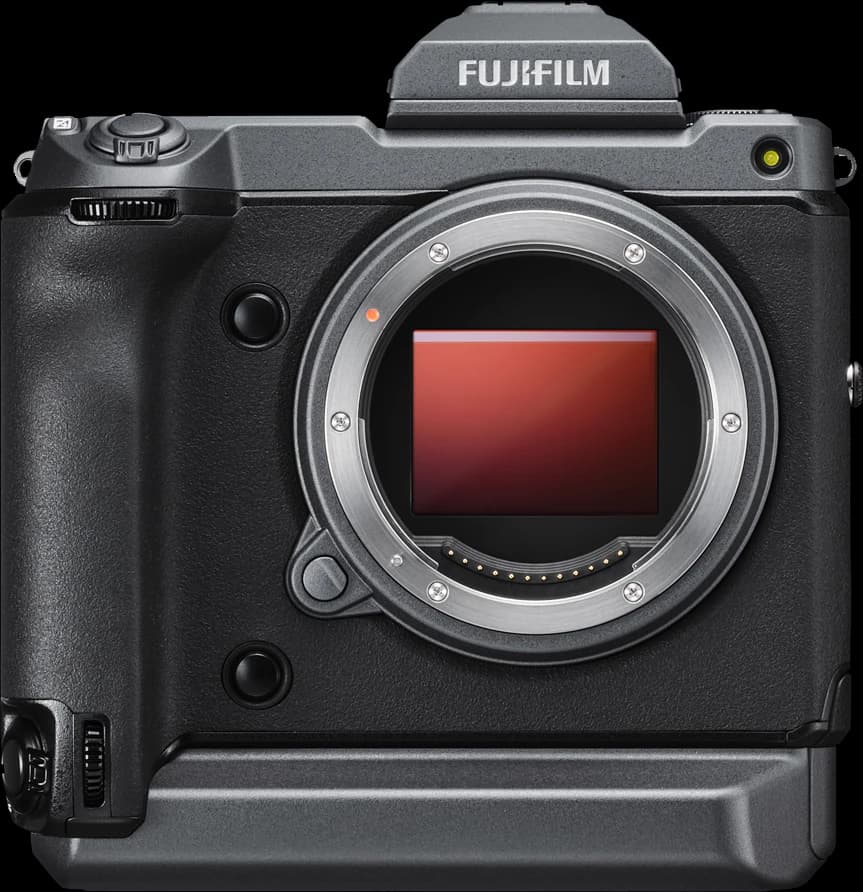
- Fujifilm GFX 100RF: medium format 102 MP, 35 mm equivalent, 735 g.
Strengths: discretion, maximised optical quality on one focal length, no lens choice needed.
Limits: single fixed focal length, high price, no system evolution.
Verdict: relevant if you accept a fixed focal and budget over 1 500 €.
Bridge
The bridge offers extreme zoom (24-3000 mm equivalent) in an all-in-one body. Its 1/2.3-inch or 1-inch sensor limits image quality in low light.
In 2026, the niche is very narrow. The bridge convinces only if:
- You photograph very distant subjects (birds in free flight, inaccessible wildlife).
- Your budget is strictly under 500 € all-in.
- You refuse to change lenses.
In all other cases, an APS-C mirrorless with a 70-300 mm offers clearly superior image quality for a comparable budget.
Verdict: very specific niche, not recommended as a serious first purchase in 2026.
Mirrorless hybrid
The mirrorless hybrid is the default choice in 2026. Canon, Sony, Nikon, Fujifilm and Panasonic have all halted DSLR development to focus resources on mirrorless.
Why it is the standard:
- Subject-detection AF across 100% of the sensor surface on recent models.
- Electronic viewfinder with real-time exposure preview.
- Integrated 4K video without photo compromises.
- More compact bodies at equivalent specs.
The native lens ecosystem is now mature on RF, Z, E and X mounts. The argument 'DSLRs have more lenses' no longer holds for main mounts.
Verdict: mirrorless hybrid for all new purchases in 2026, without exception.
DSLR
Canon and Nikon have officially stopped new DSLR production. The last models date from 2020-2022. DSLRs remain relevant only used.
Models still interesting under 700 € used in 2026:
- Canon EOS 6D Mark II: full-frame 26 MP, 45-point AF, excellent for portrait and static landscape.
- Nikon D750: full-frame 24 MP, measured dynamic range 14.5 EV, used reference.
- Nikon D850: 46 MP, large prints, still competitive in landscape.
Limits to anticipate: no firmware updates, EF/F lens ecosystem nearing end of commercial life, AF less capable than current mirrorless on moving subjects.
Verdict: used under 700 € only, with existing EF/F lens.
The 5 specs that change your photos (and those that change none)
Spec sheets contain 40 to 60 parameters. Five of them truly change your images. The rest are marketing arguments to weigh cautiously.
- 01
Sensor size
- Spec
- Impact
- Verdict
Five formats coexist in 2026: 1-inch (13.2 × 8.8 mm), Micro Four Thirds (17.3 × 13 mm, ×2 crop), APS-C (23.5 × 15.6 mm, ×1.5 crop), full-frame (36 × 24 mm, ×1 crop) and medium format (44 × 33 mm).
Light-gathering surface, ISO noise, available depth of field and measured dynamic range. A full-frame captures 2.4 times more light than an APS-C at equivalent aperture.
APS-C minimum for serious use. Full-frame if body budget over 1 500 €.
- 02
Subject-detection autofocus
- Spec
- Impact
- Verdict
AF coverage as percentage of sensor surface, minimum EV sensitivity, human/ animal/ vehicle eye detection. The best 2026 systems reach -7 EV sensitivity.
Sharp-shot rate (keepers) on moving subjects. AF without eye detection loses 15 to 30% of keepers in dynamic portrait per DPReview tests.
Absolute deal-breaker: any body without eye detection is off-market in 2026.
- 03
IBIS stabilisation
- Spec
- Impact
- Verdict
5-axis in-body stabilisation, measured 5 to 8 CIPA stops by model. Some bodies combine IBIS + optical stabilisation for 8 stops in hybrid mode.
Handheld shutter speed usable. With 6 stops IBIS, 1/8 s becomes viable where 1/500 s was needed without stabilisation.
Essential except permanent tripod use. Check CIPA figure, not just presence.
- 04
Useful resolution
- Spec
- Impact
- Verdict
From 12 MP (Sony FX3) to 102 MP (Fujifilm GFX 100RF). A 45 MP RAW weighs 45 to 90 MB by codec. CFexpress Type B card needed from 30 images/s RAW burst.
Cropping margin, large prints, post-processing throughput. 24 MP yields sharp 60 × 40 cm print at 300 dpi without interpolation.
24 MP covers 99% of uses. 45 MP+ useful only for 60 cm+ prints or systematic cropping.
- 05
Mount lens ecosystem
- Spec
- Impact
- Verdict
Number of native focal lengths available, average price of quality optic, used availability. Mature mounts in 2026: Sony E (200+ optics), Canon RF (80+), Nikon Z (70+), Fujifilm X (40+).
Total cost over 5 years, evolution without system change, resale value.
Lens ecosystem matters more than body specs long-term. Check before buying.
What you can ignore
- - Auto scene modes: useless once you master exposure basics.
- - Built-in Wi-Fi and Bluetooth: slow transfer, rarely used in field practice.
- - Electronic viewfinder resolution: 3.69 M dots vs 5.76 M dots, imperceptible difference in use.
- - Built-in GPS: drains battery, effectively replaced by smartphone geolocation.
- - Fast USB-C charging: useful but never decisive vs extra battery at 60 €.
- - 'AI' and 'deep learning AF' marketing: generic terms, only keeper rates in tests matter.
- - Number of video modes: one well-mastered log profile beats 12 underused modes.
Which camera should I buy by use case?
Each use case imposes precise technical constraints. This table summarises the main recommendation and alternative for eight common practices, with the decisive criterion.
| Use case | Recommended pick | Budget alternative | Why |
|---|---|---|---|
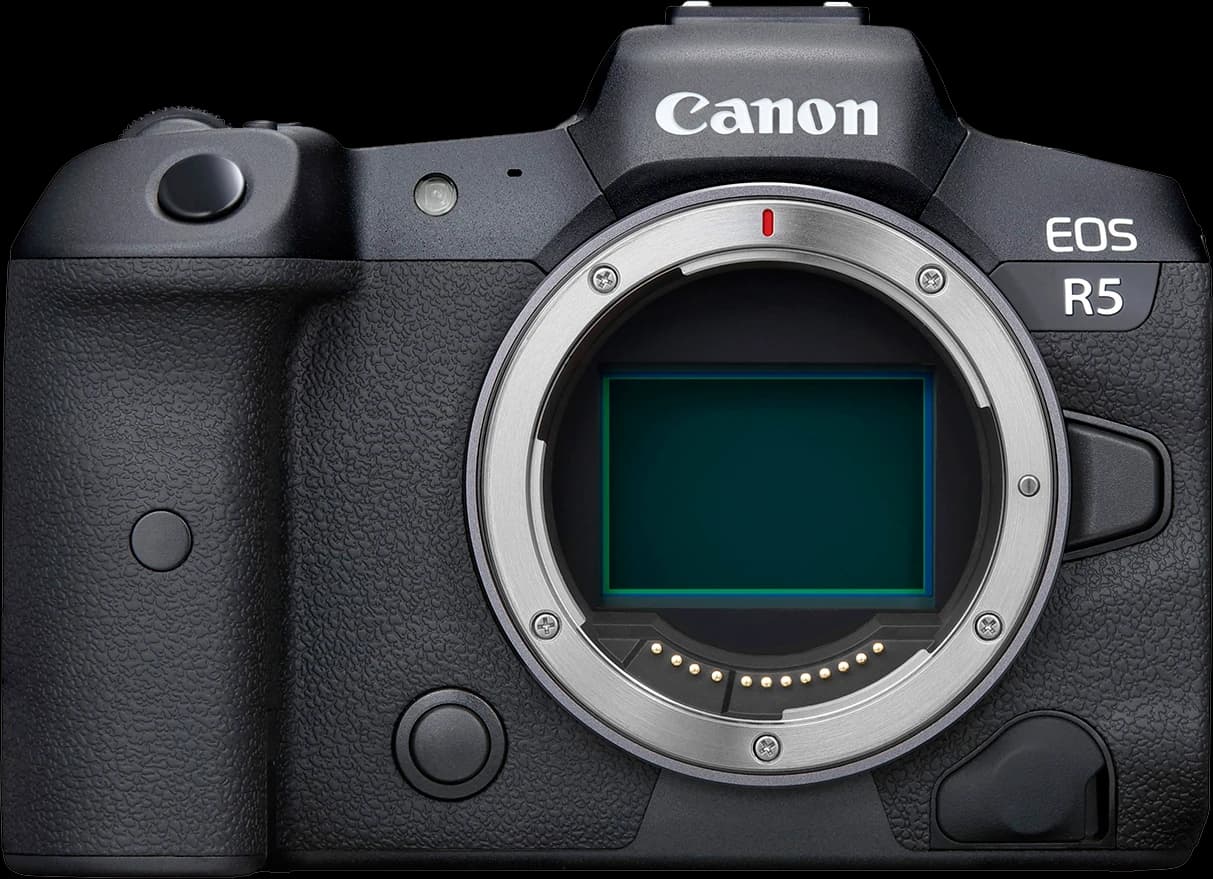
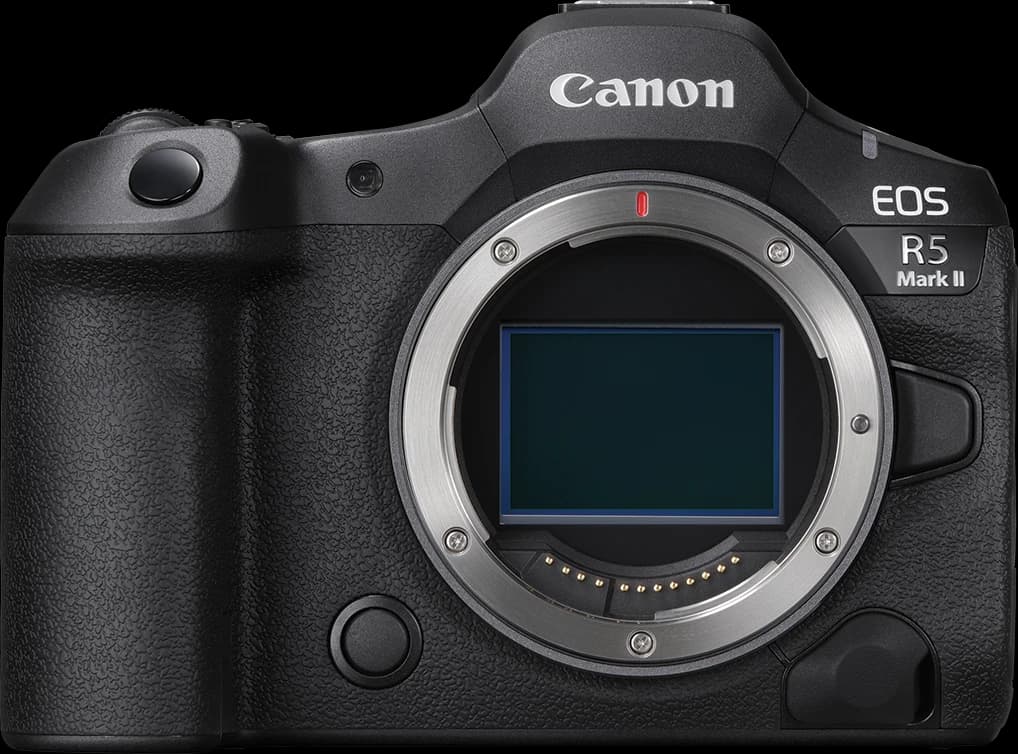
| Studio and outdoor portrait | Canon EOS R5 Mark II | Sony A7 V | 45 MP for cropping in editing, reliable eye detection at -6 EV, declared 8 stops IBIS. Sony α7 V at 33 MP for lower budget. |
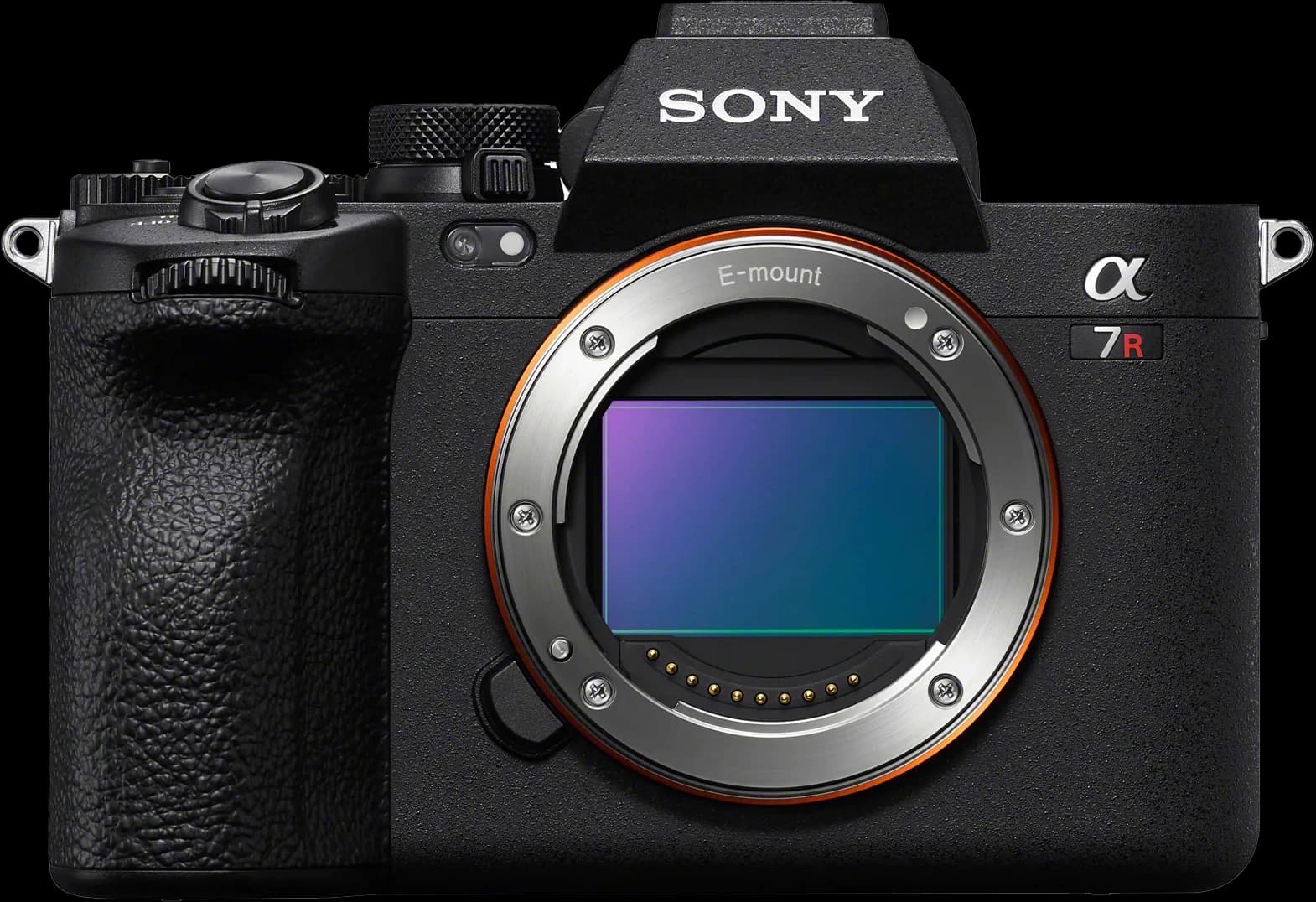
| Landscape and architecture | Fujifilm GFX 100rf | Sony A7R V | 102 MP medium format, measured dynamic range over 14 EV at 100 ISO. Sony α7R V at 60 MP full-frame for more accessible budget. |
| Sport and action | Sony A9 III | Nikon Z9 | Global shutter 120 images/s without rolling shutter, predictive AF. Nikon Z9 at 46 MP and 20 images/s for sport-reportage versatility. |
| Wildlife and fauna | Nikon Z8 | Canon EOS R5 Mark II | 46 MP, reliable animal detection, 20 images/s RAW burst, deep buffer. Canon R5 Mark II for animal AF and weight-performance ratio. |
| Light travel | Sony A7cr | Panasonic Lumix S9 | 515 g, 60 MP full-frame, built-in IBIS. Panasonic S9 at 486 g for lower budget with 6K video. |
| YouTube video and creation | Panasonic S1H II | Canon EOS R5 Mark II | 10/10 video score, internal 6K RAW, active cooling. Canon R5 Mark II at 8.9/10 video for photo-video versatility. |
| Street and discreet reportage | Fujifilm X T5 | Panasonic Lumix S9 | 557 g, 40.2 MP APS-C, silent electronic shutter, discreet ergonomics. Panasonic S9 for full-frame in compact format. |
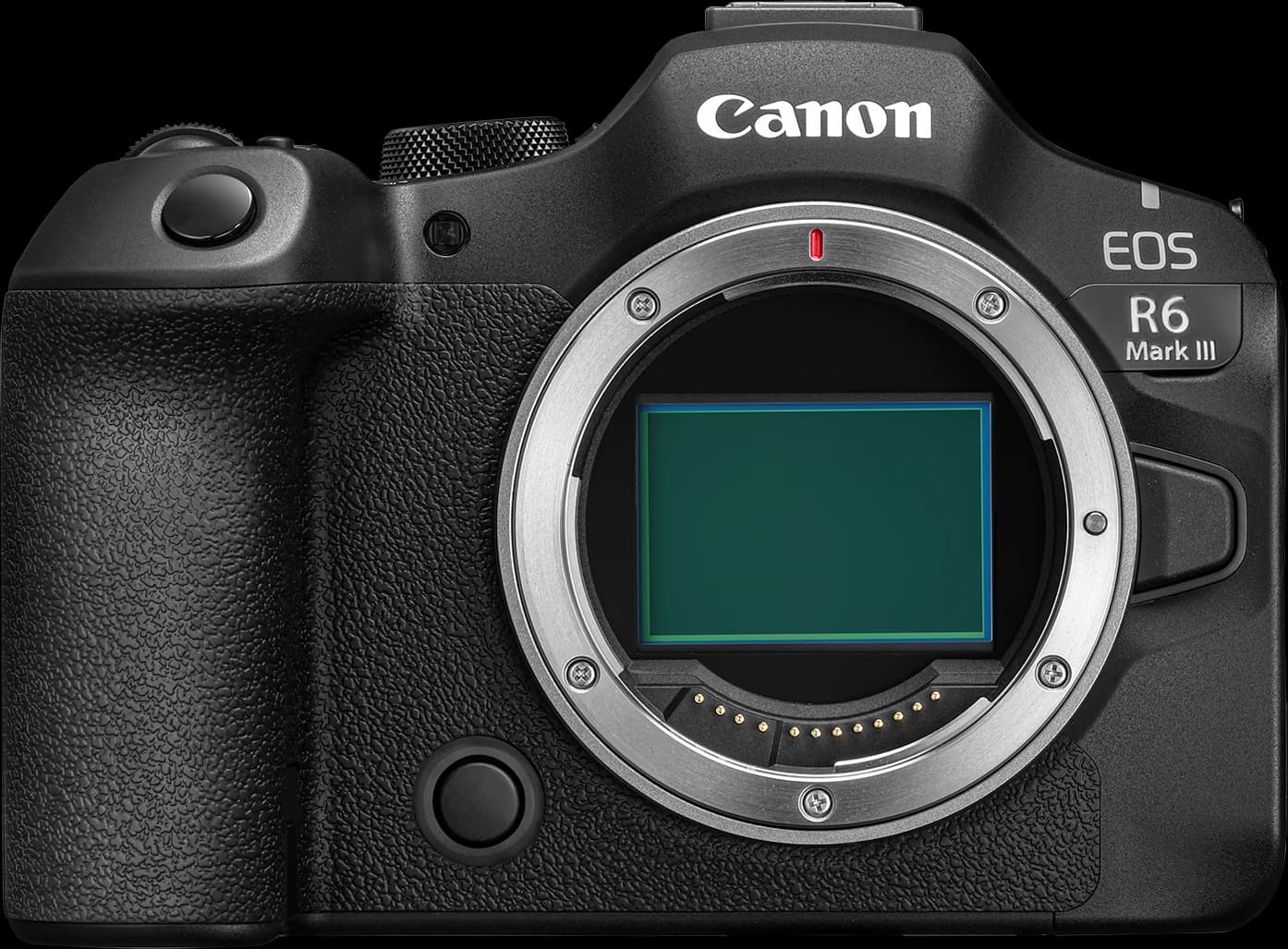
| Concerts and low light | Sony A7 V | Canon EOS R6 Mark III | 33 MP full-frame, extended native ISO, AF at declared -7 EV. Canon R6 Mark III for ergonomics and 40 images/s burst. |
How much to really spend in 2026?
Body-only price is misleading. Total cost includes at minimum one lens, suitable memory card and extra battery. Here are four realistic ranges with detailed extras.
Entry APS-C or used
Under 800 € body, choices limit to entry APS-C new or full-frame used.
New, the Canon EOS R7 (33 MP, APS-C, 612 g) offers full subject-detection AF and 15 images/s burst. It is the recommended floor for serious use.
Used, a Nikon Z6 II or Sony α7 IV second-hand falls under this at approved dealers. Check shutter count (under 50 000 actuations for good condition).
Verdict: Canon EOS R7 new or Sony α7 IV used to maximise quality at this budget.
APS-C mirrorless + kit
This range is the densest in the 2026 market. It covers high-end APS-C mirrorless and entry full-frame used.
The Fujifilm X-T5 (40.2 MP, 557 g) is the landscape-travel reference here. The Fujifilm X-H2S (26.2 MP, 40 images/s burst) targets APS-C sport and wildlife.
Full-frame side, the Sony α7 IV (2 800 € new) falls under 1 500 € used with under 30 000 actuations.
Lens remains priority. A 18-55 mm kit suffices to start, but a native 35 mm f/1.8 immediately improves low-light quality.
Verdict: Fujifilm X-T5 for landscape, X-H2S for action, Sony α7 IV used for full-frame.
Entry full-frame
From 1 500 to 2 500 €, new full-frame becomes accessible. This is the range with the most perceptible quality jump over APS-C.
The Sony α7 IV (33 MP, 659 g, 2 800 € new) negotiates under 2 500 € on promotion. The Nikon Z6 III (25 MP, 760 g) offers partially stacked sensor and internal 6K RAW video.
The Canon EOS R6 Mark II (24 MP, 670 g) remains a polyvalent photo-video reference here, with top-market AF.
Plan for quality native lens: a 50 mm f/1.8 RF, Z or FE costs 200 to 300 € and fully exploits the sensor.
Verdict: Sony α7 IV or Canon EOS R6 Mark II by targeted lens ecosystem.
Pro and specialised
Above 2 500 € body, each euro funds precise specialisation. No universal body exists here: each model optimises one use case.
- Sport and action: Sony α9 III (25 MP, global shutter 120 images/s).
- High-resolution landscape: Fujifilm GFX 100RF (102 MP medium format, 735 g).
- Professional video: Panasonic S1H II (10/10 video score, 6K RAW).
- Reportage and versatility: Canon EOS R5 Mark II (45 MP, 8.9/10 video).
Lens often equals 50 to 100% of body price here. Native 70-200 mm f/2.8 costs 2 000 to 3 500 €.
Verdict: define your main use case before buying. No body at this price is versatile without compromise.
Canon, Sony, Nikon, Fujifilm, Panasonic, OM System: which brand to choose?
Brand is secondary to use case and budget. It becomes decisive on three points: native lens ecosystem maturity, after-sales service in France and compatibility with existing gear.
Canon
Canon dominates the consumer mirrorless market in France in 2026. The RF mount offers 80+ native optics, including several f/2.8 and f/4 L Series references. Dual Pixel CMOS II AF is among the market's most reliable on human subjects.
The Canon EOS R5 Mark II (45 MP, photo score 8.3, video 8.9) is the versatile range reference. The R6 Mark III targets sport and wedding photographers with 40 images/s burst.
Main limit: high-end RF optics are expensive and scarce used. EF-RF adapter via mount works well but adds weight.
- Best for
- Portrait, wedding, sport, photo-video versatility.
- Watch out for
- Expensive RF optics, EF adapter required for legacy ecosystem.
Sony
Sony leads the global full-frame mirrorless mount with 200+ native E-mount optics. The ecosystem is the most mature and abundant used.
Sony subject-detection AF is a measured reference: the Sony α9 III reaches 120 images/s with global shutter. The Sony α7 V (33 MP, photo score 8.3) is the best-selling versatile full-frame in its class.
Limit: menu ergonomics criticised by Canon/Nikon users. Customisation is powerful but learning curve steep.
- Best for
- Sport, low light, versatility, rich lens ecosystem.
- Watch out for
- Complex menus, ergonomics challenging for new users.
Nikon
Nikon succeeded its mirrorless transition with Z mount. The Z lens ecosystem counts 70+ native focal lengths in 2026, with S-Line optics among the market's best-rated (Nikkor Z 50 mm f/1.2 S, 70-200 mm f/2.8 S).
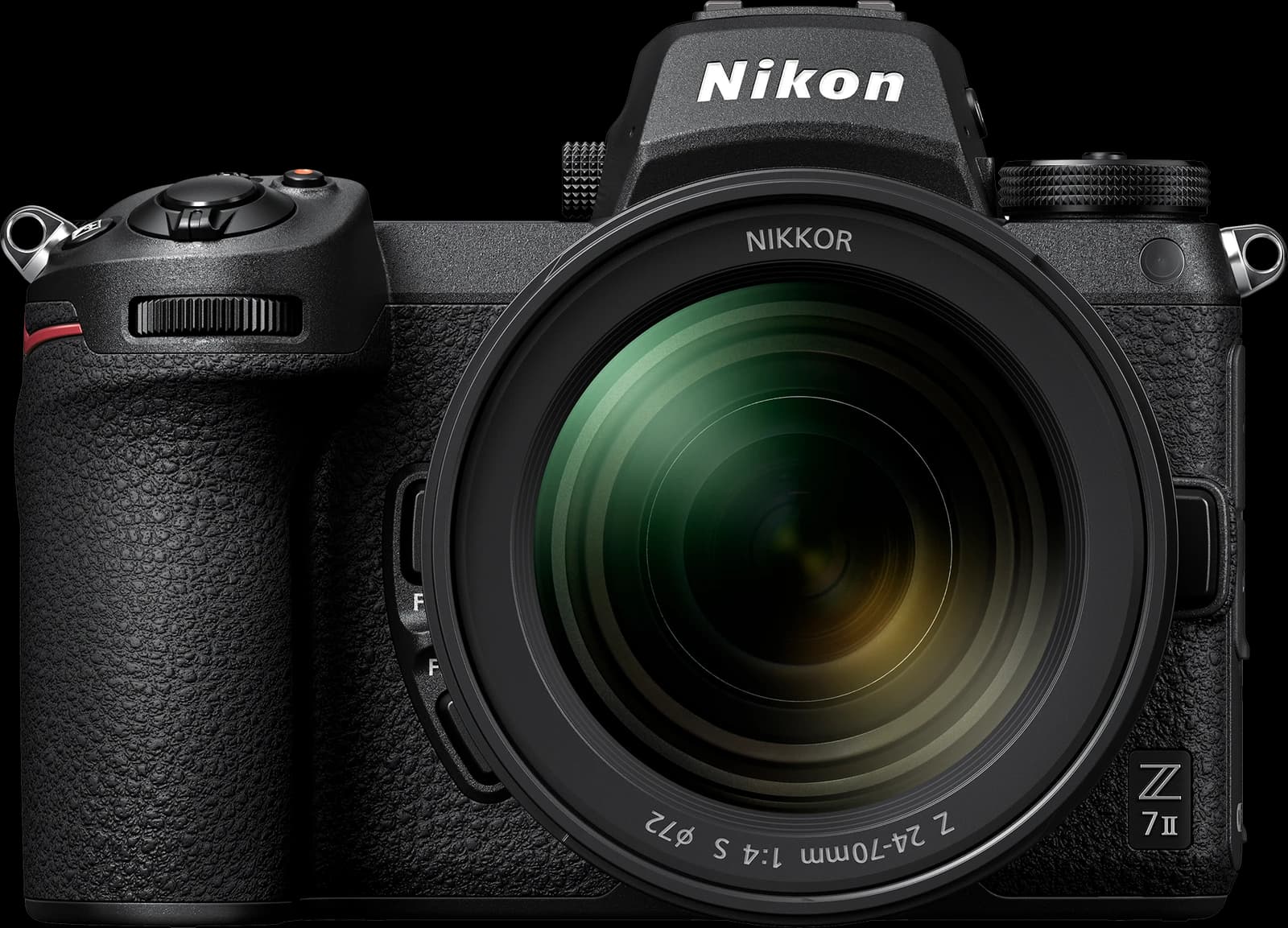
The Nikon Z8 (46 MP, 910 g, photo score 8.0) offers Z9 functions in more compact format. The Nikon ZR (25 MP, 630 g, video score 9.2) is the range's compact video reference.
Limit: Z ecosystem less dense in entry-level than Sony E. F-mount (DSLR) optics compatible via FTZ II adapter but without combined IBIS on some models.
- Best for
- High-resolution landscape, sport, reference S-Line optics.
- Watch out for
- Less dense entry Z ecosystem, FTZ II adapter needed for legacy.
Fujifilm
Fujifilm fills two distinct niches: expert APS-C (X mount) and accessible medium format (GFX mount). Built-in film simulations (Provia, Velvia, Classic Neg) produce usable JPEGs directly, reducing post-processing time.
The Fujifilm X-T5 (40.2 MP, 557 g) is the APS-C landscape-travel reference. The GFX 100RF (102 MP, 735 g) is the market's lightest medium-format compact in 2026.
Limit: GFX ecosystem limited (20 focal lengths) and expensive. X mount mature but fewer quality third-party optics than Sony E.
- Best for
- Landscape, travel, direct JPEG rendering, accessible medium format.
- Watch out for
- Limited expensive GFX ecosystem, animal AF less capable than Canon/Sony.
Panasonic
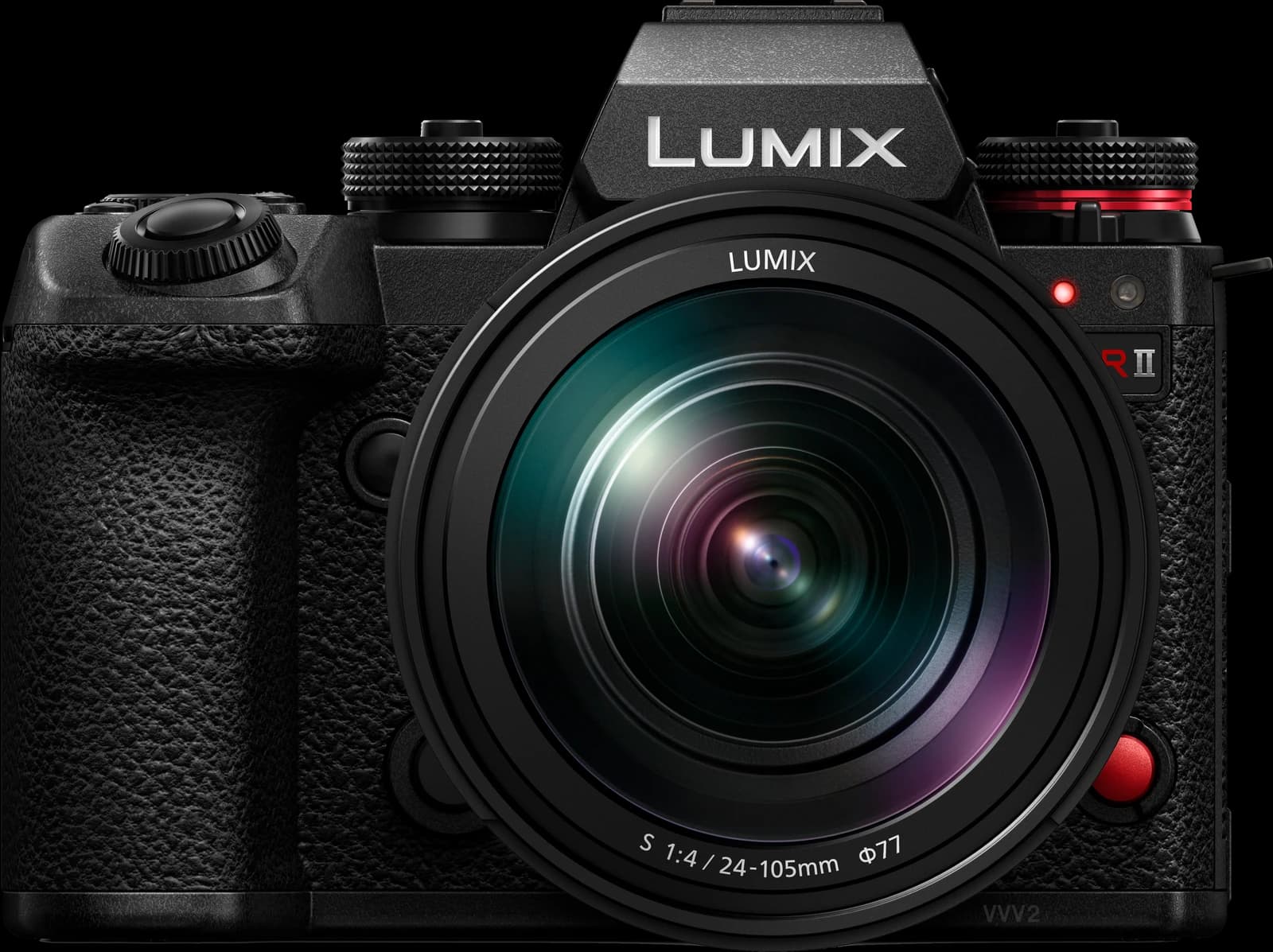
Panasonic stands out with full-frame video bodies. The Panasonic S1H II and Lumix S1R II reach 10/10 video score in our catalogue, unique in 2026.
L mount shared with Leica and Sigma expands ecosystem to 100+ focal lengths. The Lumix S9 (486 g, 24 MP) is the market's most compact full-frame.
Historical limit: Panasonic AF (DFD system) lagged Sony/Canon until 2023. S1 II and S1H II closed part of gap, but eye detection less reactive on fast subjects.
- Best for
- Professional video, compact full-frame travel, versatile L mount.
- Watch out for
- AF less capable on fast subjects, less suited to sport/wildlife.
OM System
OM System (ex-Olympus) is the sole major Micro Four Thirds player in 2026. MFT sensor (×2 crop) limits low-light quality but IBIS reaches 8 stops on OM-3, a measured record.
The OM System OM-3 (20 MP, 496 g, photo score 7.2) suits nature photography with tripod or harsh conditions (IP53 weather-sealing). Olympus/Panasonic MFT ecosystem counts 50+ focal lengths.
Structural limit: MFT sensor noisier from ISO 3 200 than equivalent APS-C. Not recommended for concerts or low-light interiors.
- Best for
- Nature, macro, harsh conditions, minimal weight with record IBIS.
- Watch out for
- High ISO noise from 3 200, dynamic range below APS-C/full-frame.
Mirrorless or DSLR in 2026?
The answer is clear for all new purchases: mirrorless without exception.
Canon officially stopped EOS DSLR production in 2022. Nikon ceased new F-mount bodies in 2023. No new DSLR since. Firmware updates are thinning.
Mirrorless outperforms DSLR on four measurable points:
- Subject-detection AF covering 90 to 100% of sensor (vs 50 to 60% on best DSLRs).
- Electronic viewfinder with exposure preview, real-time histogram and focus aids.
- 4K video uncropped on most 2025-2026 models.
- More compact bodies at equivalent sensor/resolution.
DSLR remains relevant only used under 700 €, if you own quality EF or F lenses. Three models retain real value in 2026: Nikon D850 (46 MP, 14.8 EV measured dynamic range), Nikon D750 (24 MP, quality-price reference) and Canon EOS 6D Mark II (26 MP, accessible full-frame).
EF-RF or FTZ II adapters make DSLR lenses work on Canon/Nikon mirrorless. Often the best transition for existing owners.
Verdict: always new mirrorless. Used DSLR only with existing lens ecosystem.
Smartphone or camera: when does the dedicated camera become essential?
A 2026 high-end smartphone produces usable images in 70% of common situations. Four precise cases justify investing in a dedicated camera.
- 1
Concert and interior low light: full-frame sensor at ISO 12 800 produces 2 to 3 stops less noise than 1/1.28-inch smartphone sensor. Difference visible on screen from ISO 3 200.
- 2
Real telephoto for sport and wildlife: native 400 mm f/5.6 on APS-C equals 600 mm full-frame. No 2026 smartphone offers real optical beyond 230 mm without digital degradation.
- 3
True optical bokeh vs simulated: 85 mm f/1.4 on full-frame yields 3 to 5 cm depth of field at 1 m. Smartphone AI-simulated bokeh shows artefacts on hair and complex edges.
- 4
Large prints and cropping: 45 MP sensor allows sharp 80 × 53 cm print at 300 dpi and 50% crop without visible loss. 50 MP smartphone with 1/1.28-inch sensor fails beyond 40 × 27 cm.
Find your body in 90 seconds with our selector
The camera-duel.com interactive selector analyses your profile on 10 axes: dominant use case, total budget, weight tolerance, photo or video priority, skill level, burst needs, low-light demands, target sensor format, existing lens ecosystem and travel frequency.
Answer 6 questions for a personalised radar comparing the three best-suited bodies. Each axis scored 1-10 with data source (DXOMark, DPReview, Photons to Photos or manufacturer datasheet).
Two complementary tools:
- /comparateur: 1-vs-1 duels between your chosen bodies, spec-by-spec table and clear verdict.
- /vs: detailed pages by pair (e.g. Sony α7 V vs Canon EOS R6 Mark III), optimised for comparison searches.
Catalogue covers 60 bodies released 2023-2026. Pre-2023 models referenced only if used quality-price remains competitive in 2026.
Use the selector before detailed sheets: it narrows comparison to 3 relevant models for your case.
Frequently asked questions
Which camera should I buy to get started in 2026?
To start in 2026, an APS-C mirrorless with subject-detection AF is the recommended entry. The Canon EOS R7 (33 MP, 612 g) and Fujifilm X-T5 (40.2 MP, 557 g) cover most uses under 1 500 € body. Avoid new DSLRs: Canon and Nikon halted development. Plan 30 to 40% of body budget for lens. Native 35 mm or 50 mm f/1.8 (150 to 300 € by mount) immediately improves low-light quality.
Mirrorless or DSLR: what to choose today?
Mirrorless for all new purchases in 2026, without exception. Canon and Nikon stopped new DSLR production. Mirrorless offers subject-detection AF over 90 to 100% of sensor, electronic viewfinder with real-time preview and integrated 4K video. DSLR relevant only used under 700 € if you own EF or F lenses. EF-RF or FTZ II adapters enable use on respective Canon/Nikon mirrorless.
What is the minimum budget for a quality camera?
Minimum budget for results clearly distinct from high-end smartphone is 800 € body + 200 € lens = 1 000 € total. Below, compromises on AF, stabilisation or optics cancel part of smartphone advantage. Used, Sony α7 IV or Nikon Z6 II under 1 200 € total offers unbeatable quality-price vs new in this range.
APS-C or full-frame for a beginner?
APS-C covers 80% of uses with lower budget and weight. 40 MP APS-C sensor (Fujifilm X-T5) yields sharp 60 × 40 cm prints and 13 EV measured dynamic range. Full-frame adds 2 to 3 stops less noise and shallower depth of field, useful in portrait and low light. For beginners, APS-C recommended: savings fund better lens, impacting image quality more.
What is the best camera brand?
No absolute best brand. Sony leads in AF and lens ecosystem (200+ E-mount focal lengths). Canon excels in portrait AF and photo-video versatility. Nikon offers best-measured S-Line optics. Fujifilm is APS-C and compact medium-format reference. Panasonic dominates pro video. Decisive criterion is lens ecosystem: choose mount covering your focal lengths at best quality-price over 5 years.
How many megapixels do you really need?
24 MP suffices for 99% of uses: prints up to 60 × 40 cm at 300 dpi, moderate cropping, 4K video. 45 MP useful for 80 cm+ landscape prints or systematic wildlife cropping. 60 to 102 MP target studio, architecture and medium format. Beyond 24 MP, visible gain depends on lens quality: 45 MP sensor with mediocre lens yields less detail than 24 MP with reference optic.
Should you buy your camera used?
Used is relevant in three segments. First, full-frame: Sony α7 IV or Canon EOS R6 Mark II under 1 800 € used unbeatable vs new. Second, DSLRs: Nikon D850 or D750 under 700 € with existing F ecosystem. Third, lenses: optics depreciate less than bodies, often excellent condition. Check shutter count (under 50 000 actuations) and buy from approved dealer with warranty.
Which camera for light travel?
Under 600 g body only, three stand out in 2026. Panasonic Lumix S9 (486 g, 24 MP full-frame) is lightest in class. Sony α7CR (515 g, 60 MP) offers best resolution in format. Fujifilm X-T5 (557 g, 40.2 MP APS-C) is landscape-travel reference. Add pancake or compact zoom: 28-75 mm f/2.8 weighs 550 g, 40 mm f/2.8 pancake 146 g. Body + pancake under 750 g is comfortable travel threshold.
Is a camera really better than a smartphone?
In 70% of good-light situations, a 2026 high-end smartphone matches entry APS-C. Dedicated camera essential in four cases: low light beyond ISO 3 200, real telephoto beyond 230 mm, optical bokeh without AI artefacts and large prints beyond 40 × 27 cm. If mainly daytime shooting and screen sharing, smartphone suffices. For sport, concerts or print landscape, camera remains essential.
Which lens to buy with your first body?
Lens depends on use case. For versatile start, 24-70 mm f/2.8 or 28-75 mm f/2.8 covers portrait and landscape. For low light and portrait, native 50 mm f/1.8 (150 to 300 € by mount) is first recommended buy. For travel, 28-200 mm or 18-300 mm minimises lenses carried. Avoid 18-55 mm f/3.5-5.6 kits: variable aperture limits low light. Invest 30 to 50% of total budget in lens over body.
Our method and sources
Scores and data on camera-duel.com come from four primary sources, cross-referenced per catalogue body.
DXOMark provides sensor measurements: overall score, dynamic range in EV at base ISO, colour noise score and dynamic range score. Measurements lab-standardised and repeatable. We use only measured data, never manufacturer estimates.
DPReview (archive and active tests) adds field evaluations: real-world AF, ergonomics, measured CIPA battery and high-ISO image comparisons. DPReview tests are our main reference for video scores and AF evaluations.
Photons to Photos (Bill Claff) sources measured sensor dynamic range by photosites and ISO noise curves. Data enables fair comparison of different-resolution sensors, independent of manufacturer processing.
Manufacturer datasheets (Canon, Sony, Nikon, Fujifilm, Panasonic, OM System) provide declared specs: weight, dimensions, AF EV sensitivity, CIPA IBIS stops, burst rate and buffer capacity. Marked 'declared' in sheets if unverified by independent lab.
Catalogue updated per major release, full score revision every six months. Last revision January 2026.
This guide and all camera-duel.com comparisons written by Teddy Verneuil, photo analyst and travel photographer based in Vannes (Brittany), 35 years photographic practice and 8 years photo market analysis for specialist press.