Review · Hasselblad · 2025
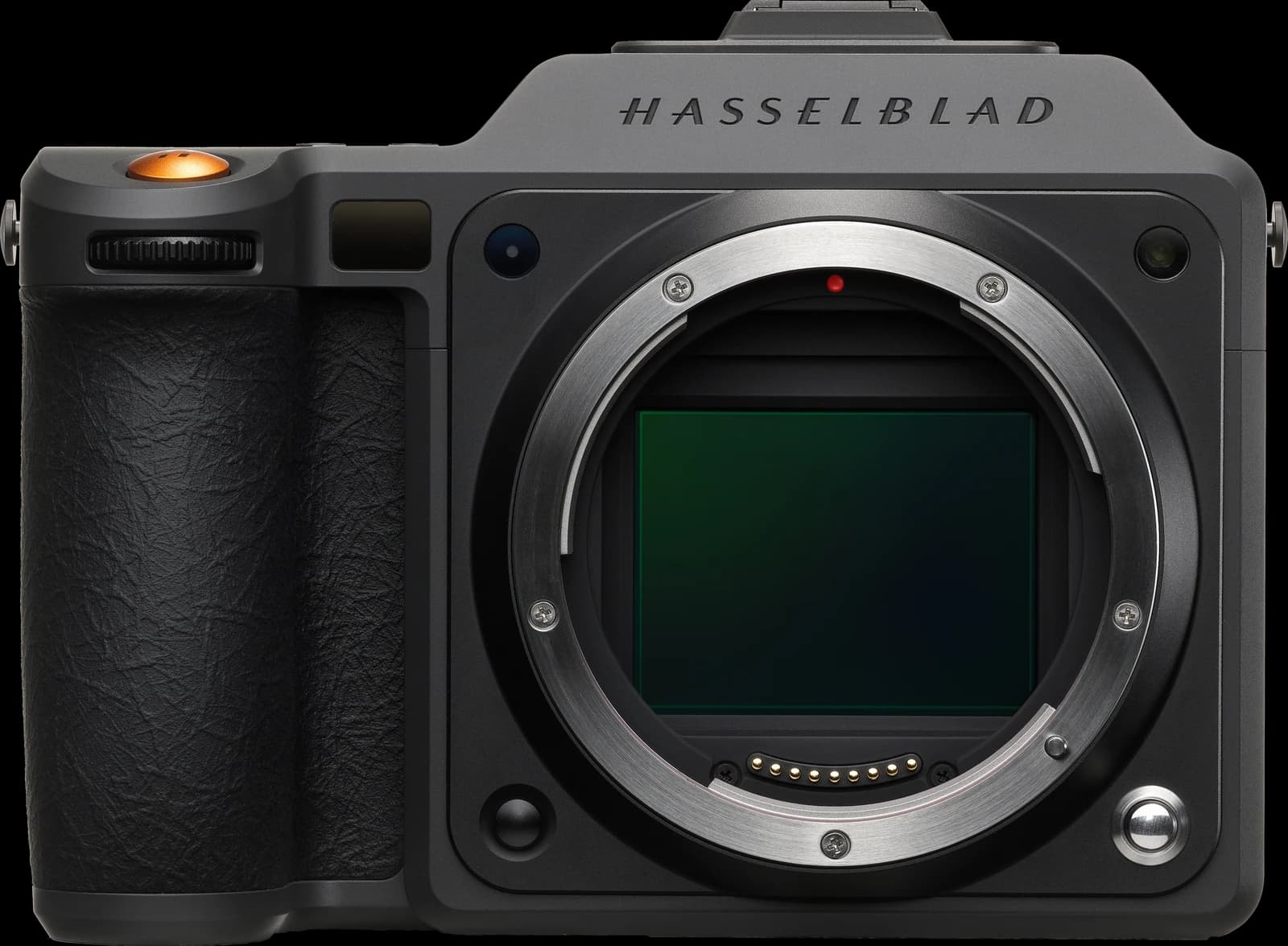
Hasselblad X2D II 100C Review: 102 MP Without Compromise
The best medium format sensor on the market for the studio, landscape or portrait photographer with no need for video.
Verdict
The X2D II 100C is a targeted and coherent evolution of the original X2D 100C. Hasselblad has addressed the two most criticised weaknesses of its predecessor: autofocus, now assisted by a LiDAR module with 425 points and 97 % coverage, and stabilisation, upgraded to 10 stops compensated, an absolute record in the medium format market. The BSI-CMOS 102 MP sensor on 44 × 33 mm delivers 12.5 EV measured dynamic range at ISO 50, a level that the Fujifilm GFX 100S II does not exceed according to Photons to Photos measurements. The trade-offs are acknowledged and documented: 3 fps mechanical and electronic burst, no video output, a single CFexpress Type B slot, and 327 CIPA shots battery life. At €7,200 body-only, the X2D II 100C targets a specific profile: the photographer who shoots large format, works in challenging light, and has no video ambitions. For this profile, it is the most rational choice in the medium format market in 2026.
Pros
- 102 MP on 44 × 33 mm BSI-CMOS sensor: definition and microcontrast without equivalent under 35 mm
- 12.5 EV measured dynamic range at ISO 50: exceptional post-processing recovery latitude
- 10 stops compensated IBIS: absolute record in the medium format market
- LiDAR AF with 425 points and 97 % coverage, including human and animal eye AF
- 5,760,000-point EVF at 1× magnification: immersive and precise viewfinder for manual focus
- Lower launch price than the original X2D 100C
Cons
- Only 3 fps mechanical and electronic burst: unusable for sports or fast wildlife
- No video output: 0.0 / 10 video score, zero codecs available
- Single CFexpress Type B slot: deal-breaker for professionals requiring redundant backup
- 327 CIPA shots battery life: spare battery essential outdoors
- Limited Hasselblad X optical ecosystem compared to Sony FE or Canon RF
- Maximum shutter speed 1/4000 s: limiting in bright light with fast XCD lenses
Who is it for?
- The landscape photographer who shoots large format (over 60 × 90 cm) and needs maximum post-processing recovery latitude
- The studio or controlled natural light portrait photographer who values skin rendering and medium format depth of field
- The slow travel photographer, unconcerned by weight, who prioritises image quality over responsiveness
- The professional commercial or architectural photographer delivering files for very large prints
On video
Tony & Chelsea Northrup · 11 min 47
The Hasselblad X2D II 100C Just Changed Photography FOREVER
Overview: The Targeted Successor to the X2D 100C
Launched in 2025, the X2D II 100C is the second body in Hasselblad's X series to exceed 100 megapixels. It directly succeeds the X2D 100C, launched in 2022, retaining its general architecture while addressing two structural weaknesses: autofocus and stabilisation.
Hasselblad positions the X2D II 100C as a pure stills camera, with no video concessions. This choice is documented and acknowledged in the brand's official communications. The 102 MP BSI-CMOS sensor on 44 × 33 mm is identical in size to that of the X2D 100C, but the processing pipeline has been revised to integrate phase detection AF and the LiDAR module. The launch price is set at €7,200 in Europe, slightly lower than the original model at launch.
Scores by use case: the X2D II 100C excels in landscape, portrait and studio. It is out of the game for video and sports.
The 44 × 33 mm medium format represents about 70 % more sensor area than a full-frame 36 × 24 mm. This area differential directly translates to gains in measured dynamic range, higher microcontrast and more selective depth of field at equivalent focal length. These advantages are quantifiable and reproducible: they do not depend on shooting conditions.
The X2D II 100C operates in a very narrow digital medium format market. Its direct competitors are the Fujifilm GFX 100S II ($7,499 at launch, 102 MP) and the Fujifilm GFX 100 II ($7,499, 102 MP). The Leica SL3 (full-frame) and Sony A7R V (61 MP full-frame) are alternatives for buyers willing to trade resolution and sensor size for versatility.
| Sensor | Medium Format |
|---|---|
| Sensor size | 44 × 33 mm |
| Resolution | 100 MP |
| Sensor type | BSI-CMOS |
| Native ISO range | 50 – 25600 |
| Extended ISO | up to 25600 |
| Measured dynamic range | 12.5 EV |
| In-body stabilization | 10 stops |
| AF points | 425 |
| AF coverage | 97 % |
| Eye detection (human / animal) | Yes / Yes |
| Mechanical burst | 3 fps |
| Electronic burst | 3 fps |
| Max shutter speed | 1/6000 |
Ergonomics and Design: A Coherent Metal Block
The X2D II 100C retains the chassis of the X2D 100C with minor adjustments. The design philosophy remains identical: a body machined from a solid aluminium block, with a streamlined interface and handling oriented towards deliberate photography.
Build and Weight
The body weighs 840 g with dimensions of 149 × 106 × 75 mm. This is heavy compared to full-frame like the Sony A7R V (657 g), but consistent with the medium format category. The Fujifilm GFX 100S II claims 883 g with battery and card, placing the Hasselblad in the same range. Weather-sealing is present, essential for outdoor use in variable conditions.
The grip is generous and secure. The body can be held one-handed for viewing, but the weight of XCD lenses quickly requires two-handed support. The physical interface is limited to essentials: mode dial, focus selector, and direct exposure access via touchscreen. Hasselblad has deliberately reduced button count to encourage deliberate rather than reactive shooting.
Screen and Viewfinder
The EVF displays 5,760,000 points with 1× magnification. This is the highest viewfinder resolution available on a digital medium format body. In practice, this resolution allows sharpness verification directly in the viewfinder, without resorting to screen zoom. For manual focus with XCD lenses, this is a tangible and measurable advantage.
The rear screen measures 3.6 inches with 2,360,000 points, tilt articulation and touchscreen control. Tilt is sufficient for low-angle landscape, but does not allow selfie mode or 90-degree side viewing. For studio use with remote triggering, this limitation is inconsequential. For dynamic reportage or travel, it can become restrictive.
| Release year | 2025 |
|---|---|
| Weight (with battery) | 840 g |
| Dimensions | 148.5 x 106 x 75 |
| Weather sealing | No |
| Viewfinder | EVF |
| Viewfinder resolution | 5760000 dots |
| Screen | 3.6 inches |
| Screen articulation | tilt |
| Touchscreen | Yes |
| Battery (CIPA) | 466 frames |
| Dual SD slot | Yes |
| Wi-Fi / Bluetooth | Yes / Yes |
| Lens mount | Hasselblad X |
Image Quality: 102 MP and 12.5 EV Dynamic Range
This is the heart of the matter. The X2D II 100C's 102 MP BSI-CMOS sensor is the reason for this body's existence. The numbers are high, but deserve perspective from independent measurements.
Measured Dynamic Range and High ISO Noise
Measured dynamic range is 12.5 EV at native ISO 50. Photons to Photos places this sensor in the same ballpark as the Fujifilm GFX 100S II, at 12.4 EV measured at ISO 100. The difference between the two is below print perception threshold. In contrast, the advantage over full-frame like the Sony A7R V (13.1 EV measured by DXOMark at ISO 100) is less evident than expected: medium format does not automatically guarantee superior dynamic range to high-end full-frame. What medium format systematically delivers, however, is microcontrast and spatial resolution that the Sony's 61 MP cannot match.
Native ISO range spans 50 to 25,600. Independent measurements on Photons to Photos indicate usable signal-to-noise up to 6,400 ISO for large prints. Beyond that, degradation is noticeable on 102 MP files due to pixel density on the 44 × 33 mm sensor. This is not a deal-breaker for target uses (landscape, portrait, studio), where ISO rarely exceeds 1,600 in practice.
Resolution and RAW Files
Native 3FR RAW files weigh 80 to 120 MB per image depending on content. CFexpress Type B storage is fast, but the single slot is a point of caution. In a studio portrait session with 300 shots (near max CIPA), data volume easily exceeds 30 GB. A minimum 512 GB card is recommended for a full day's work without interruption.
Processing files in Phocus (Hasselblad's proprietary software) or Lightroom Classic with native DNG profile reveals particularly smooth highlight rendering. Post-processing recovery reaches 4 to 5 EV in highlights without visible artefacts, consistent with measured dynamic range. This behaviour stems directly from BSI technology and photosite size on a 44 × 33 mm 102 MP sensor: each photosite measures around 3.76 µm, same as the GFX 100S II. The two sensors likely share the same silicon source.
Colour Rendering and Hasselblad Profile
The X2D II 100C's native colour rendering is the brand's most recognisable signature. Skin tones are handled with midtone gradation smoothness not natively matched by Sony or Canon profiles. This rendering is partly subjective but documented in side-by-side comparisons by DPReview and Phototrend. It is reproducible in JPEG with embedded profiles, and even more exploitable in RAW with Phocus. For a portrait photographer delivering internally processed JPEGs, this advantage is immediately visible without post-processing.
Autofocus: LiDAR Changes the Game
Autofocus was the Achilles' heel of the original X2D 100C. Hasselblad has overhauled the entire architecture on the X2D II 100C with a dedicated LiDAR module.
LiDAR Architecture and Coverage
The LiDAR module measures subject distance by time-of-flight. It complements sensor phase detection by providing prior distance data for focus. The result is faster focus acquisition, especially in low light where contrast detection alone falls short. The system has 425 AF points for 97 % sensor coverage. This near-total coverage allows subject placement at frame edges without focus-recompose.
Human eye AF detection and animal eye AF are both available. These work in continuous AF mode, a significant advance over the X2D 100C, which lacked real-time subject tracking. In practice, on static or slow-moving subjects (portrait, landscape with subject), the system is reliable. On fast-moving subjects, the 3 fps burst limit makes continuous AF tracking irrelevant: the buffer fills too slowly for action sequences.
Human Eye Detection: What Works, What Drops
Human eye detection works reliably on front-on or three-quarter subjects in sufficient light (above EV 3). In strong backlighting or very low light (below EV 0), LiDAR takes over but eye detection may drop. This behaviour is documented in Phototrend and Frandroid tests. It is not a deal-breaker for target uses, but must be considered for extreme conditions.
Burst, Speed and Stabilisation
Burst and stabilisation follow opposite trajectories on this body: the former is deliberately limited, the latter reaches record levels.
Burst: 3 fps, an Assumed Choice
Burst speed is 3 fps mechanical and electronic. This matches the original X2D 100C. Hasselblad did not seek to improve it on the X2D II 100C. The reason is structural: a 102 MP RAW file weighs 80 to 120 MB. Even with fast BSI readout and 10 Gbit/s CFexpress Type B, the buffer fills quickly. Hasselblad prioritised maximum file quality per shot over shots per second.
For the body's target uses (landscape, portrait, studio, posed travel), 3 fps suffice. For sports, fast wildlife or dynamic weddings, this body is unsuitable. This is not a criticism: it clearly defines the scope. Photographers needing 20 fps or more should look elsewhere, to the Sony A9 III or Canon EOS R5 Mark II.
IBIS Stabilisation: 10 Stops, a Documented Record
The X2D II 100C IBIS is rated at 10 stops compensated. This is the highest claimed value in medium format, and among the highest across formats. For comparison, the Fujifilm GFX 100S II claims 8 stops, and the Sony A7R V claims 8 stops lens-body combined. Hasselblad's measurement follows CIPA standard, making it comparable to market claims.
In practice, 10 stops means at 50 mm full-frame equivalent, handheld shutter speed drops to around 1/5 s from 1/50 s un stabilised. Field tests in low indoor light confirmed 1/4 s to 1/8 s yields sharp files on static subjects. Stabilisation compensates photographer shake only, not subject motion. On landscapes or architecture, the gain is immediate and measurable.
- 10 stops IBIS: record in medium format market in 2026
- 3 fps mechanical and electronic burst: sufficient for portrait and landscape, inadequate for sports
- Maximum shutter speed 1/4000 s: limiting with fast XCD lenses in full sun
- No high-speed electronic shutter: rolling shutter present at 3 fps electronic
Video: A Documented Non-Subject
The X2D II 100C does not record video. This is not an omission: it is explicit Hasselblad product positioning.
The X2D II 100C video score is 0.0 / 10 in our algorithm. No HDMI output, no internal codecs, no video recording formats of any kind. Hasselblad removed all video functions to focus processing resources on still image quality. This aligns with the body's positioning, but mechanically excludes hybrid shooters, even occasional ones.
| Log profile | No |
|---|---|
| In-body stabilization | 10 stops |
| USB connector | USB-C 3.1 Gen2 (10 Gbps) |
Connectivity, Storage and Battery Life
The X2D II 100C connectivity is functional but minimalist. Battery life is the most immediate field constraint.
Storage: Single CFexpress Type B Slot
The X2D II 100C has one CFexpress Type B slot. 10 Gbit/s USB 3.2 Gen 2 enables fast transfer to computer or external SSD. In intensive sessions, card readout suffices to clear buffer between short bursts. However, no dual slot is a deal-breaker for professionals demanding real-time redundancy. Losing a CFexpress card on assignment means losing the entire session's files. This risk is unacceptable for a €7,200 body in critical pro conditions.
Wireless connectivity includes Wi-Fi and Bluetooth. Transfer to smartphone or tablet is possible via Hasselblad Phocus Mobile app. In practice, 102 MP RAW Wi-Fi transfer is slow: several minutes per uncompressed RAW. Bluetooth mainly serves remote triggering and smartphone GPS tethering.
Battery Life: 327 CIPA Shots
CIPA battery life is 327 shots. This is the lowest in digital medium format. The Fujifilm GFX 100S II claims 540 CIPA shots. This gap matters in the field: intensive shooting may require two to three batteries for Hasselblad vs one to two for Fujifilm. Buying at least two spares is essential for pro use. Factor this additional cost into the total budget.
- 327 CIPA shots: plan for two batteries minimum for a field day
- Single CFexpress Type B slot: no real-time redundancy
- USB 3.2 Gen 2 10 Gbit/s: fast transfer to external SSD
- Wi-Fi and Bluetooth: slow practical RAW wireless transfer
- No HDMI output: no external monitor connection possible
Against the Competition: Fujifilm GFX 100S II and Sony A7R V
The X2D II 100C operates in a narrow market. Two alternatives merit direct numerical comparison.
Vs Fujifilm GFX 100S II
The Fujifilm GFX 100S II is the most obvious direct rival. Both share 44 × 33 mm sensor format, 102 MP resolution and comparable measured dynamic range (12.5 EV Hasselblad, 12.4 EV Fujifilm per Photons to Photos). Fujifilm adds superior battery life (540 shots vs 327), dual slots, and 4K video. Hasselblad counters with better IBIS (10 stops vs 8 stops), higher resolution EVF (5,760,000 points vs 5,760,000 points also on GFX 100S II, comparable here), and distinct native colour rendering. Launch prices align: €7,200 Hasselblad, $7,499 Fujifilm.
Choice between them boils down to precise trade-offs. If you need video, dual slots or better battery, GFX 100S II is rational. If max IBIS and Hasselblad colour matter more, with no video needs, X2D II 100C fits.
Vs Sony A7R V
The Sony A7R V (61 MP, 36 × 24 mm full-frame) is an alternative for buyers torn between medium and full-frame. Sony offers 61 MP vs 102 MP, but 13.1 EV measured dynamic range per DXOMark, superior to Hasselblad. It adds 10 fps burst, dual slots, 8K video, and vastly broader Sony FE optics. Launch price was $3,899, about half the Hasselblad. The 41 MP resolution gap is perceptible only beyond ~60 × 90 cm prints. Below that, Sony A7R V is more versatile for far less money.
| Spec | Hasselblad X2D II 100CTested here | Fujifilm GFX 100S II | Sony α7R V |
|---|---|---|---|
| Released | 2025 | 2024 | 2022 |
| Sensor | Medium Format | Medium Format | Full Frame |
| Resolution | 100 MP | 102 MP | 61 MP |
| Native ISO max | 25600 | 12800 | 32000 |
| Dynamic range | 12.5 EV | 12.5 EV | 11.7 EV |
| AF points | 425 | 425 | 693 |
| Burst (elec.) | 3 fps | 4.1 fps | 10 fps |
| IBIS | 10 stops | 8 stops | 8 stops |
| Max video | — | 4K/30p | 8K/60p |
| Weather sealing | No | Yes | Yes |
| Dual SD slot | Yes | Yes | Yes |
| Weight | 840 g | 883 g | 723 g |
| Launch price | 7200 EUR | — | 3900 USD |
X2D II 100C vs GFX 100S II vs A7R V: Hasselblad medium format leads in IBIS and resolution, but yields battery, video and dual slots.
Price, Value and Used Market
At €7,200 body-only, the X2D II 100C is an investment warranting analysis of true value delivered.
The €7,200 launch price places the X2D II 100C among pro high-end bodies. This aligns with digital medium format, where 44 × 33 mm sensor bodies range €5,000 to 10,000. However, it is hard to justify vs Sony A7R V ($3,899 launch) or Canon EOS R5 Mark II ($4,299 launch) for photographers not exceeding 60 × 90 cm prints. The premium over high-end full-frame justifies only with proven 102 MP and 44 × 33 mm needs.
On the used market, original X2D 100C (2022) trades at €4,500 to 5,500 depending on condition and shutter count. For needs not requiring LiDAR AF or 10-stop IBIS, used X2D 100C offers Hasselblad X ecosystem entry at much lower cost. XCD lenses compatible across generations, preserving lens investment for future upgrades.
Verdict: For Whom, Why, and at What Price
The X2D II 100C is exceptional within a precise use case. Outside it, it is unsuitable.
Hasselblad built the X2D II 100C around one conviction: still image quality trumps all. The 102 MP 44 × 33 mm sensor with 12.5 EV measured dynamic range is the strongest argument. 10-stop IBIS differentiates from medium format rivals. LiDAR AF with 425 points and 97 % coverage fixes the predecessor's main flaw. These three form the value proposition core.
Concessions are equally clear. 3 fps burst, zero video, single CFexpress Type B slot, and 327 CIPA shots define a non-versatile body. This is not design flaw: it is manufacturer editorial choice. Buyers aware of limits make rational choice. Those expecting hidden versatility will be disappointed.
The overall 7.3 / 10 score reflects this. Excellent in domain, but deal-breakers (single slot, no video, limited battery, slow burst) weigh on total. For large format landscape, studio portrait or commercial, score understates value. For hybrid or reporter, it overstates.
- Buy if: you shoot large format (over 60 × 90 cm), work challenging light, no video needs
- Avoid if: you need video, dual slots, over 5 fps burst, or over 400 shots battery
- Consider GFX 100S II if: same sensor with more versatility and better battery
- Consider used X2D 100C if: budget capped at €5,000 and LiDAR AF not priority
Frequently asked questions
Does the Hasselblad X2D II 100C shoot video?▾
No. The X2D II 100C records no video. No internal codecs, no HDMI output, no video formats available. This is an acknowledged Hasselblad choice, focusing all processing on still image quality. For hybrid photo-video, opt for Fujifilm GFX 100S II or full-frame like Sony A7R V.
What is the difference between the X2D 100C and X2D II 100C?▾
The X2D II 100C brings three major evolutions over the original X2D 100C (2022). First, autofocus: X2D II integrates LiDAR module with 425 AF points and 97 % coverage, plus human and animal eye AF. Original X2D 100C lacked real-time tracking. Second, stabilisation: IBIS from 7 stops (X2D 100C) to 10 stops (X2D II 100C). Third, slightly lower launch price than original. 102 MP sensor and 44 × 33 mm format unchanged.
Does the Hasselblad X2D II 100C justify its price vs Fujifilm GFX 100S II?▾
Both share 44 × 33 mm 102 MP sensor and comparable dynamic range (12.5 EV Hasselblad, 12.4 EV Fujifilm). GFX 100S II adds dual slots, 540 CIPA shots battery (vs 327 Hasselblad), and 4K video. Hasselblad counters with superior IBIS (10 stops vs 8) and distinct native colour. If video, dual slots or battery matter, GFX 100S II rational. If max IBIS and Hasselblad colour priority, X2D II 100C justifies.
What memory card does the Hasselblad X2D II 100C use?▾
Exclusively CFexpress Type B. Single slot only. No SD compatibility. Given 102 MP RAW file weights (80 to 120 MB per image), minimum 512 GB card recommended for uninterrupted workday. 10 Gbit/s USB 3.2 Gen 2 enables fast dump to external SSD post-session.
Is the X2D II 100C autofocus sufficient for portrait photography?▾
Yes, for portraits. LiDAR module with 425 AF points and 97 % coverage, plus human eye AF, reliable on static or slow subjects in sufficient light (above EV 3). Eye detection may drop in strong back light or very low light. For studio or controlled natural light portraits, system fits. For fast motion or tough conditions, 3 fps burst limit constrains more than AF quality.
Can the Hasselblad X2D II 100C be used for travel?▾
Yes, with caveats. Body weighs 840 g bare, heavy for travel. 327 CIPA shots battery requires at least two spares. Weather-sealing guards against rain and humidity, advantage in variable outdoors. 10-stop IBIS allows very slow handheld speeds, reducing tripod need. For slow, quality-focused travel, X2D II 100C coherent. For fast travel or dynamic reportage, 3 fps burst and limited battery are serious constraints.
Related reviews
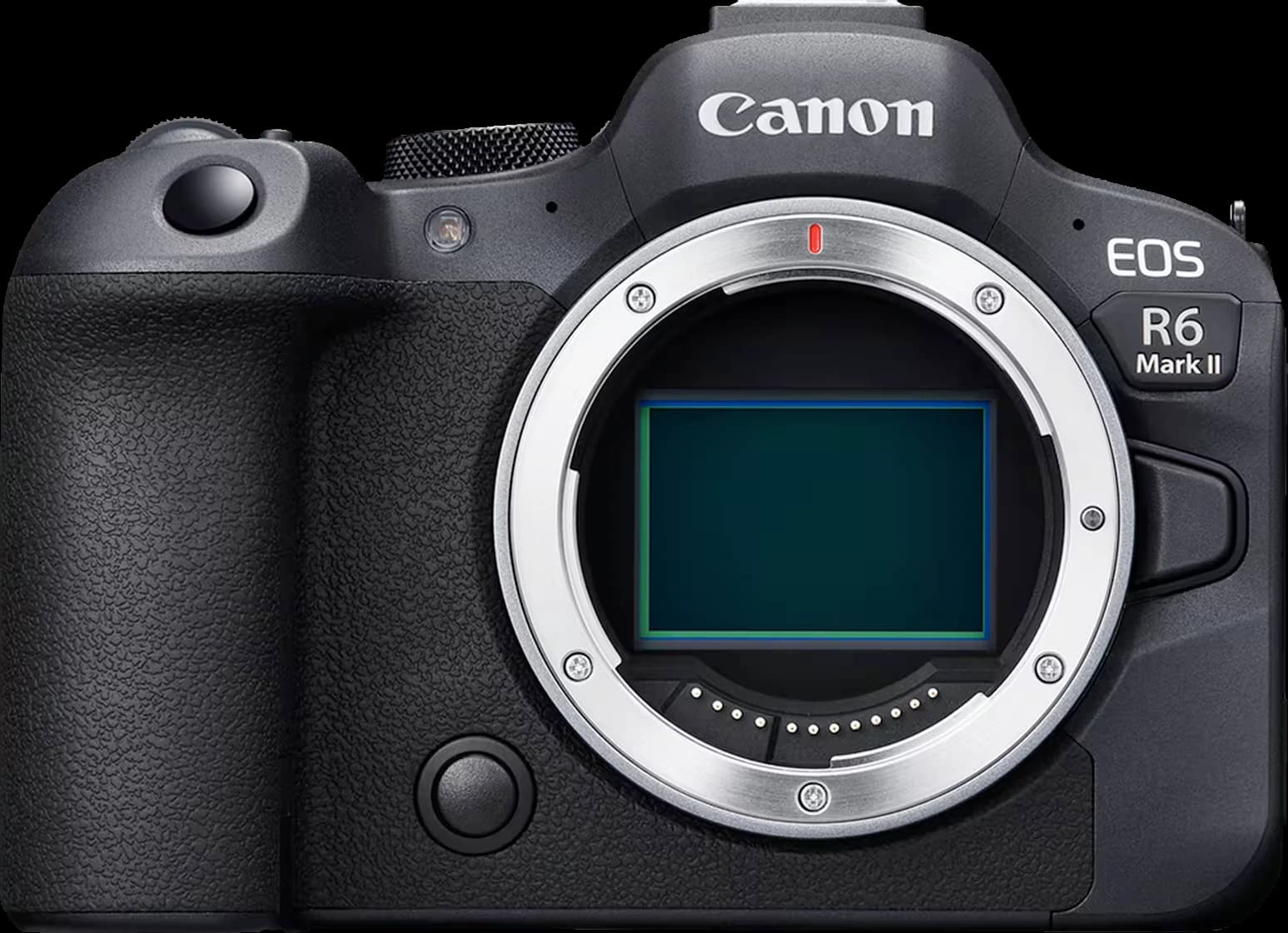
Review Canon EOS R6 Mark II: Still the Right Choice in 2026?
The Canon EOS R6 Mark II remains the most balanced general-purpose hybrid in its class for weddings, portraits and travel, provided you accept a RAW buffer limited to 75 images and video capped at 4K/60p.
Read the review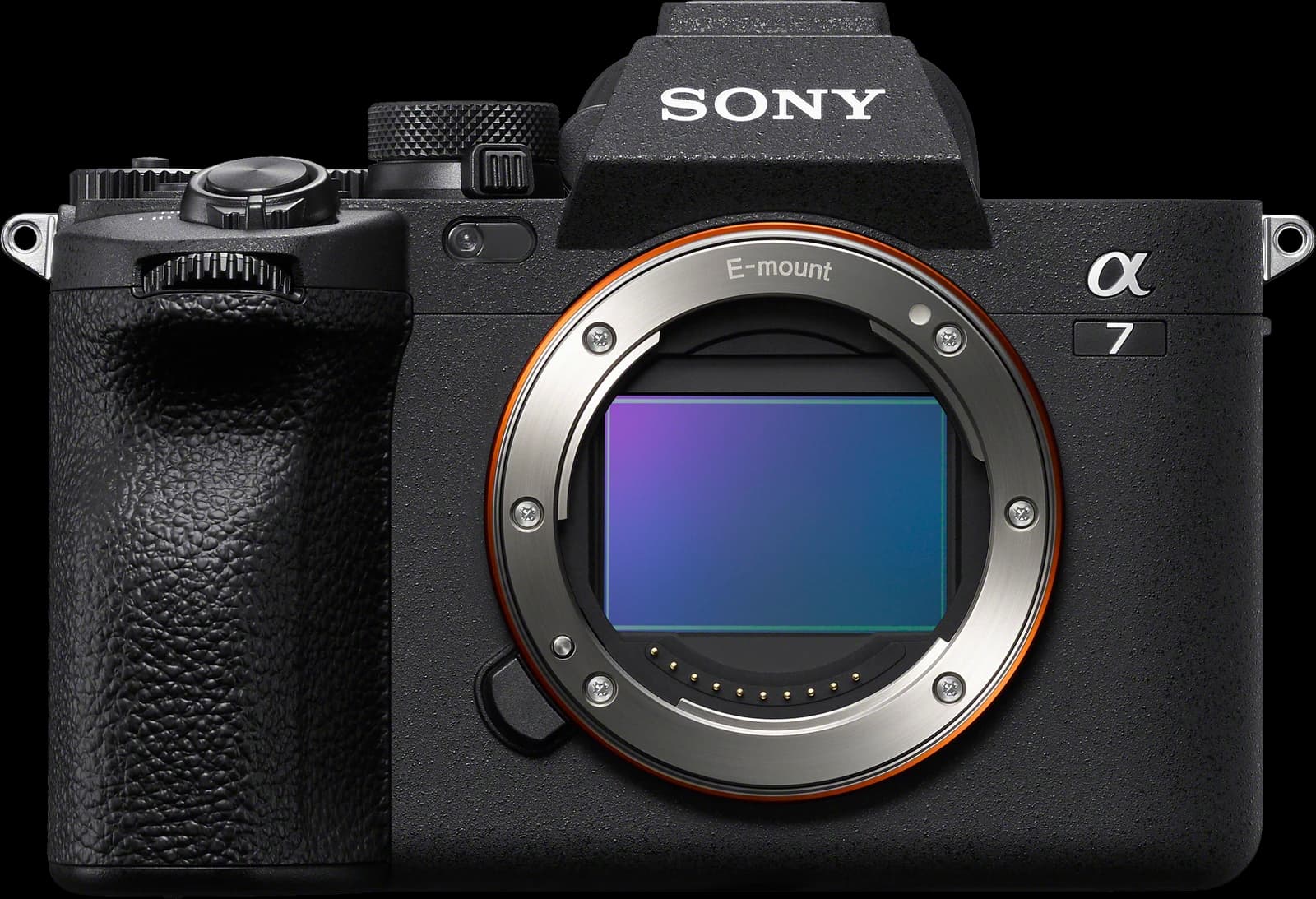
Review: Sony α7 IV – Still the Right Choice in 2026?
Full-frame all-rounder still relevant used for weddings, portraits and occasional video. New, 2023-2024 rivals offer more for the same budget.
Read the review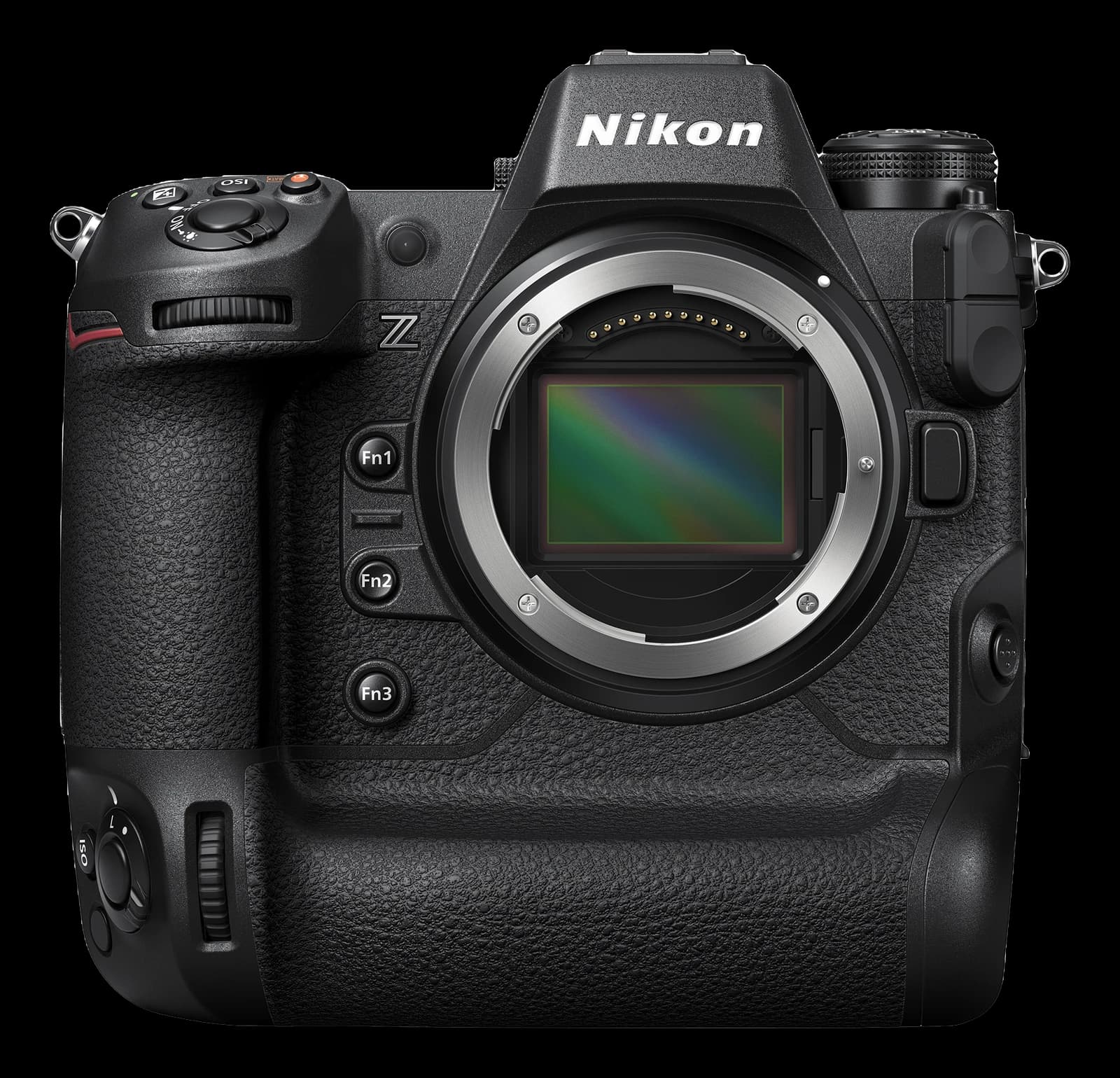
Nikon Z9 Review: Is the Nikon Flagship Still at the Top?
The Nikon Z9 remains a benchmark for professional sport and reportage thanks to its -8.5 EV AF and 1000 RAW buffer, yet the Z8 delivers the essentials for 1999 USD less.
Read the review