Nikon
Z6 III
2024
Nikon
ZR
2025
Nikon Z6 III vs Nikon ZR: Which Full-Frame Hybrid Should You Choose for Versatile Use in 2026?
Visual summary
— Reads in 5 seconds
Nikon
Z6 III
Nikon
ZR
Where to buy
— Live merchant price comparator

You'll find the best prices on the market here, updated daily — and by going through these partner links, you support Camera Duel without paying a cent more.
The arbitration in brief
The Z6 III stands out for professional video and weddings thanks to its 8-stop IBIS and unlimited recording; the ZR excels for travel and landscape with its 15 EV dynamic range and compact format.
Two Nikon Z full-frame mirrorless cameras, same mount, same 24.5-megapixel resolution, same 35.9 × 23.9 mm sensor. On paper, the confusion is complete. In practice, these two bodies are not aimed at the same photographers.
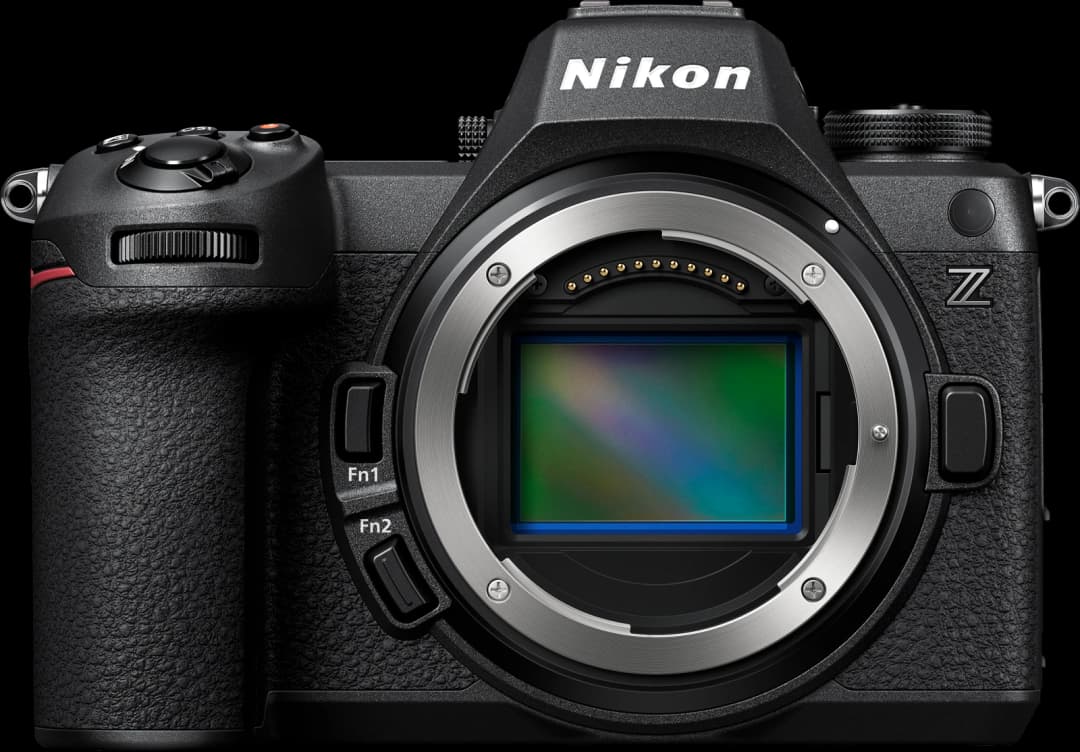
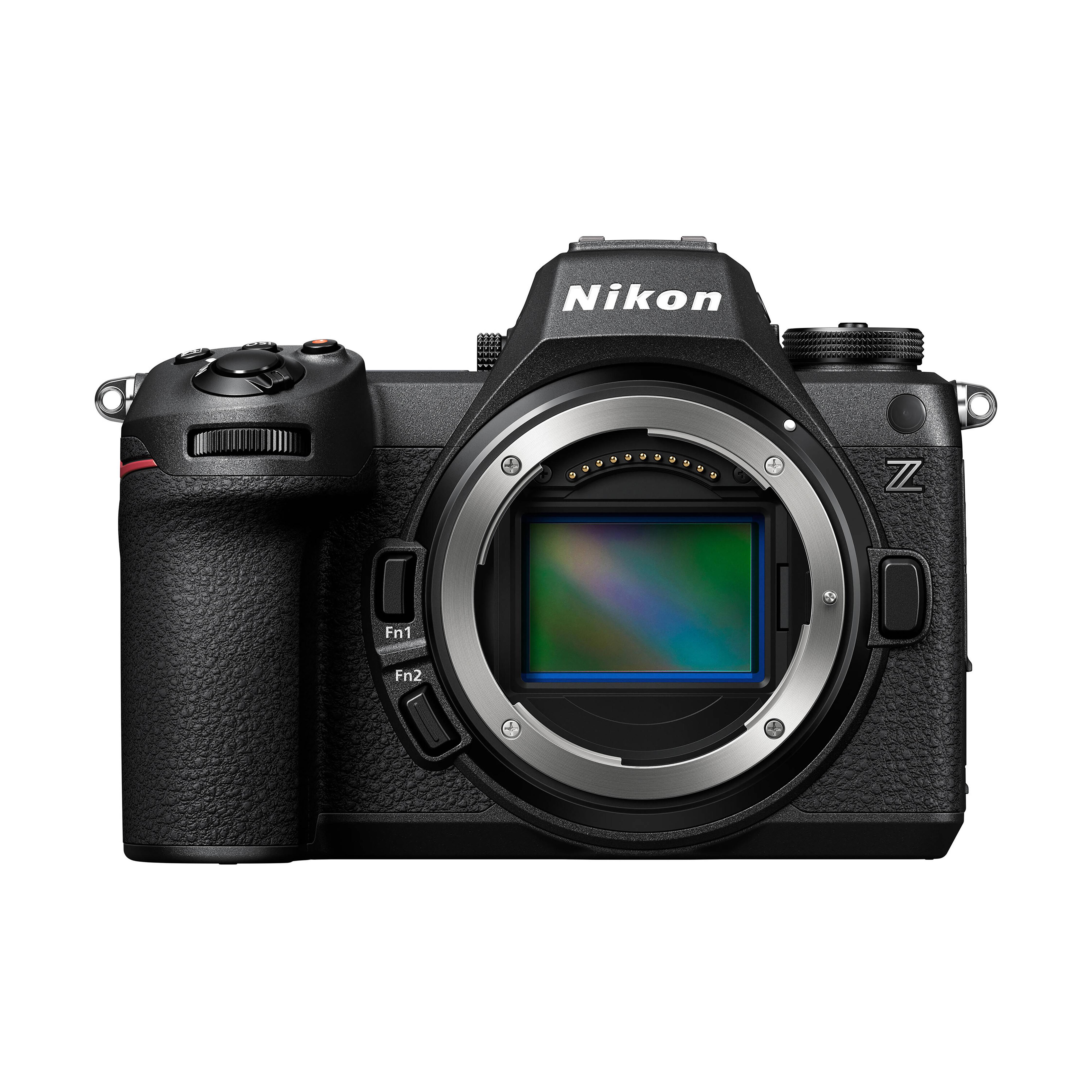
The Z6 III was released in 2024 at 2 499 USD. It is a versatile hybrid positioned at the centre of the Z range, designed to handle both reportage and semi-professional video. The direct successor to the Z6 II, it retains its DNA while pushing electronic burst rates to 120 fps and adding internal ProRes RAW recording.
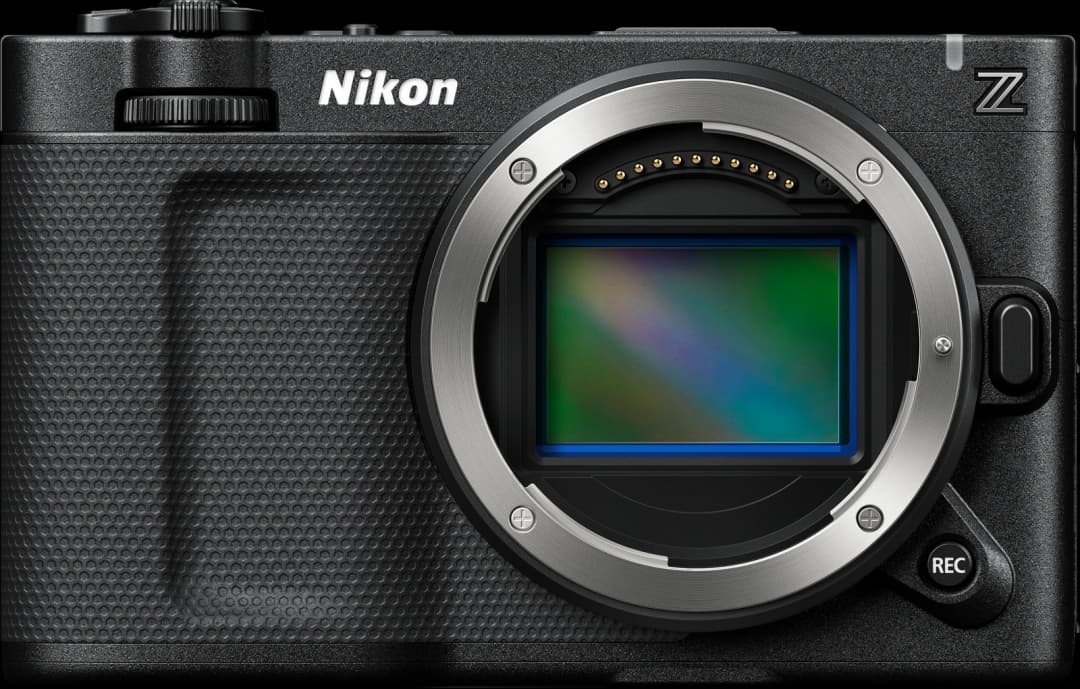
The ZR arrived in 2025 at 2 200 USD. Nikon designed it without an optical or electronic viewfinder, with a noticeably more compact body (630 g versus 760 g) and a 4-inch screen. It explicitly targets content creators, lightweight travellers and landscape photographers drawn by an exceptional sensor dynamic range announced at 15 EV.
The price difference is 299 USD in favour of the ZR. This gap must be weighed against the real compromises the ZR imposes: no viewfinder, IBIS limited to 5 stops, video recording capped at 125 minutes.
This comparison addresses four concrete questions: does the ZR’s dynamic range justify abandoning the viewfinder? Does the Z6 III’s 8-stop IBIS really change the game in difficult conditions? Which of the two performs better for long-duration video? And at a 299 USD difference, which offers the better value for money in 2026?
Standout strengths
— Where each camera shines
Nikon
Z6 III
Top advantages
- 64 000Native ISO max+25 % vs Nikon ZR
- 8 stopsIBIS rating1,6× vs Nikon ZR
- OuiOpen GateAbsent sur Nikon ZR
- OuiUnlimited recordingAbsent sur Nikon ZR
Nikon
ZR
Top advantages
- 15 EVDynamic range (EV)+43 % vs Nikon Z6 III
- OuiDual Native ISOAbsent sur Nikon Z6 III
- OuiXLR inputAbsent sur Nikon Z6 III
- Oui32-bit float audioAbsent sur Nikon Z6 III
Detailed spec-by-spec
— Round by round, the eight categories
Sensor
Autofocus
Speed & burst
Video
Stabilisation
Build
Ergonomics & screen
Connectivity & battery
Detailed analysis analysis
— Strengths, trade-offs and ideal user
Nikon Z6 III: what it does well, what it concedes
The Z6 III delivers a measured 10.5 EV dynamic range. This is a solid figure for a versatile hybrid, yet it remains behind the 15 EV announced on the ZR. In practice, this means extreme recovery in post-production in highlights or deep shadows will be less forgiving on the Z6 III. For weddings in mixed lighting or reportage indoors, the difference remains manageable. For high-contrast landscapes, it becomes penalising.
Where the Z6 III regains the advantage is stabilisation. Its IBIS is measured at 8 stops of compensation. The ZR tops out at 5 stops. In real terms, handheld in low light, the Z6 III allows significantly slower shutter speeds without risk of camera shake. I have used this level of stabilisation on night scenes in Brittany with heavy lenses: the difference between 5 and 8 stops is not anecdotal; it changes the feasibility of certain shots.
In video, the Z6 III offers unlimited recording, an open-gate mode, external ProRes RAW output, a vectorscope and full waveform. The ZR imposes a 125-minute limit. For event filming, conferences or weddings, this limit is a genuine deal-breaker. The Z6 III’s video strengths can be summarised as:
- Unlimited recording versus 125 min on the ZR.
- Open-gate mode available, absent on the ZR.
- Full scopes: waveform, vectorscope, zebras, histogram.
- Maximum bitrate of 5 780 Mb/s versus 5 000 Mb/s on the ZR.
The Z6 III also carries a mechanical shutter at 14 fps with a RAW buffer of 124 images. The ZR has no mechanical shutter. For sport or wildlife in situations where the electronic shutter can cause rolling-shutter issues, this is a concrete advantage.
For whom
The Z6 III suits the photographer or videographer who works in varied conditions and demands reliability over long periods. The event videographer who films weddings or conferences without being able to interrupt recording. The reportage photographer who moves between dark interiors and high-contrast exteriors. The hybrid creator who edits rushes in ProRes without destructive compression. This body also appeals to portrait or wedding photographers who benefit from the 8-stop IBIS with fast, long lenses. It requires accepting a weight of 760 g body-only and a larger footprint than the ZR.
Nikon ZR: what it does well, what it concedes
The most striking specification of the ZR is its announced 15 EV dynamic range. That is 4.5 EV more than the Z6 III. In landscape photography, this latitude translates into considerable recovery headroom in the highlights of an overexposed sky or the shadows of an underexposed foreground. Caution: this figure is the one announced by Nikon. It has not yet been independently verified by DXOMark or Photons to Photos at the time of writing. It should be treated with caution until confirmed.
The ZR also features dual native ISO in video, an XLR audio input and 32-bit floating-point audio recording. These three functions are absent from the Z6 III. For a videographer recording interviews or events with professional audio sources, these are direct advantages. Dual native ISO improves the signal-to-noise ratio in low light without resorting to digital amplification. The ZR’s video strengths focus on audio and low-light flexibility:
- Integrated XLR input, absent on the Z6 III.
- 32-bit floating-point audio, absent on the Z6 III.
- Dual native ISO in video, absent on the Z6 III.
- 4-inch screen at 3.07 M dots, larger and more detailed than the 3.2-inch screen at 2.10 M dots on the Z6 III.
The main concession is the complete absence of a viewfinder. The ZR offers none, neither optical nor electronic. In bright sunlight, the readability of a screen alone, even a 4-inch one, remains inferior to that of an EVF. For reportage or sport, this absence fundamentally alters shooting ergonomics. The 5-stop IBIS is also a step back. And the 125-minute video recording limit rules out long takes without interruption.
For whom
The ZR is aimed at the travel photographer who wants full-frame compactness without sacrificing image quality. Its 630 g weight and reduced dimensions (134 × 80.5 × 49 mm) make it a discreet body suited to lightweight travel and street photography. The landscape photographer who works in RAW and exploits extended dynamic range for significant post-production recovery will find a tool tailored to their needs. The documentary videographer who records interviews with an XLR audio source and does not need to exceed 125 minutes of continuous recording can also be satisfied, provided they accept the lack of a viewfinder.
Our verdict
Which one to buy, and why
The choice between these two bodies comes down to two opposing deal-breakers. For the Z6 III, the decisive advantage is unlimited video recording paired with 8-stop IBIS. For the ZR, the decisive advantage is the announced 15 EV dynamic range and XLR audio with 32-bit floating-point recording. The two profiles do not overlap.
If you film weddings, events or any situation where recording cannot be interrupted, the Z6 III is the only rational choice. The ZR’s 125-minute limit is an operational constraint, not a nuance. The 8-stop IBIS reinforces this conclusion for handheld shooting in difficult light.
If you mainly shoot landscape or travel and work in RAW with significant post-production recovery, the ZR deserves serious consideration, subject to independent confirmation of its 15 EV dynamic range. Its compact format and 630 g weight are real arguments for the itinerant photographer. The absence of a viewfinder remains a significant concession, however:
- No electronic viewfinder: reduced readability in bright sunlight.
- IBIS limited to 5 stops: less margin for handheld low-light work.
- Recording capped at 125 min: incompatible with long takes.
On value for money, the ZR is 299 USD cheaper. This difference is real but does not offset the compromises for professional video use. On the used market, the Z6 III is beginning to appear at attractive prices in 2026, which strengthens its value-to-features ratio for a patient buyer.
The Z6 III is the recommended choice for the majority of hybrid photographers. It covers more use cases without any prohibitive deal-breaker. The ZR is a relevant and deliberate choice for the lightweight traveller or landscape photographer who accepts working without a viewfinder and without long recording. It is not a compromise: it is a deliberate stance. If you are not certain you fit this precise profile, choose the Z6 III.
Frequently asked questions
Before you buy, the questions we get
Which should you choose to photograph a wedding?
The Z6 III without hesitation. Unlimited video recording is essential to cover a ceremony without interruption. The 8-stop IBIS compensates for difficult lighting conditions inside a church or at an evening reception. The ZR is capped at 125 minutes of continuous recording and its 5-stop IBIS is less effective in low light. For weddings, the ZR’s recording limit is an operational deal-breaker.
Is the absence of a viewfinder on the ZR really penalising?
Yes, in certain conditions. In bright sunlight, a screen alone, even a 4-inch one, loses readability compared with a 5.76 M-dot OLED EVF like the one on the Z6 III. For street photography, reportage or sport, the lack of a viewfinder significantly alters ergonomics. For landscape in soft light or travel indoors, the impact is smaller. It is a choice to validate according to your usual framing habits.
Are the ZR’s 15 EV of dynamic range verified?
This figure is announced by Nikon in its official specifications. At the time of publication of this article in 2026, it has not yet been independently confirmed by DXOMark, Photons to Photos or Bill Claff. The Z6 III shows a measured and verified 10.5 EV. If the ZR’s dynamic range is confirmed, the 4.5 EV gap is considerable for landscape work. Until confirmation, it is prudent not to base a purchase solely on this spec.
Does the 299 USD difference between the two bodies justify itself?
For event video or versatile hybrid use, yes. The Z6 III at 2 499 USD offers unlimited recording, 8-stop IBIS, a mechanical shutter at 14 fps and a RAW buffer of 124 images. These functions are entirely or partially missing on the ZR. For landscape or travel use without long video recording, the 299 USD gap is less obvious to justify. The used market for the Z6 III in 2026 is beginning to offer prices below the ZR’s launch price, which changes the calculation.
Which of the two will age better in the Nikon Z range?
The Z6 III benefits from a more central position in the range and a more established firmware update ecosystem. The ZR is a recent body released in 2025, whose long-term positioning in the range remains to be confirmed. Both share the Nikon Z mount, guaranteeing optical compatibility. On the software side, the Z6 III has already received several significant updates since its 2024 launch. The ZR is too recent for its support trajectory to be assessed.