Panasonic
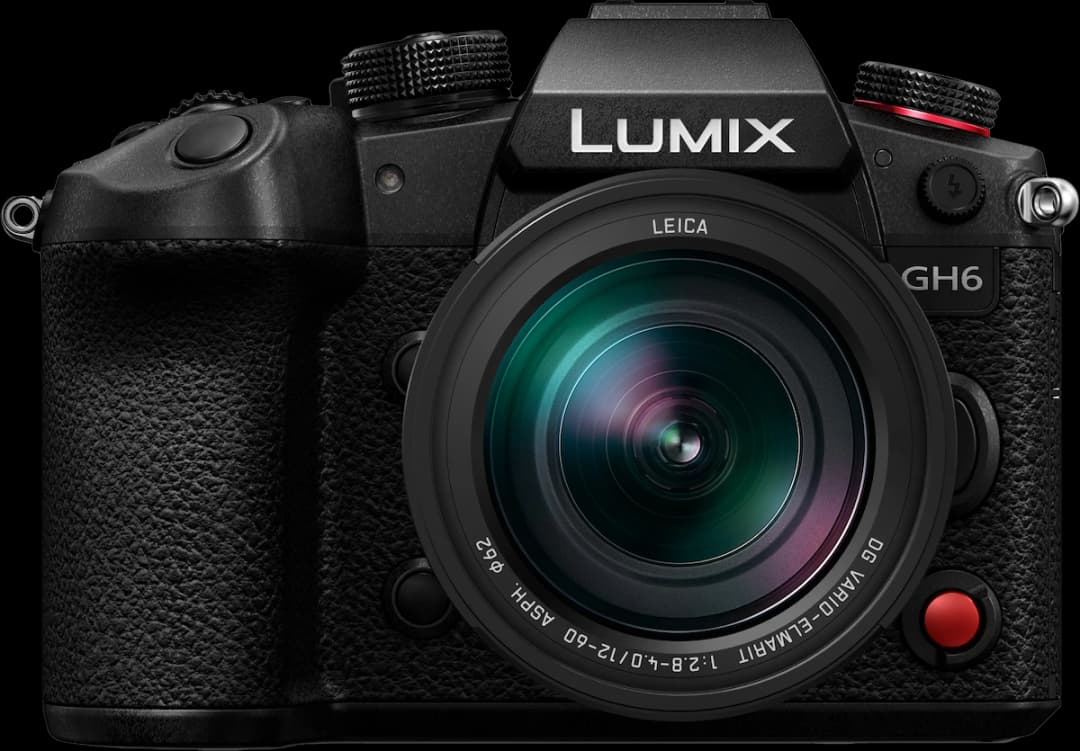
Lumix GH6
2022
Panasonic
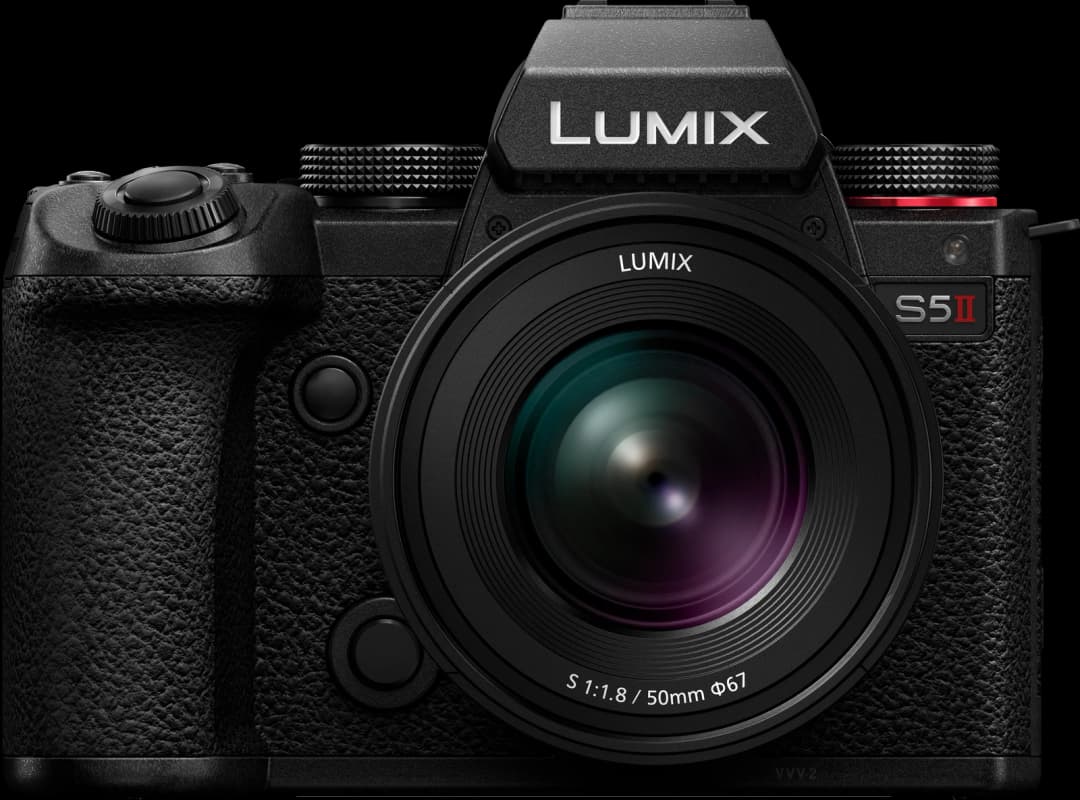
Lumix S5 II
2023
Panasonic GH6 vs S5 II: Which One to Choose in 2026 for Hybrid Photo and Video?
Visual summary
— Reads in 5 seconds
Panasonic
Lumix GH6
Panasonic
Lumix S5 II
Where to buy
— Live merchant price comparator
Panasonic Lumix GH6
Panasonic Lumix GH6 Mirrorless Camera with 12-35mm Lumix Lens + Batter
1 419 GBP · Scan Computers
Panasonic Lumix S5 II

Panasonic LUMIX DC-S5 II Full Frame Mirrorless Camera Body, 4K 60P and 6k 30P, Flip Screen, Wi-Fi, Phase Hybrid AF With 779 points, Active IS, Black
1 113,07 GBP · Amazon UK

You'll find the best prices on the market here, updated daily — and by going through these partner links, you support Camera Duel without paying a cent more.
The arbitration in brief
The S5 II stands out for photography thanks to its full-frame sensor and denser AF; the GH6 remains relevant for intensive video and extreme stabilisation.
These two Panasonic bodies share a hybrid photo-video philosophy, but they do not belong to the same world. The GH6, released in 2022, is the spearhead of the Micro Four Thirds format at Panasonic. It targets demanding videographers and photojournalists who want a compact, weather-sealed tool capable of recording unlimited 6K. Its launch price was set at 2 199 USD.
The S5 II, released in 2023, steps up to a full-frame 35,6 x 23,8 mm sensor. It is aimed at hybrid photographers who want the exposure latitude of full frame, a new-generation autofocus and versatility for weddings, portraits and travel. Its launch price was 1 999 USD, i.e. 200 USD less than the GH6 at launch.
In 2026, both bodies are available on the used market at significantly lower prices. This reversed price relationship deserves attention: the S5 II delivered more sensor for less money at launch, and its Leica L ecosystem has grown denser. The GH6, for its part, benefits from a very mature Micro Four Thirds lens range and a compactness that full frame cannot match.
This comparison settles four concrete questions: low-light image quality, autofocus relevance according to use, real-world video capability, and stabilisation. The camera-duel.com scores summarise the gap: 8,2 in photo for the S5 II versus 6,5 for the GH6, and 7,9 in video versus 6,8. The S5 II leads on paper. The question is whether this gap translates into your specific uses.
Standout strengths
— Where each camera shines
Panasonic
Lumix GH6
Top advantages
- 14 fpsMechanical burst1,6× vs Panasonic Lumix S5 II
- 240 fpsMax video fps2× vs Panasonic Lumix S5 II
- 7.5 stopsIBIS rating1,5× vs Panasonic Lumix S5 II
- 14 msRolling shutterAbsent sur Panasonic Lumix S5 II
Panasonic
Lumix S5 II
Top advantages
- 204 800Extended ISO max4× vs Panasonic Lumix GH6
- 779AF points3,5× vs Panasonic Lumix GH6
- 51 200Native ISO max2× vs Panasonic Lumix GH6
- 30 fpsElectronic burst2,1× vs Panasonic Lumix GH6
Detailed spec-by-spec
— Round by round, the eight categories
Sensor
Autofocus
Speed & burst
Video
Stabilisation
Build
Ergonomics & screen
Connectivity & battery
Detailed analysis analysis
— Strengths, trade-offs and ideal user
Panasonic Lumix GH6: what it does well, what it concedes
The GH6 is built around a 25-megapixel Micro Four Thirds sensor with a measured dynamic range of 8,8 EV. This is the main concession of the format: compared with the S5 II’s full-frame sensor and its 11,2 EV, the 2,4 EV gap translates into noticeably more limited highlight and shadow recovery in post-production. Native ISO tops out at 25 600, versus 51 200 on the S5 II. In practice, beyond 3 200 ISO, noise becomes visible on GH6 RAW files, as confirmed by DXOMark measurements.
Where the GH6 regains the upper hand is stabilisation and video. The announced 7,5-stop IBIS is the best in this comparison, against 5 stops on the S5 II. In the field, on landscapes or travel, I have verified that this compensation allows very low shutter speeds handheld, where the S5 II begins to show camera shake. For video, the GH6 reaches 240 fps versus 120 fps on the S5 II, and its measured rolling shutter of 14 ms is a published figure, which is not the case for the S5 II. The CFexpress Type B slot is also a concrete advantage for high-bitrate 6K recording.
Concessions to note:
- 8,8 EV dynamic range versus 11,2 EV: limited shadow recovery.
- Max native ISO 25 600: visible noise beyond 3 200 ISO.
- 225 AF points versus 779: lower AF density, less precise tracking on fast-moving subjects.
- Weight of 823 g: heavier than the S5 II despite the smaller sensor format.
The GH6 is first and foremost a video tool. Its photo versatility exists, but it runs into the physical limits of the MFT format in low light.
For whom
The GH6 suits the hybrid videographer who regularly shoots in demanding conditions and needs maximum stabilisation. An independent documentary maker, travel content creator or news cameraman shooting handheld in low-light environments will find the 7,5 stops of IBIS and unlimited 6K recording a hard-to-beat combination in this format. It also suits the wedding or event photographer who values the compactness of the MFT ecosystem and works mainly in controlled lighting, where the sensor’s ISO limits do not penalise results.
Panasonic Lumix S5 II: what it does well, what it concedes
The S5 II carries a 24,2-megapixel full-frame sensor with 11,2 EV of measured dynamic range. The gap with the GH6 is structural: the full-frame sensor surface (35,6 x 23,8 mm) physically captures more light per photosite. Native ISO reaches 51 200, with an extension to 204 800. In practice, this means usable files in conditions where the GH6 produces noise that is difficult to correct. Autofocus moves to 779 points with low-light detection rated at -6 EV, a figure that DPReview and Imaging Resource have confirmed as functional on static subjects.
Electronic burst reaches 30 fps with a buffer of 230 RAW images. This is well above the GH6’s 14 fps mechanical burst. For sport or wildlife, this frame rate changes the probability of catching peak action. Video remains very complete: 6K, unlimited recording, 10-bit, V-Log, and a richer catalogue of colour profiles than the GH6 (V-Gamut, Cinelike D2, Cinelike V2, Like709, Like2100). Native Dual ISO, absent on the GH6, is a real advantage for high-contrast shoots.
Concessions to note:
- 5 stops of IBIS versus 7,5 stops: inferior stabilisation for low-speed handheld shooting.
- Dual SD UHS-II slots only: no CFexpress, capped write speeds.
- Max video 120 fps versus 240 fps: less extreme slow motion.
- Leica L ecosystem newer than the MFT range: fewer affordable native lenses on the used market.
The S5 II is first and foremost a photo body, video second. Its camera-duel.com scores (8,2 in photo, 7,9 in video) reflect this balance.
For whom
The S5 II is aimed at the hybrid photographer who wants a single body to cover weddings, portraits and corporate or event video. A wedding photographer working in difficult reception lighting will benefit directly from the 51 200 native ISO and 779 AF points. A travel photographer who wants latitude in post-production on landscapes will appreciate the 11,2 EV of dynamic range. This body also suits the videographer who values the richness of colour profiles and native Dual ISO for high-contrast shoots.
Our verdict
Which one to buy, and why
The S5 II wins this comparison on photo uses. The dynamic-range gap (11,2 EV versus 8,8 EV) and native ISO (51 200 versus 25 600) are not cosmetic differences. They translate into recoverable files in situations where the GH6 clips or blocks up. For weddings, low-light portraits and travel, the S5 II is the rational choice.
The GH6 retains two real advantages:
- 7,5 stops of IBIS versus 5 stops: the difference is measurable in the field on long exposures or run-and-gun video.
- 240 fps video versus 120 fps: for extreme slow motion, the GH6 has no equal in this comparison.
- CFexpress Type B slot: superior write speeds for heavy 6K workflows.
The GH6’s deal-breaker is its MFT sensor in low light. If your dominant use involves ISO above 3 200, the GH6 will limit you. This is not a question of settings or post-processing: it is a physical limit of the format.
The S5 II’s deal-breaker is its dual SD UHS-II slots. For a body positioned as a pro hybrid tool, the absence of CFexpress is a concession that intensive videographers will feel at high bitrates.
On value for money in 2026: both bodies are found on the used market between 900 and 1 300 USD depending on condition. At this price level, the S5 II represents exceptional value for a full-frame body with hybrid phase-detect AF. Used GH6 bodies remain relevant only if you are already invested in the MFT ecosystem or if high-frame-rate video is your absolute priority.
Clear verdict: choose the S5 II. It covers the dominant photo uses in this comparison (wedding, portrait, travel) better and its lead in dynamic range and native ISO is structural, not recoverable by settings. The GH6 is a specialised video tool. If you are looking for a generalist hybrid body in 2026, the S5 II is the more durable choice.
Frequently asked questions
Before you buy, the questions we get
Which one to choose for weddings?
The S5 II is the appropriate choice for weddings. Indoor ceremonies and candlelit receptions demand high ISO. The S5 II reaches 51 200 native ISO versus 25 600 on the GH6, and its 11,2 EV dynamic range allows recovery of window highlights without sacrificing foreground shadows. Its 779 AF points with eye detection are also more reliable on moving subjects in mixed conditions. The GH6 can cover a wedding, but it shows its limits as soon as light drops below comfortable 800 ISO.
Does the GH6’s autofocus catch up with the S5 II for sport or wildlife?
No. The gap is structural. The GH6 has 225 AF points versus 779 on the S5 II, and no low-light detection figure is published for the GH6. The S5 II claims -6 EV, confirmed by independent tests. For sport or wildlife, the S5 II’s 30 fps electronic burst with a 230-image RAW buffer also surpasses the GH6’s 14 fps. On these uses, I have no personal field feedback on the S5 II, but data published by DPReview and Imaging Resource converge unambiguously in favour of the S5 II.
Is the GH6 really better than the S5 II for video?
On certain specific criteria, yes. The GH6 reaches 240 fps versus 120 fps on the S5 II, which is decisive for extreme slow motion. Its rolling shutter is measured at 14 ms, a published value that the S5 II has not communicated. Its CFexpress Type B slot handles high-bitrate 6K better. On the other hand, the S5 II has native Dual ISO, absent on the GH6, and a richer catalogue of colour profiles. For standard narrative or corporate video, the gap is small. For slow motion and handheld shooting, the GH6 keeps the advantage thanks to its 7,5 stops of IBIS and 240 fps.
Is the price difference between the two bodies justified?
At launch, the GH6 cost 200 USD more than the S5 II, which is paradoxical given the specs. In 2026, on the used market, both bodies trade in a similar range. At equivalent prices, the S5 II offers a full-frame sensor with 2,4 EV extra dynamic range and twice the AF points. The only justification for paying more for the GH6 would be an existing investment in the MFT ecosystem or a specific need for 240 fps slow motion. In all other cases, the S5 II represents better value.
Which body will age better over the coming years?
The S5 II has the advantage on ecosystem durability. The Leica L mount is shared with Leica and Sigma, and its lens range continues to grow. The 11,2 EV dynamic range and 51 200 native ISO remain competitive values against current hybrid bodies. The GH6 relies on the MFT mount, mature but with slowing development at Panasonic. Its 8,8 EV sensor is beginning to show its age against 2026 full-frame standards. For a multi-year investment, the S5 II is better positioned.