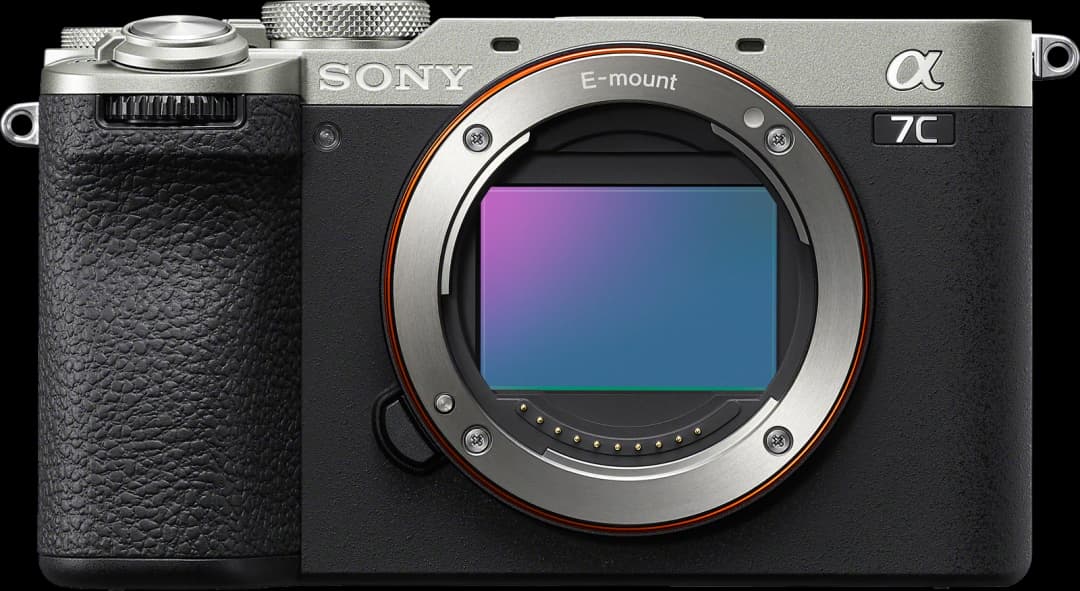
Sony
α7C II
2023
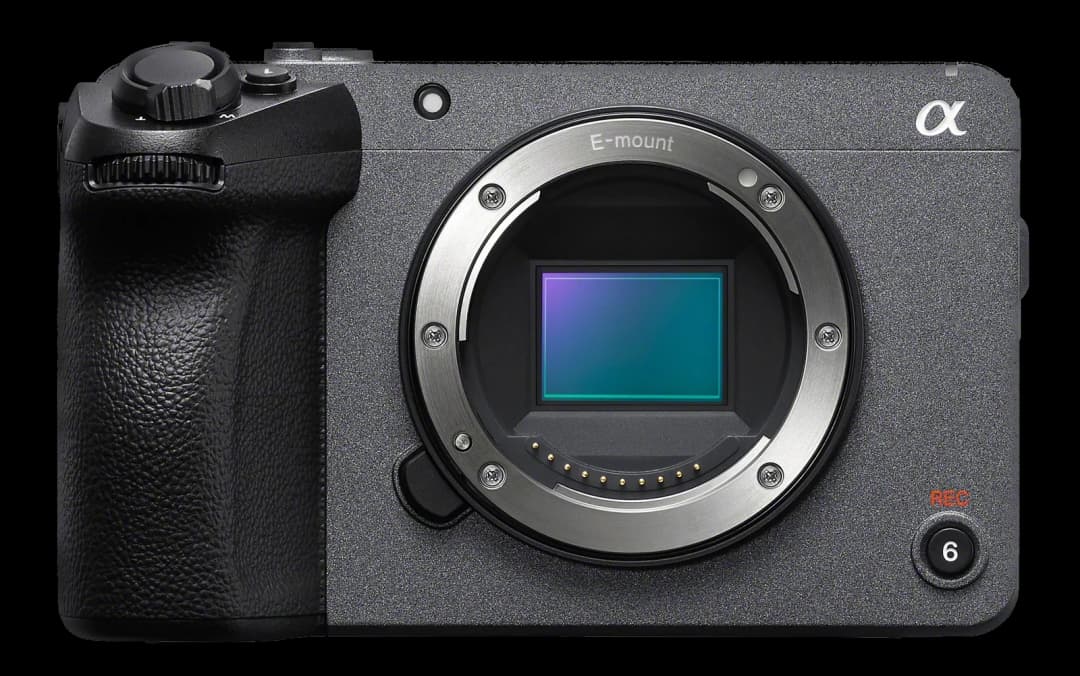
Sony
FX30
2022
Sony α7C II vs Sony FX30: Versatile Full Frame or APS-C Video Workhorse?
Visual summary
— Reads in 5 seconds
Sony
α7C II
Sony
FX30
The arbitration in brief
Choose the α7C II for photography and hybrid travel, the FX30 for professional video and demanding shoots.
These two bodies share the Sony E mount, weather sealing and a hybrid positioning. Yet they do not target the same buyer.
The α7C II was released in 2023 at 2 200 USD. It is a compact full-frame hybrid, direct successor to the original α7C. It targets the travel or portrait photographer who wants a discreet body without sacrificing image quality. Its 33-megapixel full-frame sensor 35.6 × 23.8 mm places it in the all-rounder category.
The FX30 was released in 2022 at 1 800 USD. It is a body from Sony's Cinema Line range, built around an APS-C 26-megapixel sensor. It inherits the ergonomics and video tools from the FX range, with dual CFexpress Type A and SD UHS-II slots, a built-in XLR port and a full-size HDMI output. It targets the semi-professional videographer or documentarian working in a light crew.
The launch price difference is 400 USD in favour of the FX30. On the used market in 2026, this gap has narrowed, making the comparison even more relevant.
This comparison settles three concrete questions: which produces the best still images, which offers the most complete video workflow, and which justifies its price according to your dominant use.
Standout strengths
— Where each camera shines
Sony
α7C II
Top advantages
- 204 800Extended ISO max2× vs Sony FX30
- 51 200Native ISO max1,6× vs Sony FX30
- 33 MPMegapixels+27 % vs Sony FX30
- 7 stopsIBIS rating+27 % vs Sony FX30
Sony
FX30
Top advantages
- 1000RAW buffer22,7× vs Sony α7C II
- 120 fpsMax video fps2× vs Sony α7C II
- 14 EVDynamic range (EV)+20 % vs Sony α7C II
- OuiDual Native ISOAbsent sur Sony α7C II
Detailed spec-by-spec
— Round by round, the eight categories
Sensor
Autofocus
Speed & burst
Video
Stabilisation
Build
Ergonomics & screen
Connectivity & battery
Detailed analysis analysis
— Strengths, trade-offs and ideal user
Sony α7C II: what it does well, what it concedes
The full-frame 35.6 × 23.8 mm sensor of the α7C II is its central argument. With 33 megapixels and a dynamic range measured at 11.7 EV, it offers solid latitude for cropping and post-processing in portrait and landscape work. Native ISO reaches 51 200, allowing sensitivity increases without entering extended mode. Extended ISO reaches 204 800, useful as a last resort. These figures place the α7C II clearly above the FX30 in native low light.
Autofocus covers 94 % of the sensor with 759 points, human and animal eye detection, and a low-light limit of -4 EV. This last figure is a concrete advantage over the FX30, limited to -3 EV. IBIS compensates 7 stops, versus 5.5 stops on the FX30. In practice, I have verified in the field that 7 stops of IBIS allow handheld shooting at speeds below 1/10 s in stabilised conditions, which genuinely changes the game for indoor travel photography.
The concessions are real. RAW buffer tops out at 44 images, versus 1 000 on the FX30. In sustained burst, the α7C II saturates quickly. The card slot is single, SD UHS-II only, without CFexpress. This is a deal-breaker for any professional workflow requiring redundant backup.
Strengths in summary:
- 33 MP full frame for cropping and large-format prints.
- Native ISO 51 200 and IBIS 7 stops for low light.
- -4 EV low-light AF, the best of the two.
- Weight of 514 g, the most compact of the pair.
For video, the α7C II records 4K 60p 10-bit S-Log3, with no crop in 4K. It is competent, but the FX30 pushes to 120 fps and carries pro tools absent here.
For whom
The α7C II suits the hybrid photographer who places stills at the centre of their use. The traveller who wants a discreet full-frame body (514 g, 124 × 71 × 63 mm) with uncompromising image quality. The portraitist working in variable light who will benefit from 7 stops of IBIS and native ISO 51 200. The occasional videographer shooting vlogs or short films without professional workflow requirements. This body is not made for crew-based shooting, sustained-burst sports, or productions requiring storage redundancy.
Sony FX30: what it does well, what it concedes
The FX30 is built for video. Its APS-C 26-megapixel sensor displays a dynamic range measured at 14 EV, or 2.3 EV more than the α7C II. This is the most striking spec of the comparison on the sensor side. In practice, this extra latitude translates into greater highlight recovery in S-Log3, a direct advantage in high-contrast exteriors or mixed interiors.
The FX30 reaches 120 fps in DCI 4K, versus 60 fps on the α7C II. It supports external RAW recording in ProRes RAW and Blackmagic RAW via HDMI, a feature absent on the α7C II. It carries a native XLR port, full-size HDMI output (Type A), dual CFexpress Type A and SD UHS-II slots, and USB-C 3.2 Gen2 at 10 Gbps. Rolling shutter is measured at 15 ms, a documented value. RAW buffer reaches 1 000 images, making buffer saturation practically non-existent.
The concessions are also significant. There is no electronic viewfinder. The screen reaches 2 360 000 dots, but working without an EVF in bright sun remains constraining. Weight rises to 646 g for dimensions 129.7 × 77.8 × 84.5 mm, making it less discreet for travel. IBIS compensates only 5.5 stops, and low-light AF stops at -3 EV.
Strengths in summary:
- 14 EV dynamic range, the best of the two.
- 120 fps in DCI 4K and external RAW ProRes RAW / Blackmagic RAW.
- Dual CFexpress Type A and SD UHS-II slots for redundancy.
- Built-in XLR port and full-size HDMI for crew-based shooting.
In stills, the FX30 remains capable. Its 26 MP APS-C allows large-format prints and cropping. Yet its stills score of 5.8/10 versus 7.8/10 for the α7C II reflects objective limits in low light and sensor dynamic range for pure stills use.
For whom
The FX30 is made for the videographer working in semi-professional conditions. The documentarian or content creator shooting with a light crew, including a sound recordist or external monitor. The independent director needing external RAW, 120 fps and an XLR audio workflow without adapters. The landscape photographer who values the 14 EV dynamic range for high-contrast scenes. This body is not suited to the photographer working primarily in low light, nor to anyone needing an electronic viewfinder for framing in bright sun.
Our verdict
Which one to buy, and why
The choice turns on dominant use, but a clear arbitration exists.
For stills, the α7C II wins unambiguously. Its 33 MP full-frame sensor, native ISO 51 200, 7 stops of IBIS and -4 EV AF form a combination the FX30 cannot match. The 11.7 EV dynamic range is lower than the FX30's 14 EV, but the gap is offset by sensor size and high-ISO performance. Stills score 7.8/10 versus 5.8/10: the difference is significant.
For professional video, the FX30 takes the lead. The arguments are quantified and non-negotiable:
- 120 fps in DCI 4K versus 60 fps.
- 14 EV dynamic range for S-Log3 recovery.
- External RAW ProRes RAW and Blackmagic RAW, absent on the α7C II.
- Dual slots and native XLR for crew-based shooting.
The deal-breaker for the α7C II is its single SD UHS-II slot. For any professional use, the lack of redundancy is prohibitive. The deal-breaker for the FX30 is the absence of an electronic viewfinder. In stills or solo outdoor shooting, the screen alone shows its limits.
On value for money in 2026, the FX30 has depreciated faster on the used market, having launched in 2022. It is regularly found between 900 and 1 100 USD used in good condition. The α7C II, more recent (2023), trades around 1 500 to 1 700 USD. The real used gap exceeds the 400 USD at launch, reinforcing the FX30's appeal for a videographer on a tight budget.
My clear verdict: choose the α7C II if you photograph more than you film. It is the best compact full-frame body in this price range for travel and portraiture. Choose the FX30 if video represents more than 60 % of your use and you work with sound or an external monitor. The FX30 is a production tool. The α7C II is a versatile body. They are not the same professions.
Frequently asked questions
Before you buy, the questions we get
Which to choose for a wedding?
The α7C II is better suited to weddings. Its 33 MP full-frame sensor, 7 stops of IBIS and -4 EV AF cover the difficult conditions of an indoor ceremony in low light. Burst is limited to 10 fps with a 44-image RAW buffer, which requires disciplined triggering. The deal-breaker remains the single slot: in professional wedding work, the lack of redundancy is a real risk. If you are a professional wedding photographer, a dual-slot body such as the FX30 or another α7-series model is preferable. For semi-professional or associative use, the α7C II remains the better choice of the two.
Can the FX30 replace a stills body for landscape?
Partially. Its 14 EV dynamic range is the best of the two bodies and represents a real advantage for high-contrast scenes such as sunsets or interiors with windows. Its 26 MP APS-C allows prints up to approximately 60 × 40 cm without interpolation. Conversely, its APS-C sensor imposes a 1.5× crop factor on wide-angle lenses, complicating composition in wide landscapes. The absence of an electronic viewfinder is also constraining in bright sun. For pure landscape work, the α7C II remains more versatile despite 2.3 EV lower dynamic range.
Does the 400 USD launch gap justify itself?
It depends on use, but here are the facts. The α7C II cost 2 200 USD versus 1 800 USD for the FX30. For an extra 400 USD, you obtain a full-frame sensor, 7 stops of IBIS versus 5.5, native ISO 51 200 versus 32 000, and a 2.36 M-dot EVF. You lose dual slots, XLR, 120 fps and 14 EV dynamic range. In 2026 on the used market, the FX30 is found around 900 to 1 100 USD and the α7C II around 1 500 to 1 700 USD. The real gap exceeds the initial 400 USD. If video dominates your use, the used FX30 is a bargain. If stills dominate, the α7C II justifies its price.
Which ages better in the long term?
The α7C II was released in 2023, the FX30 in 2022. The α7C II benefits from a more recent firmware generation and a full-frame sensor that retains value longer in the Sony ecosystem. The FX30 belongs to the Cinema Line, whose firmware updates have historically been regular at Sony. Its dual CFexpress Type A slot makes it more compatible with current fast cards. On the software side, both bodies still receive updates in 2026. On the hardware side, the full-frame sensor of the α7C II resists obsolescence better for general stills use. The FX30 remains relevant for video as long as external RAW and 120 fps remain production standards.
Can the FX30 be used without a viewfinder in real conditions?
Yes, with reservations. The FX30 screen reaches 2 360 000 dots, a noticeably higher resolution than the α7C II (1 036 800 dots). Indoors or in diffuse light, the screen is legible and sufficient. In direct bright sun, the absence of an EVF becomes a real handicap for focusing and exposure evaluation. Videographers using the FX30 outdoors often add an external monitor or a loupe. For travel stills photography in bright sun, the lack of a viewfinder is a deal-breaker. For studio or indoor shooting, it is not a problem.