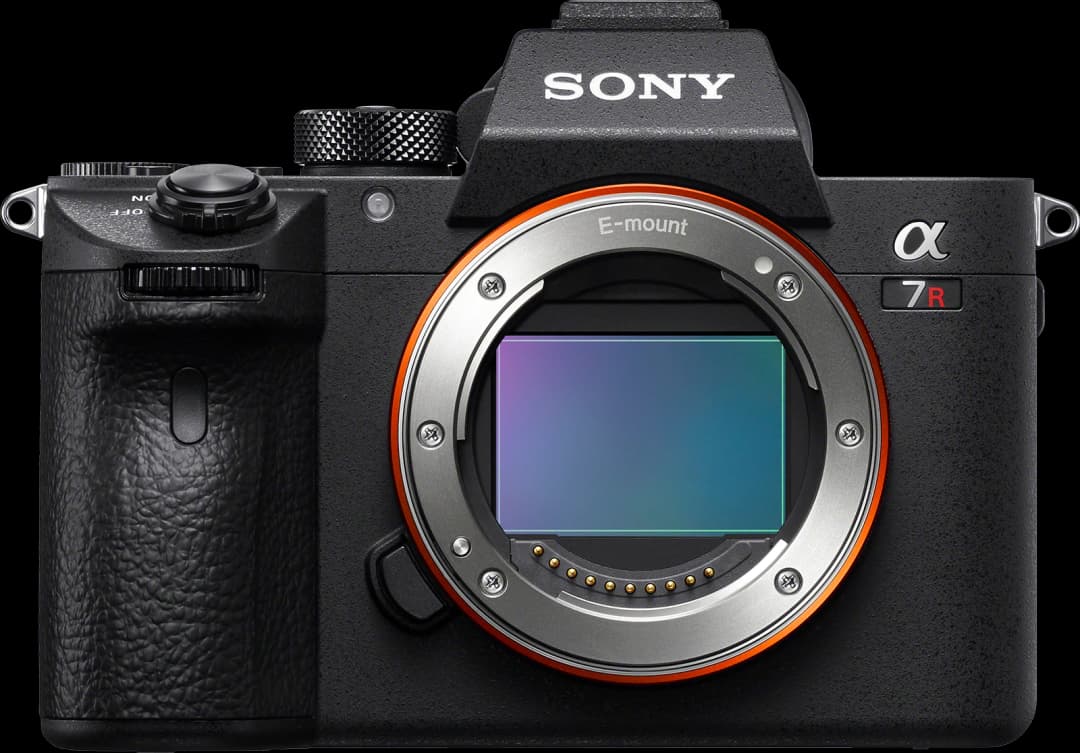
Sony
α7R III A
2019
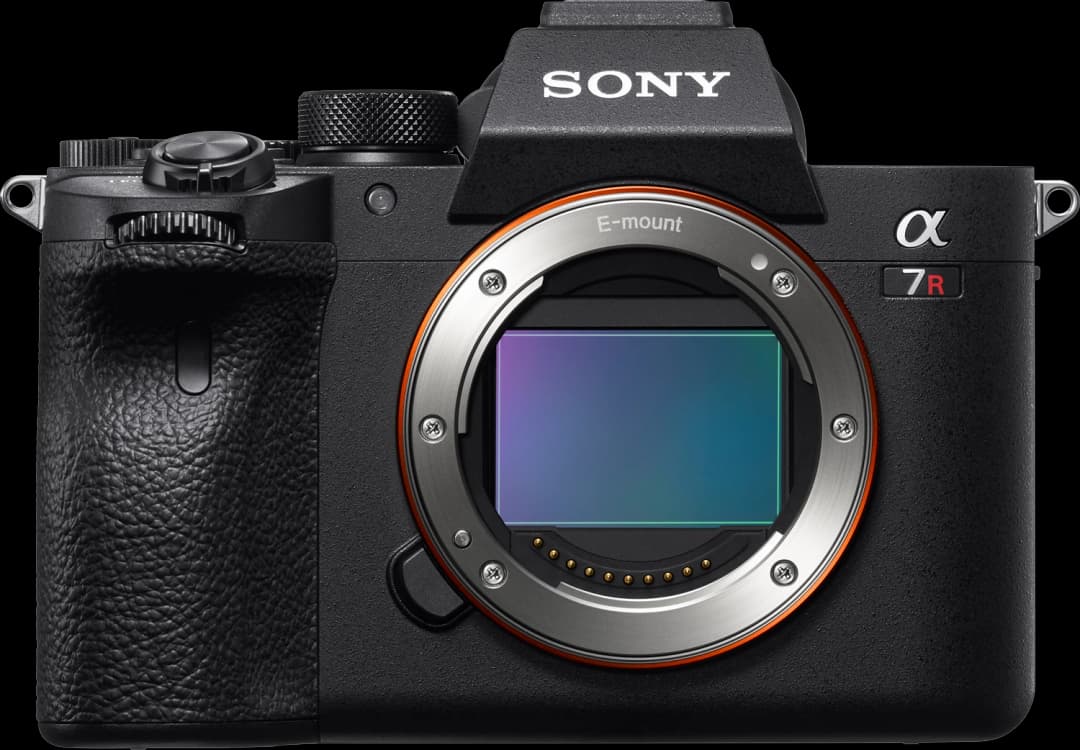
Sony
α7R IV
2019
Sony α7R III A vs α7R IV: Which One Still Deserves Your Money in 2026?
Visual summary
— Reads in 5 seconds
Sony
α7R III A
Sony
α7R IV
The arbitration in brief
The α7R IV stands out for resolution and AF coverage, but the α7R III A holds its own thanks to its superior dynamic range and deeper buffer: choose the IV for studio and portrait, the III A for landscape and difficult light.
Two full-frame Sony bodies, released the same year (2019), in the same high-resolution range. On paper the duel looks lopsided: the α7R IV carries 61 megapixels against 42.4 MP for the α7R III A, a 44 % gap in raw resolution. Yet in 2026 both cameras coexist on the used market and sometimes new, at prices that have shifted markedly since their original launch prices of 3 199 USD and 3 500 USD.
Both bodies target demanding photographers: portrait, wedding, landscape and travel shooters. They share the Sony E mount, 5.5-stop IBIS, weather-sealing, dual SD slots and 10 fps burst. The resemblance ends where the specs diverge: dynamic range, AF coverage, viewfinder resolution and buffer depth.
This comparison weighs those differences point by point. It answers a practical question: in 2026, which of these two bodies justifies its price for your main use? The answer is not the same for a landscape photographer shooting the Breton coast in the rain as it is for a studio portraitist who needs every last detail in an 80 × 100 cm print.
Standout strengths
— Where each camera shines
Sony
α7R III A
Top advantages
- 14.7 EVDynamic range (EV)+27 % vs Sony α7R IV
- 76RAW buffer+12 % vs Sony α7R IV
- 657 gWeight+1 % vs Sony α7R IV
Sony
α7R IV
Top advantages
- 61 MPMegapixels+44 % vs Sony α7R III A
- 567AF points+42 % vs Sony α7R III A
- 93 %AF coverage+37 % vs Sony α7R III A
- OuiXLR inputAbsent sur Sony α7R III A
Detailed spec-by-spec
— Round by round, the eight categories
Sensor
Autofocus
Speed & burst
Video
Stabilisation
Build
Ergonomics & screen
Connectivity & battery
Detailed analysis analysis
— Strengths, trade-offs and ideal user
Sony α7R III A: what it does well, what it concedes
The α7R III A is built around a BSI-CMOS 42.4-megapixel sensor whose measured dynamic range reaches 14.7 EV (DXOMark, base ISO 100). This is its strongest card against the IV. In practice, 14.7 EV lets you recover blown highlights or blocked shadows in post without visible artefacts. For landscape in high-contrast light, sky and foreground in the same frame, the 3.1 EV gap versus the IV is not cosmetic: it changes your RAW workflow. I have seen it myself on coastal scenes in Brittany where the difference between sky and water regularly exceeds 10 EV.
On speed, the α7R III A sustains 76 RAW frames in the buffer versus 68 for the IV. The margin is modest but real on long 10 fps bursts. The body also offers dual SD UHS-II plus UHS-I slots, less capable than the IV’s dual UHS-II for simultaneous backup, yet adequate for redundancy.
The compromises are clear:
- 399 AF points versus 567, with coverage of only 68 % of the frame versus 93 %.
- EVF at 3 686 400 dots versus 5 760 000: the difference is visible to the eye on fine detail.
- LCD at 1 440 000 dots versus 2 359 296: less precise for manual focus.
The α7R III A remains a serious tool in 2026, especially on the used market where its price has dropped sharply. It does show its age on AF and viewfinder ergonomics.
For whom
The α7R III A suits the landscape and travel photographer who values post-processing latitude over raw pixel count. Its 14.7 EV dynamic range is its main strength. It also suits the wedding photographer working in difficult light who does not need extreme AF coverage. Its 76-frame RAW buffer provides reassurance on long sequences. In 2026 it is mainly a body to consider used, for a tight budget that refuses to sacrifice core image quality.
Sony α7R IV: what it does well, what it concedes
The α7R IV carries a BSI-CMOS 61-megapixel sensor on a 35.7 × 23.8 mm surface. This spec shapes everything else. In print, 61 MP allow formats larger than 80 × 120 cm without interpolation. In cropping, you still have a usable image after a 50 % area cut, leaving 30 MP effective. For portrait and wedding work this reserve of detail is a real safety net.
The AF of the α7R IV is clearly superior on two measurable counts:
- 567 AF points versus 399, a 42 % increase.
- Coverage of 93 % of the frame versus 68 %, so subjects at the edge are covered without recomposing.
The OLED viewfinder reaches 5 760 000 dots versus 3 686 400 on the III A. In practice, manual focus on eyes or eyelashes is more precise. The LCD rises to 2 359 296 dots versus 1 440 000: checking sharpness after capture is more reliable in the field.
The IV’s compromises are real. Measured dynamic range drops to 11.6 EV (DXOMark, base ISO 100), 3.1 EV less than the III A. That is a significant gap for landscape or any high-contrast situation. The buffer falls to 68 RAW frames. The reduced dynamic range demands more careful exposure in difficult conditions.
For whom
The α7R IV is made for the portrait and wedding photographer working in studio or controlled light. The 61 MP and 93 % AF coverage are its two dominant arguments in these contexts. It also suits the travel photographer who prioritises resolution for large prints. On the other hand it requires stricter exposure discipline in high-contrast outdoor scenes because of its 11.6 EV dynamic range.
Our verdict
Which one to buy, and why
The duel plays out on two opposing axes: resolution and AF coverage on one side, dynamic range and buffer on the other. These axes are not equivalent depending on use.
For studio portrait, indoor wedding or soft-light travel, the α7R IV is the logical choice. Its 61 MP give an unmatched cropping reserve in this matchup. Its 93 % AF coverage removes the need to recompose for off-centre subjects. Its 5 760 000-dot viewfinder improves manual-focus precision in practice. These three points together justify the original 301 USD price gap at launch.
For landscape, high-contrast natural light, difficult conditions (mist, back-light, dawn and dusk), the α7R III A regains the advantage. Its 14.7 EV versus 11.6 EV represents a 3.1 EV gap: that is the difference between recovering an overexposed sky or losing it for good. Its 76-frame RAW buffer versus 68 is a secondary but real benefit on long bursts.
Deal-breakers to identify before buying:
- If you work in very high-contrast outdoor light, the IV’s 11.6 EV dynamic range is a concrete limitation.
- If you photograph moving subjects at the edge of the frame, the III A’s 68 % AF coverage is a real constraint.
- Dual SD UHS-II on both cards of the IV is a logistical advantage in the field compared with the III A’s secondary UHS-I slot.
In 2026 both bodies appear on the used market at prices well below launch. The α7R III A trades around 1 200 to 1 500 EUR depending on condition, the IV around 1 800 to 2 200 EUR. The roughly 600 EUR gap used is justified for an active portrait or wedding photographer. For a landscape or travel photographer in difficult light, paying more for lower dynamic range makes no sense.
My verdict: choose the α7R IV if your main work is portrait or wedding. Choose the α7R III A if you mainly shoot outdoors with high contrast and if budget is a concern. The 14.7 EV dynamic range remains, in 2026, a technical argument that is hard to ignore.
Frequently asked questions
Before you buy, the questions we get
Which one to choose for wedding photography?
The α7R IV wins for weddings. Its 93 % AF coverage covers subjects at the edge of the frame without recomposing, decisive during dynamic sequences (procession, dancing). Its 61 MP allow heavy cropping without losing quality for large prints. The 11.6 EV dynamic range is sufficient indoors or in controlled light. The α7R III A remains a viable used option if budget is tight, but the 68 % AF coverage demands more careful framing.
Is the 3.1 EV dynamic-range gap between the two bodies really visible in practice?
Yes, and significantly so. 14.7 EV versus 11.6 EV (DXOMark at base ISO 100) represents roughly two stops of extra latitude when recovering highlights or shadows. In landscape with a bright sky and dark foreground, the α7R III A tolerates less precise exposure and offers more margin in post-processing. The α7R IV demands stricter exposure or HDR bracketing to compensate.
Does the α7R IV age better than the α7R III A in 2026?
On resolution, yes: 61 MP remain competitive against current bodies in the segment. The 93 % AF coverage and 5 760 000-dot viewfinder are also specs that have aged better. Conversely, the IV’s 11.6 EV dynamic range is a structural weakness that firmware updates do not fix. The α7R III A ages less gracefully on AF and viewfinder ergonomics, but its 14.7 EV dynamic range remains a solid asset in 2026.
Can these bodies be used for professional video?
Neither is a professional video tool in the strict sense. Both are limited to 4K 30 fps in 8-bit 4:2:0, with no unlimited recording (capped at 30 minutes) and no active cooling. The α7R IV offers an on-screen histogram and XLR audio input (with accessories), giving it a slight edge for documentary work. The video scores from camera-duel.com confirm this modest gap: 5.3 versus 5.1. For professional video these two bodies are not the right choice in 2026.
On the used market, does the price gap between the two still make sense?
In 2026 the α7R III A trades around 1 200 to 1 500 EUR in good condition, the α7R IV around 1 800 to 2 200 EUR. The roughly 600 EUR gap is justified for an active portrait or wedding photographer who regularly exploits the 61 MP and 93 % AF coverage. For a landscape or travel photographer in difficult light, paying 600 EUR more to obtain 3.1 EV less dynamic range makes no sense. In that case the α7R III A used is the better value of the two.