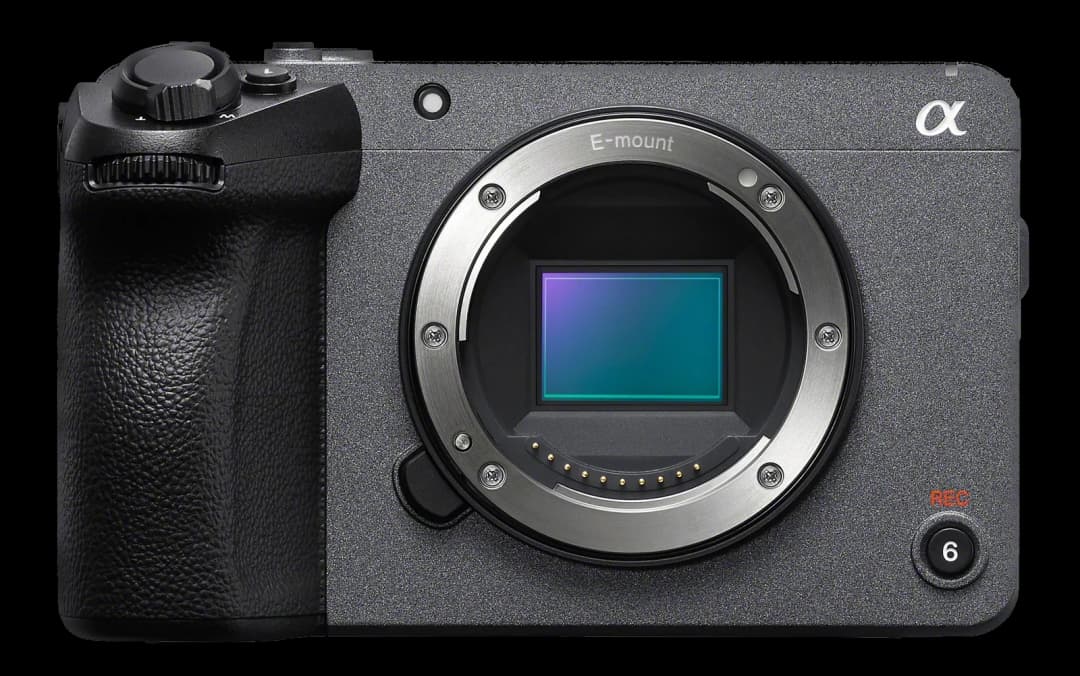
Sony
FX30
2022
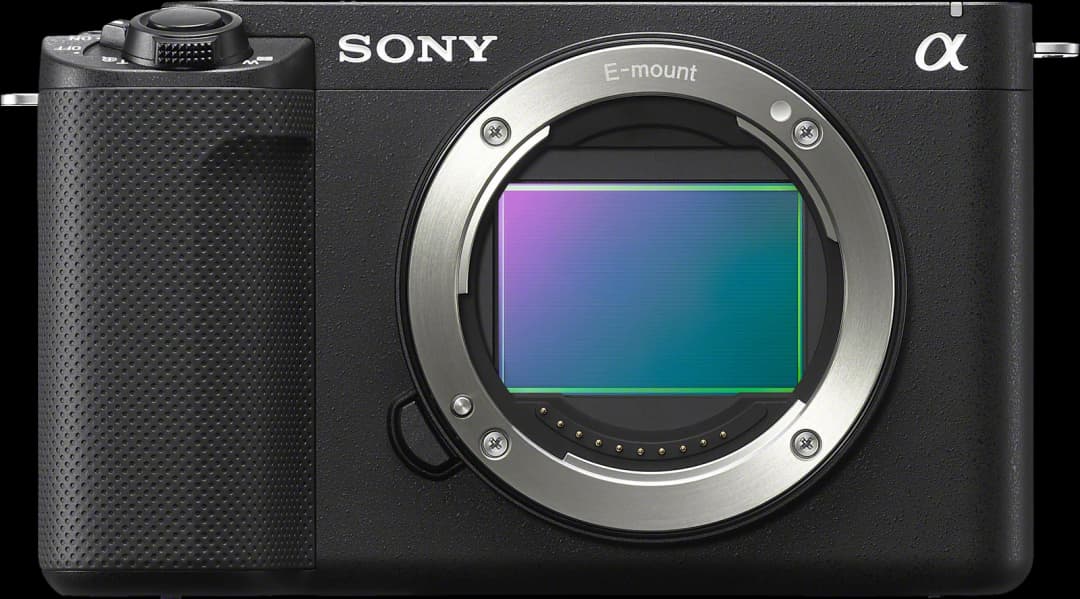
Sony
ZV-E1
2023
Sony FX30 vs Sony ZV-E1: Which to Choose Between Video Versatility and Full-Frame Low Light?
Visual summary
— Reads in 5 seconds
Sony
FX30
Sony
ZV-E1
Where to buy
— Live merchant price comparator
Sony ZV-E1

SONY ZV-E1 Mirrorless Vlogging Camera - Body Only, Black
1 331 GBP · Wowcher


You'll find the best prices on the market here, updated daily — and by going through these partner links, you support Camera Duel without paying a cent more.
The arbitration in brief
The FX30 stands out for professional video (XLR, Dual ISO, DCI 4K); the ZV-E1 wins on low light and full-frame compactness, but its single slot and low-resolution screen are real concessions.
The Sony FX30 and the Sony ZV-E1 share the same E mount, the same brand, and a hybrid positioning focused on video. Yet they are not aimed at the same users.
The FX30 was released in 2022 at 1 800 USD. It belongs to Sony’s Cinema Line, designed for semi-professional videographers and documentary shoots. Its APS-C 26-megapixel sensor and weather-sealed body with dual card slots clearly signal its ambition: to perform in the field, for extended periods, without compromising data security.
The ZV-E1 arrived in 2023 at 2 200 USD. It belongs to the ZV range, aimed at content creators and vloggers. But Sony made a surprising choice: fitting a full-frame 35.6 × 23.8 mm sensor into a body that weighs only 483 grams. The result is an atypical hybrid capable of reaching ISO 102 400 native and -6 EV for AF detection, but which sacrifices the dual slot and screen resolution to fit this size.
The launch price difference is 400 USD in favour of the FX30. In 2026, both bodies are available on the used market at significantly lower prices, making the choice even more strategic.
This comparison settles a precise duel: is it better to have an APS-C video-first camera with pro shooting tools, or a compact full-frame body built for low light and light travel? Both answer real needs. One of them matches your usage better.
Standout strengths
— Where each camera shines
Sony
FX30
Top advantages
- 26 MPMegapixels2,1× vs Sony ZV-E1
- OuiDual Native ISOAbsent sur Sony ZV-E1
- OuiXLR inputAbsent sur Sony ZV-E1
- 2.36 M dotsScreen resolution2,3× vs Sony ZV-E1
Sony
ZV-E1
Top advantages
- 102 400Native ISO max3,2× vs Sony FX30
- 409 600Extended ISO max4× vs Sony FX30
- 80Native ISO min+25 % vs Sony FX30
- -6 EVAF low light (EV)+3 vs Sony FX30
Detailed spec-by-spec
— Round by round, the eight categories
Sensor
Autofocus
Speed & burst
Video
Stabilisation
Build
Ergonomics & screen
Connectivity & battery
Detailed analysis analysis
— Strengths, trade-offs and ideal user
Sony FX30: what it does well, what it concedes
The FX30 is built around an APS-C BSI-CMOS 26-megapixel sensor. This is the specification that immediately sets it apart from the ZV-E1. In practice, 26 MP allow significant cropping in post-production and large-format prints. For a videographer who also delivers stills from the shoot or press visuals, this resolution is a tangible advantage.
In video, the FX30 is the more complete of the two. It records in DCI 4K (4096 × 2160), a native format for cinema post-production that is absent from the ZV-E1. It offers Dual ISO, allowing switching between two native sensitivity ranges to optimise the signal-to-noise ratio according to the scene. It includes an XLR input via the supplied handle, eliminating the need for an external adapter on professional sound shoots. Measured rolling shutter is 15 ms, a documented figure. No equivalent data is available for the ZV-E1. IBIS compensates 5.5 stops, versus 5 stops on the ZV-E1, a modest but real difference.
Its concessions are clear. AF in low light reaches -3 EV, versus -6 EV on the ZV-E1: a 3 EV gap that represents a significant exposure difference in dark environments. Maximum native ISO tops out at 32 000, versus 102 400 on the ZV-E1. The body is heavier (646 g) and bulkier (129.7 × 77.8 × 84.5 mm). These three points define exactly where the FX30 gives ground.
Its strengths in summary:
- DCI 4K, Dual ISO and native XLR for demanding shoots.
- Dual slot CFexpress Type A + SD UHS-II for data redundancy.
- IBIS 5.5 stops and weather-sealing for tough conditions.
- 2.36 M-dot screen for precise focus checking.
For whom
The FX30 is made for the semi-professional videographer who shoots in real conditions: documentary, reportage, events, music videos. They need XLR, Dual ISO and DCI 4K. They often work alone or in a small team, and the dual slot is non-negotiable insurance. They also shoot stills, and the 26 MP let them deliver usable still images without changing bodies. They accept the 646 g weight because robustness and pro tools compensate. On location, they prioritise reliability over lightness.
Sony ZV-E1: what it does well, what it concedes
The ZV-E1 packs a full-frame 35.6 × 23.8 mm sensor into a 483-gram body. This is its central argument. A 24x36 sensor physically captures more light than an APS-C at equivalent aperture. Combined with a maximum native ISO of 102 400 (versus 32 000 on the FX30) and AF detection down to -6 EV, the ZV-E1 stands apart for dark environments.
The -6 EV AF deserves a concrete explanation. At -3 EV, you are in a room dimly lit by a candle. At -6 EV, you enter conditions close to total darkness. This 3 EV gap between the two bodies represents a factor of 8 in minimum detectable brightness. For a videographer shooting night scenes or events in very low ambient light, this is an operational difference, not a cosmetic one.
Its concessions are real and documented. The ZV-E1 offers only a single SD UHS-II slot: no redundancy possible during a shoot. The screen shows 1.04 M dots, versus 2.36 M dots on the FX30: live focus checking is less precise. There is no native XLR, no Dual ISO, and maximum video resolution is 4K UHD (3840 × 2160), without DCI. The USB port is Gen1 at 5 Gbps, slower for transferring large files.
Its strengths in summary:
- ISO 102 400 native and AF down to -6 EV for extreme low light.
- Full-frame sensor in a 483 g body, compact for travel.
- Extended ISO up to 409 600 for extreme situations.
- Weather-sealing and 5-stop IBIS retained despite the reduced size.
For whom
The ZV-E1 suits the content creator or photographer-videographer traveller who prioritises lightness and low-light performance. They often shoot alone, in ambient light, without a dedicated sound team. The full-frame sensor gives them a visual rendering and ISO tolerance that APS-C cannot match at equivalent sensitivity. They accept the lack of a dual slot because they work with a high-capacity card and regular cloud backup. The 483 g weight is a daily argument for them.
Our verdict
Which one to buy, and why
The duel plays out on two distinct axes, and each has a clear winner.
For professional video, the FX30 is the rational choice. It offers DCI 4K, Dual ISO, native XLR and the dual CFexpress Type A + SD UHS-II slot. These four elements combined define a semi-pro shooting tool that the ZV-E1 cannot match. The absence of XLR and Dual ISO on the ZV-E1 are deal-breakers for anyone delivering productions with precise technical requirements. The documented rolling shutter of 15 ms on the FX30 is usable data for assessing fast-motion constraints. No equivalent measurement is available for the ZV-E1.
For low light and light travel, the ZV-E1 takes the advantage. A 3 EV gap on low-light AF (-6 EV versus -3 EV) and a maximum native ISO of 102 400 versus 32 000 place the ZV-E1 in another category as soon as light disappears. The 483 g weight of a full-frame body is a daily field argument that the 646 g of the FX30 cannot contest.
Deal-breakers to identify before buying:
- Single slot on the ZV-E1: prohibitive for professional shoots where data loss is unacceptable.
- Absence of XLR on the ZV-E1: real constraint on shoots with synced sound.
- Native ISO limited to 32 000 on the FX30: measurable concession in night conditions.
- 12.1 MP on the ZV-E1: insufficient if you deliver large-format stills or crop heavily in post.
In 2026, both bodies are available used at prices noticeably below their launch figures. The FX30 launched at 1 800 USD and the ZV-E1 at 2 200 USD: the 400 USD gap has narrowed on the secondary market, making the ZV-E1 more accessible than at launch.
My clear opinion: choose the FX30 if you produce video with technical constraints (XLR sound, DCI 4K, data redundancy). Choose the ZV-E1 if your priority is low light and mobility, and you accept the single slot. The single slot on the ZV-E1 remains the most serious point of friction for professional use. If that does not concern you, full frame wins.
Frequently asked questions
Before you buy, the questions we get
Which to choose for filming indoor events in low light, such as concerts or evening weddings?
The ZV-E1 is the appropriate choice. Its AF operational down to -6 EV (versus -3 EV on the FX30) and its maximum native ISO of 102 400 (versus 32 000) give it a measurable advantage in these conditions. The 3 EV gap between the two bodies represents a factor of 8 in minimum detectable brightness. For a wedding in a dimly lit hall or a concert without strong stage lighting, the ZV-E1 locks focus where the FX30 begins to struggle. The caveat: if you also record sound via XLR, the FX30 regains the advantage on the technical side.
Is the lack of a dual slot on the ZV-E1 really a problem for semi-pro use?
Yes, it is an identified deal-breaker. The FX30 offers a dual CFexpress Type A + SD UHS-II slot, allowing simultaneous backup or automatic overflow. The ZV-E1 has only a single SD UHS-II slot. On a professional shoot, a failing card without redundancy means irreversible data loss. For personal use or solo content creation with regular cloud backup, the risk is manageable. For a shoot delivered to a client, the single slot is a real constraint that the FX30 does not impose.
The FX30 is APS-C and the ZV-E1 is full frame: does that really make a difference in 4K video?
Yes, on two concrete points. First, the full-frame sensor of the ZV-E1 captures more light at equivalent aperture, which translates into a better signal-to-noise ratio at high sensitivity. Second, the FX30 records in DCI 4K (4096 × 2160) with a 1× crop factor, while the ZV-E1 is limited to 4K UHD (3840 × 2160) without DCI. For cinema-oriented post-production, the DCI 4K of the FX30 is a direct advantage. For web or YouTube delivery, the difference between DCI and UHD is negligible in practice.
Does the price difference between the two bodies still justify itself in 2026?
The ZV-E1 launched at 2 200 USD, 400 USD more than the FX30 at 1 800 USD. In 2026, both bodies are found on the used market at reduced prices. The ZV-E1 is financially justified if you have a real need for extreme low light or full-frame compactness. If your usage is mainly technical video (XLR, DCI 4K, dual slot), the FX30 is cheaper and better suited. Paying more for the ZV-E1 without using its specific strengths is not rational.
Which will age better in the years ahead?
The FX30 belongs to Sony’s Cinema Line, a range with a history of long firmware support. It has received significant updates since its 2022 release. The ZV-E1, released in 2023, is newer but belongs to a consumer-oriented range whose support cycle is less predictable. On the hardware side, the dual slot and USB-C 3.2 Gen2 at 10 Gbps port of the FX30 give it greater practical longevity than the single slot and Gen1 at 5 Gbps of the ZV-E1. The FX30 ages better for professional use.