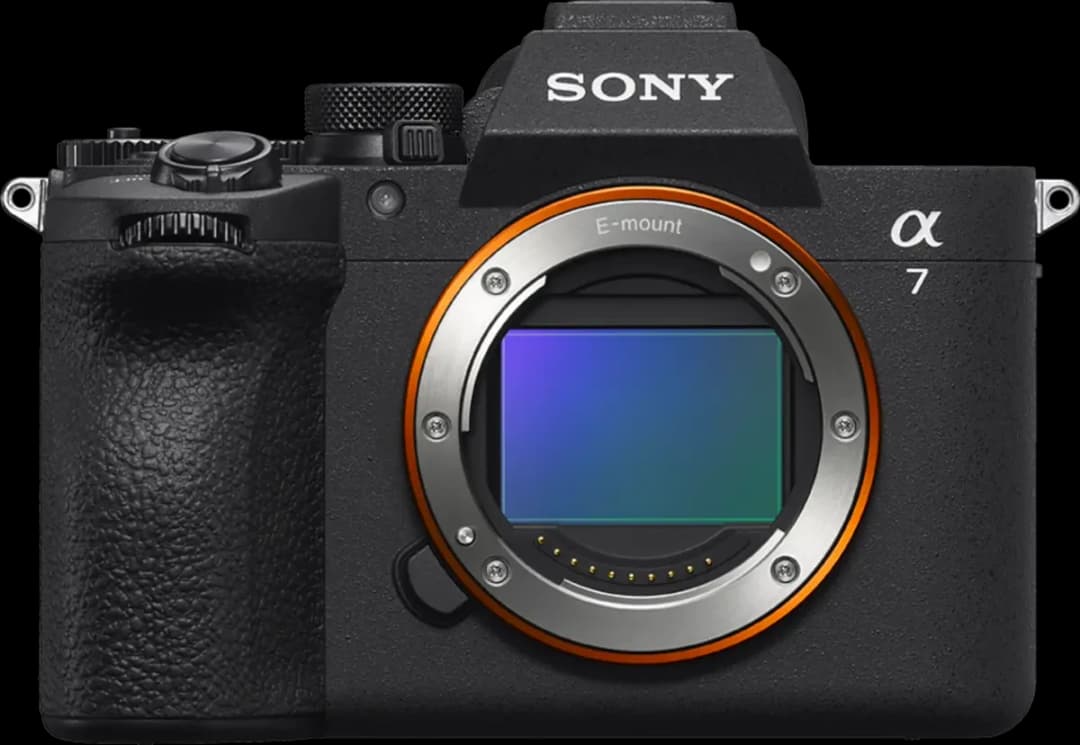
Sony
α7 V
2024
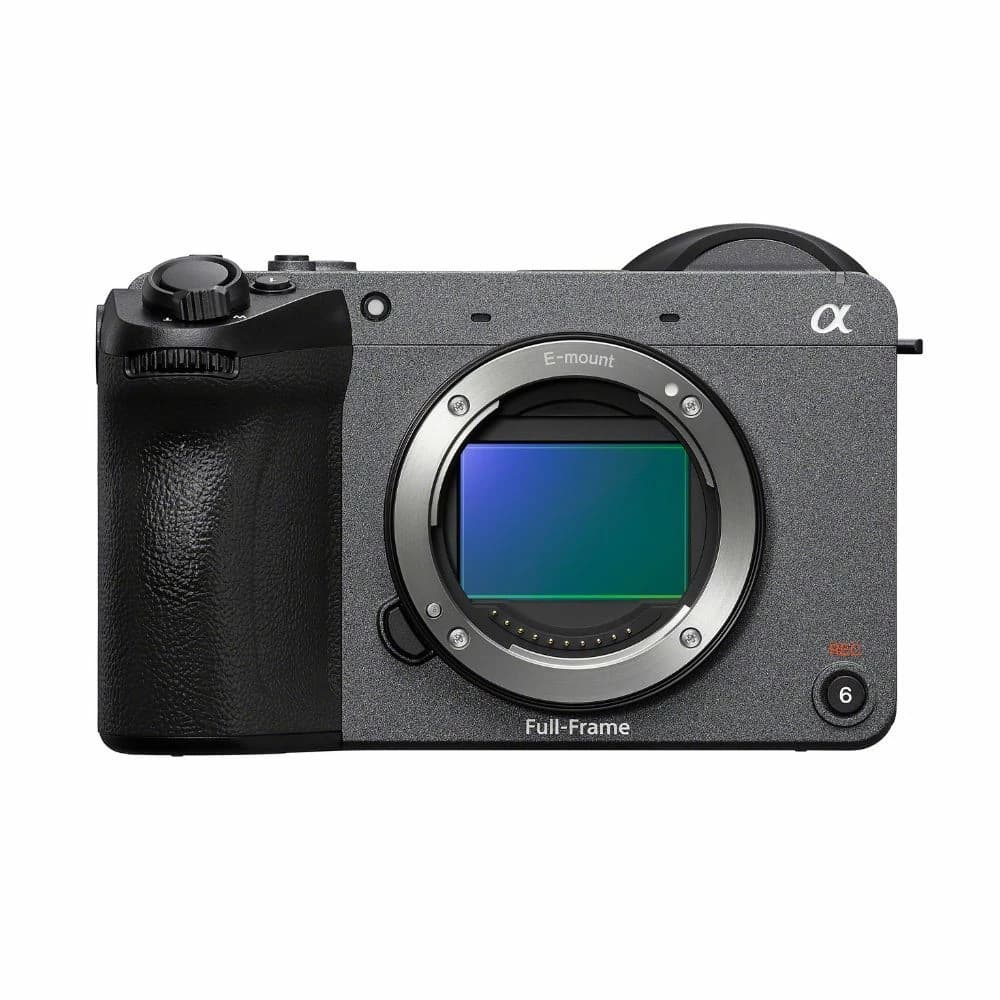
Sony
FX2
2025
Sony α7 V vs Sony FX2: Which One for the Hybrid Shooter, Which One for the Videographer?
Visual summary
— Reads in 5 seconds
Sony
α7 V
Sony
FX2
Where to buy
— Live merchant price comparator


You'll find the best prices on the market here, updated daily — and by going through these partner links, you support Camera Duel without paying a cent more.
The arbitration in brief
The α7 V dominates in photography and versatility; the FX2 takes the lead as soon as professional video becomes the priority.
Sony released the α7 V in 2024, followed by the FX2 in 2025. Both bodies share the same full-frame BSI-CMOS sensor 33 megapixels, the same E-mount, the same native ISO range (100 to 51 200) and the same dual CFexpress Type A / SD UHS-II slots. On paper, the duel looks like a match between siblings.
Yet the two cameras do not share the same ambition. The α7 V is a general-purpose photo-video hybrid, launched at 2 899 USD. It targets the wedding, portrait or reportage photographer who also wants to shoot video without major compromises. The FX2 sits in Sony’s Cinema Line, launched at 2 699 USD, i.e. 200 USD cheaper. It targets the videographer willing to accept a few photographic concessions in exchange for more serious video-production tools.
What you are arbitrating here is precisely that boundary. The specs diverge on points that radically change the experience depending on the dominant use: electronic burst (30 fps versus 10 fps), IBIS (7,5 stops versus 5,5 stops), active cooling (absent on the α7 V, present on the FX2), dual native ISO (exclusive to the FX2), and genlock / timecode (same). The sensor is identical, but the two bodies exploit it very differently.
This comparison answers a concrete question: should you choose the versatile hybrid that excels at stills and covers video, or the Cinema Line body that sacrifices some stills speed to gain rigour in video production? The camera-duel.com scores sum up the tension well: Photo 8,5 / Video 7,2 for the α7 V versus Photo 8,2 / Video 8,4 for the FX2.
Standout strengths
— Where each camera shines
Sony
α7 V
Top advantages
- 30 fpsElectronic burst3× vs Sony FX2
- 120 fpsMax video fps2× vs Sony FX2
- 7.5 stopsIBIS rating+36 % vs Sony FX2
- 1×4K crop1,5× vs Sony FX2
Sony
FX2
Top advantages
- OuiActive coolingAbsent sur Sony α7 V
- OuiDual Native ISOAbsent sur Sony α7 V
- OuiGenlock + Time CodeAbsent sur Sony α7 V
- 679 gWeight+2 % vs Sony α7 V
Detailed spec-by-spec
— Round by round, the eight categories
Sensor
Autofocus
Speed & burst
Video
Stabilisation
Build
Ergonomics & screen
Connectivity & battery
Detailed analysis analysis
— Strengths, trade-offs and ideal user
Sony α7 V: what it does well, what it concedes
The α7 V wins the speed round hands down. Its electronic burst reaches 30 fps versus 10 fps on the FX2. In practice, this triples the density of sequences on fast-moving subjects, weddings or sports reportage. Sony quotes a buffer of 1 000 RAW images, a depth that virtually eliminates any risk of buffer saturation in sustained bursts. Maximum shutter speed rises to 1/16 000 s electronically, versus 1/8 000 s on the FX2, allowing wide-open shooting in bright sunlight without an ND filter.
IBIS is the other structural advantage of the α7 V. Sony claims 7,5 stops of compensation, versus 5,5 stops on the FX2. That 2-stop gap represents a factor of four in usable handheld shutter speed. In landscapes or dimly lit interiors I have been able to shoot at 1/4 s handheld with stabilised lenses on earlier Sony bodies: the 7,5 stops of the α7 V open that window even wider. The EVF shows 0,78x magnification versus 0,70x on the FX2, and the screen reaches 2,10 M dots versus 1,04 M. Neither difference is trivial for manual focusing or exposure checking in the field.
The concessions on the α7 V are real. It lacks active cooling, which can become an issue during long takes in warm environments. It does not offer dual native ISO, a feature that improves the signal-to-noise ratio in video highlights. It has neither genlock nor timecode, two tools essential for multi-camera production. CIPA battery life is 750 shots, a solid figure for stills, but video endurance needs watching.
Strengths in brief:
- 30 fps electronic and 1 000 RAW buffer.
- 7,5 stops IBIS, two stops more than the FX2.
- 0,78x viewfinder and 2,10 M-dot screen for superior stills ergonomics.
- Maximum electronic shutter speed 1/16 000 s.
- 750-shot CIPA battery life.
For whom
The α7 V suits the hybrid photographer for whom stills remain the primary use. The wedding photographer who films speeches but shoots the decisive moments in RAW will find the 30 fps and 1 000-image buffer a safety net. The portrait photographer who wants to offer client videos without buying a second body will benefit from the 7,5-stop IBIS for handheld footage. The travel or reportage photographer will appreciate the 750-shot endurance and weather-sealing. In short: any photographer who also shoots video, but not every videographer who shoots stills.
Sony FX2: what it does well, what it concedes
The FX2 belongs to Sony’s Cinema Line. That membership brings three features absent from the α7 V: active cooling, dual native ISO, and genlock with timecode. Active cooling removes the thermal limit on continuous recording. On a multi-hour indoor shoot it is a deal-breaker for the α7 V and a structural advantage for the FX2. Dual native ISO lets you switch between two optimised sensitivity ranges without degrading the signal-to-noise ratio. In video this translates into better highlight handling in high-contrast scenes. Genlock and timecode become indispensable once you work multi-camera or sync with external audio.
The FX2 also accepts external RAW output to recorders supporting ProRes RAW and Blackmagic RAW, an option missing on the α7 V. In serious video production this output opens a wider colour space in post-production. Maximum video resolution is quoted as DCI 4K, the native digital-cinema format, versus 4K UHD on the α7 V. The FX2 is also 16 g lighter (679 g versus 695 g), a marginal but real difference.
The concessions on the FX2 are significant for stills use. Electronic burst tops out at 10 fps, three times slower than the α7 V. IBIS compensates only 5,5 stops. AF coverage percentage is not published by Sony for this model, making direct comparison impossible on that point. CIPA battery life drops to 520 shots, 230 fewer than the α7 V. The 1,04 M-dot screen is half as sharp.
Strengths in brief:
- Active cooling for long takes without thermal limits.
- Dual native ISO for better contrast handling in video.
- Genlock and timecode for multi-camera production.
- External RAW output to ProRes RAW and Blackmagic RAW.
- 679 g, slightly more compact in weight.
For whom
The FX2 suits the videographer who shoots stills occasionally, not the photographer who also shoots video. The solo operator filming long indoor interviews will benefit from active cooling. The wedding or event videographer working multi-camera with a sound engineer will need genlock and timecode. The colourist working in serious post-production will appreciate the external RAW output. Conversely, if stills represent more than 50 % of the workload, the 10 fps and 5,5-stop IBIS become concessions that are hard to ignore.
Our verdict
Which one to buy, and why
Both bodies share an identical sensor. The verdict is not about raw image quality; it is about dominant use.
If you shoot stills primarily and video as a complement, choose the α7 V. The 30 fps electronic burst, 1 000-image buffer, 7,5-stop IBIS and 750-shot endurance form a coherent package for the wedding, portrait or reportage photographer. The 200 USD price difference in favour of the FX2 does not justify sacrificing these advantages if stills remain the priority. On the used market the α7 V, released in 2024, is already appearing below its launch price, further improving its value.
If you shoot video primarily and stills as a complement, choose the FX2. Active cooling, dual native ISO and genlock/timecode are production tools the α7 V cannot emulate. External RAW output to ProRes RAW or Blackmagic RAW is an extra argument for the videographer working in serious post-production. The FX2 is also 200 USD cheaper new.
Deal-breakers to remember:
- No active cooling on the α7 V: deal-breaker for long takes.
- 10 fps electronic burst on the FX2: deal-breaker for sport and fast reportage.
- No genlock/timecode on the α7 V: deal-breaker for multi-camera production.
- 5,5-stop IBIS on the FX2: noticeable concession for handheld low-light stills.
My clear opinion: the α7 V is the better buy for the majority of readers of this site. The hybrid photographer who also shoots video is more common than the professional videographer who shoots stills. The 30 fps, 7,5-stop IBIS and 750-shot endurance cover a wider range of uses. The FX2 is an excellent camera, but it answers a video-production brief that most buyers do not have.
Frequently asked questions
Before you buy, the questions we get
Which one to choose for photographing and filming a wedding?
The α7 V is the appropriate choice. The 30 fps electronic burst and 1 000-image RAW buffer cover the decisive moments in stills. The 7,5-stop IBIS secures handheld video during ceremonies. Video recording is unlimited on both bodies, but the α7 V offers 750-shot stills endurance versus 520 on the FX2, reducing battery changes on a long day. The FX2 brings nothing decisive on this type of assignment unless you are working multi-camera with timecode sync.
Is the FX2 really better in video than the α7 V?
Yes, for professional production use. The FX2 carries active cooling that removes the thermal limit on long takes. It has dual native ISO that improves contrast handling in video. It offers genlock and timecode for multi-camera synchronisation. It accepts external RAW output to ProRes RAW and Blackmagic RAW. The α7 V compensates with 120 fps in 4K versus 60 fps on the FX2, and a 1x crop factor versus 1,5x on the FX2 in 4K. The camera-duel.com video score sums up the gap: 8,4 for the FX2 versus 7,2 for the α7 V.
Does the 200 USD difference between the two bodies justify itself?
The FX2 is 200 USD cheaper at 2 699 USD versus 2 899 USD for the α7 V. That difference does not justify choosing the FX2 if your use is mainly stills. You lose 20 fps in electronic burst, 2 stops of IBIS, 230 shots of endurance and a screen half as sharp. Conversely, if your use is mainly professional video, the FX2 is cheaper and technically superior on that terrain. Value leans toward the α7 V for the generalist hybrid and toward the FX2 for the videographer.
Which body will age better in five years?
Both bodies share the E-mount, Sony’s most extensive lens ecosystem in 2026. Obsolescence will not come from the mount. The α7 V, released in 2024, will probably receive firmware updates for longer because it is the more recent stills-oriented model. The FX2, released in 2025, is newer still. On the sensor side, 33 megapixels BSI-CMOS full frame remains a solid base for several years. The FX2 will age better for videographers thanks to active cooling and dual native ISO, two features that cannot be added by firmware. The α7 V will age better for photographers thanks to its burst rate and IBIS.
Can the FX2 replace a classic stills body for a photographer who also wants to shoot video?
With difficulty. Electronic burst tops out at 10 fps, identical to the mechanical burst. RAW buffer depth is not published by Sony for this model. 5,5-stop IBIS is respectable but two stops behind the α7 V. 520-shot CIPA endurance is below the category average. For a photographer who also shoots video, the α7 V covers both uses without major concessions. The FX2 is designed for the videographer who shoots stills occasionally, not the other way around.