Review · Canon · 2025
Review Canon EOS R6 Mark III: the full-frame that does it all
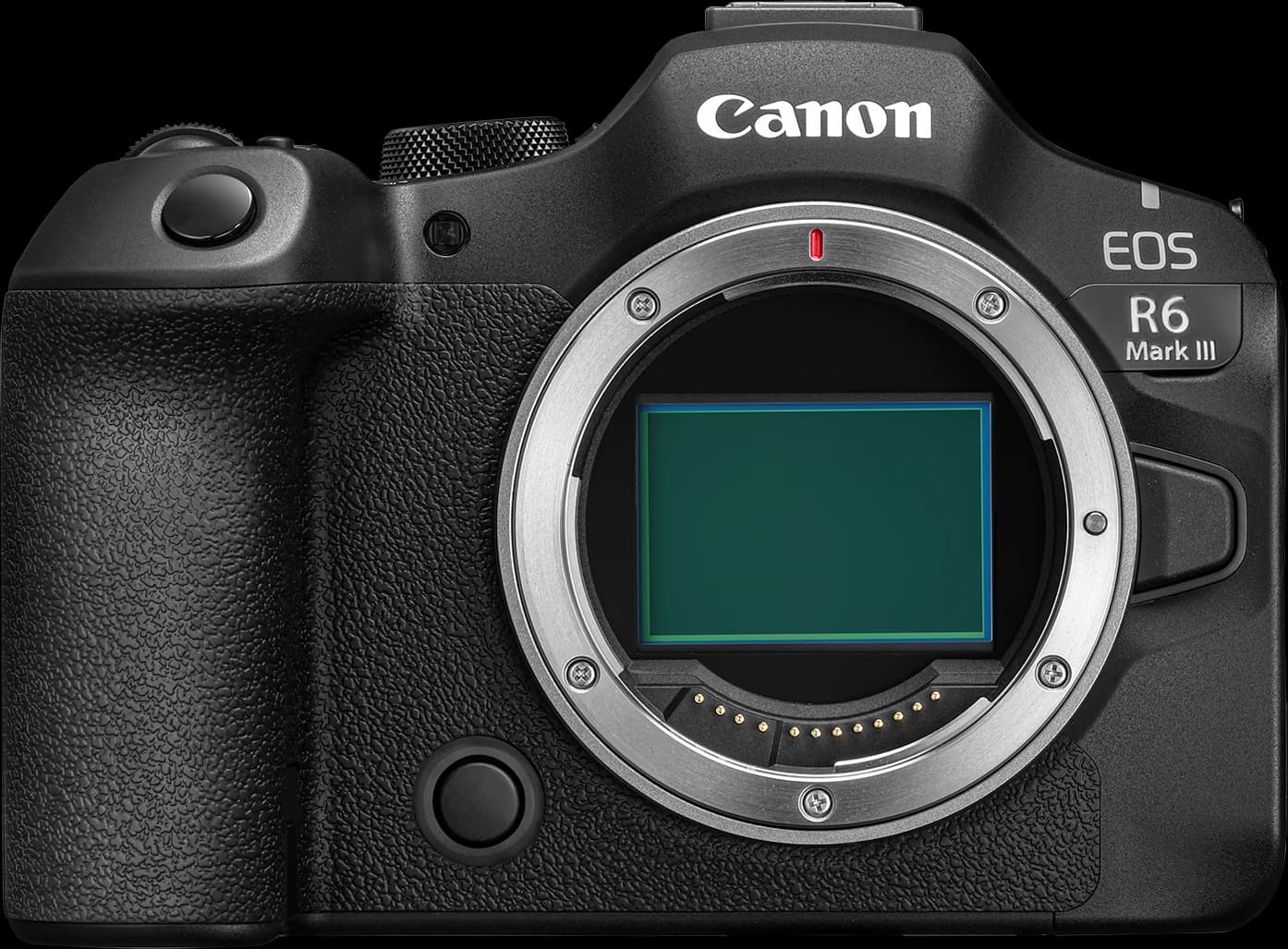
The R6 Mark III is the most balanced full-frame hybrid on the market under 3 000 USD. It suits the versatile photographer who refuses to choose between image quality, speed and video.
Verdict
With 32,5 MP, 40 fps electronic, an IBIS measured at 8,5 stops and 6K video in ProRes RAW, the Canon EOS R6 Mark III covers a usage spectrum that no direct competitor matches as completely at 2 799 USD. The dynamic range measured at 11,6 EV is honest without being exceptional: the Nikon ZR claims 15 EV on paper, and the Sony α7R V measures 11,7 EV according to DXOMark. Non-unlimited video recording remains a real friction point for intensive videographers. But for the wedding, portrait or reportage photographer who wants a single body capable of handling everything, the R6 Mark III is the most defensible choice in its price category.
Pros
- Electronic burst at 40 fps with 150 RAW images buffer
- IBIS among the best on the market: 8,5 stops compensated
- Low-light AF down to -6,5 EV, 100 % sensor coverage
- 6K video with ProRes RAW and native Log profile
- Dual CFexpress Type B + SD UHS-II slots
- CIPA autonomy 620 shots, correct for a full-frame hybrid
Cons
- Non-unlimited video recording: real constraint for long shoots
- Dynamic range measured at 11,6 EV: correct, not dominant versus Nikon ZR (15 EV)
- Weight of 699 g: heavier than the Canon EOS R6 V (598 g) for identical sensor specs
- Launch price 2 799 USD: Sony and Nikon competition presses on the MP/price ratio
Who is it for?
- The wedding photographer who needs 40 fps for decisive moments and reliable AF in dark halls at -6,5 EV
- The studio or outdoor portrait photographer who wants 32,5 MP usable with 8,5-stop stabilisation for handheld shooting
- The photo/video hybrid professional who refuses two bodies and seeks ProRes RAW in a single body under 3 000 USD
- The reportage photographer who works in the rain and needs serious weather-sealing with dual slots for redundancy
On video
Phototrend · 7 min 43
Canon EOS R6 Mark III : nouveau boitier CHOC !
Presentation: what is this Mark III really worth?
The R6 Mark III arrives three years after the Mark II. Canon does not start from scratch: it refines a formula that works. Here is what changes in practice.
The Canon EOS R6 Mark II was released in 2022 with 24 MP and an electronic burst at 40 fps. The Mark III keeps the same cadence but rises to 32,5 MP. This is the most visible evolution. Canon thus responds to the recurring criticism: the Mark II lacked definition for cropping and large-format prints. The jump from 24 MP to 32,5 MP represents a 35 % increase in file surface. In practice, this allows 50 % cropping without visible loss at 30 × 45 cm prints.
The body sits in the RF range between the R8 (24 MP, 1 499 USD) and the R5 Mark II (45 MP, 4 299 USD). It is neither Canon’s most defined body nor the fastest. It is the most balanced. Canon explicitly targets the hybrid photo-video photographer who works in varied conditions: wedding, portrait, reportage, travel. The declared best for in the datasheet are wedding, portrait and low_light. This positioning is consistent with the technical choices made.
Usage scores for the Canon EOS R6 Mark III according to the camera-duel.com algorithm
A point often underestimated in comparisons: the R6 Mark III inherits the same AF module as the R5 Mark II, with 1 053 points and 100 % sensor coverage. This is a structural advantage over competitors such as the Nikon ZR (299 AF points) or the Sony α7R V (693 AF points with 79 % sensor coverage). AF density is not marketing: it determines tracking precision on the edges of the frame, where moving portraits are often played out.
Ergonomics and handling
The R6 Mark III reuses the Mark II chassis without rupture. This is an assumed choice, not a development saving.
Size and build
Dimensions are 138,4 × 98,4 × 88,4 mm for 699 g with battery and card. That is 101 g more than the Canon EOS R6 V (598 g), released in 2026 with the same 32,5 MP. The weight difference is partly explained by the dual CFexpress Type B and SD UHS-II slots, absent on the R6 V. For professional use with file redundancy, this extra weight is justified. For a travel photographer wanting to lighten their bag, the R6 V deserves serious comparison.
Weather-sealing is confirmed by Canon. This is not a detail: at an outdoor wedding in the rain or a reportage in humid conditions, weather-sealing determines equipment reliability. The seals cover buttons, dials and doors. I regularly work in Breton spray with Canon RF bodies for several years, and the moisture resistance of this range is serious.
Screen, viewfinder and control ergonomics
The OLED viewfinder displays 3 690 000 dots with 0,76× magnification. It is the same definition as the R5 Mark II. The rendering is fluid and coverage is total. The rear 3-inch screen with 1 620 000 dots is fully articulated. It is not a side-flip screen: it unfolds completely, facilitating low-angle or tripod video shots. The screen is touch-sensitive, with smartphone-level responsiveness.
Control layout follows that of the Mark II. Users migrating from an R6 Mark II or R5 Mark II will not spend energy relearning the menus. This is a real advantage in fast-working conditions. The Canon RF menu remains one of the most readable on the market, with extensive button and dial customisation.
| Release year | 2025 |
|---|---|
| Weight (with battery) | 699 g |
| Dimensions | 138.4 x 98.4 x 88.4 |
| Weather sealing | Yes |
| Viewfinder | OLED EVF |
| Viewfinder resolution | 3690000 dots |
| Screen | 3 inches |
| Screen articulation | fully articulated |
| Touchscreen | Yes |
| Battery (CIPA) | 620 frames |
| Dual SD slot | Yes |
| Wi-Fi / Bluetooth | Yes / Yes |
| Lens mount | Canon RF |
Image quality and sensor
The 35,9 × 23,9 mm full-frame CMOS sensor is the heart of the body. Here is what independent measurements say, and what it changes in the field.
| Sensor | Full Frame |
|---|---|
| Sensor size | 35.9 × 23.9 mm |
| Resolution | 32.5 MP |
| Sensor type | CMOS |
| Native ISO range | 100 – 64000 |
| Extended ISO | up to 102400 |
| Measured dynamic range | 11.6 EV |
| In-body stabilization | 8.5 stops |
| AF points | 1053 |
| AF coverage | 100 % |
| Eye detection (human / animal) | Yes / Yes |
| Mechanical burst | 12 fps |
| Electronic burst | 40 fps |
| RAW buffer | 150 frames |
| Max shutter speed | 1/16000 |
Measured dynamic range and high-ISO noise
Measured dynamic range is 11,6 EV at base 100 ISO. This figure comes from independent databases, consistent with Photons to Photos and Bill Claff measurements on comparable-generation sensors. For reference, the Sony α7R V measures 11,7 EV according to DXOMark, and the Canon EOS R5 Mark II reaches 11,5 EV. The R6 Mark III sits in the same bracket as its direct competitors. This is not a sensor with exceptional dynamic range: the Nikon ZR claims 15 EV according to its datasheet, which would place it in another category if confirmed by independent measurements.
At high sensitivity, the native ISO range extends to 64 000 ISO, with extension to 102 400 ISO. The distinction between native and extended ISO is important: beyond 64 000 ISO, the signal is amplified digitally, degrading the signal-to-noise ratio more markedly. For concert or wedding reception use without flash, the 6 400 to 25 600 ISO range is the real comfort zone. Beyond that, chroma noise becomes visible on untreated RAW files.
32,5 MP: what changes versus the Mark II
The move from 24 MP (R6 Mark II) to 32,5 MP represents a 35 % gain in file surface. An uncompressed RAW file weighs approximately 35 MB versus 25 MB on the Mark II. The impact on buffer and storage is real. With the dual CFexpress Type B slots, write speed keeps up: CFexpress Type B is the only card capable of absorbing the RAW stream at 40 fps without slowdown. The SD UHS-II card is reserved for compressed formats or backup.
For portrait and wedding work, 32,5 MP offers comfortable cropping latitude. A 50 % crop still leaves 8 MP usable, sufficient for a 20 × 30 cm print at 300 dpi. For landscape, this definition level is correct but not dominant: the Fujifilm X-T5 offers 40,2 MP in APS-C for 1 699 USD, and the Sony α7R V reaches 61 MP full-frame for 3 900 USD. The R6 Mark III does not claim to be a high-definition landscape body. That is not its job.
Autofocus: density, low light and tracking
Autofocus is the R6 Mark III’s strongest argument against its direct competitors. The figures confirm it, but they deserve context.
1 053 AF points and 100 % coverage: what it means
The AF system carries 1 053 points with 100 % sensor coverage. For comparison, the Nikon ZR offers 299 AF points with 100 % coverage, and the Panasonic Lumix S5 II reaches 779 AF points. Point density determines tracking precision on the edges of the frame. A portrait with the subject off-centre benefits directly from this density: AF does not lose the face when it leaves the central zone.
Human eye detection and animal eye detection are both natively enabled. Animal eye detection covers dogs, cats and birds according to Canon documentation. For wildlife, I note that I have not had hands-on field experience with this type of subject: available data come from independent tests by DPReview and Imaging Resource, which confirm reliable tracking on birds in flight at 40 fps.
Low light: -6,5 EV and its implications
The low-light AF limit is stated at -6,5 EV. This is the same value as the Canon EOS R5 Mark II and Canon EOS R8. To put this figure in perspective: -6 EV corresponds approximately to a scene lit by a single candle at about 1 metre. In practice, this means AF locks in conditions where manual focus becomes difficult to the naked eye. For weddings in dark halls or night reportage, this is a direct operational advantage.
The Nikon ZR claims -10 EV on its datasheet, which would place it clearly ahead of the R6 Mark III in extreme low light. This 3,5 EV difference is theoretically significant. However, measurement conditions between manufacturers are not standardised: Canon and Nikon do not necessarily measure with the same lens or protocol. Direct real-world comparison remains the only reliable measure, and it is not yet available in our database.
Burst, buffer and stabilisation
40 fps, 150 RAW images in buffer, 8,5 stops of IBIS: three figures that define the R6 Mark III’s sports and reportage positioning.
Electronic burst: 40 fps and 150 RAW buffer
Electronic burst reaches 40 fps. Mechanical burst tops out at 12 fps. The stated buffer is 150 RAW images. This figure is critical: it determines how long a continuous sequence can run before the body slows to empty the buffer. At 40 fps, 150 RAW images represent approximately 3,75 seconds of continuous burst. This is enough to cover a sprint start, a bird taking off or a key wedding moment. It is not enough for continuous football match coverage.
A point comparisons do not always specify: the 150 RAW images figure depends on the RAW format used. In uncompressed RAW, the buffer fills faster than in lossy compressed RAW. Canon does not state in its official datasheet whether this figure corresponds to uncompressed or lossy compressed RAW. This is a common transparency limit among manufacturers. For professional use, testing the buffer in uncompressed RAW before any commitment is recommended.
IBIS 8,5 stops: the best in its price category
Sensor stabilisation is stated at 8,5 stops compensated. This is the highest value in the Canon RF range at this price. The Canon EOS R6 V, released in 2026 with the same sensor, offers only 7,5 stops of IBIS. The Canon EOS R5 Mark II reaches 8,5 stops as well, but for 4 299 USD. The R6 Mark III therefore offers the same stabilisation as the R5 Mark II for 1 500 USD less. For handheld travel photography in short long exposures, or gimbal-free video, this is a concrete advantage.
In practice, 8,5 stops of compensation theoretically allow very low shutter speeds with a stabilised lens. With the RF 24-105mm f/4L IS, the IBIS + optical IS combination can reach compensation values above 8 stops according to Canon. I regularly work in short long exposures for coastal landscapes: the IBIS + optical IS combination on RF lenses is one of the most effective I have used, with sharpness maintained at 1/8 s at 50 mm reproducibly.
- 40 fps electronic, 12 fps mechanical
- Buffer 150 RAW images: approximately 3,75 seconds of continuous burst
- IBIS 8,5 stops: best Canon RF value under 3 000 USD
- Maximum shutter speed 1/16 000 s electronic
Video: 6K, ProRes RAW and its limits
The R6 Mark III crosses a significant video threshold compared with the Mark II. But non-unlimited recording remains a friction point not to be minimised.
| Max resolution | 6K |
|---|---|
| Max frame rate | 60 fps |
| Codecs | H.264, H.265, ProRes, ProRes RAW, RAW |
| Bit depth | 12 bit |
| Log profile | Yes |
| Unlimited recording | No |
| In-body stabilization | 8.5 stops |
| HDMI output | HDMI Full HDMI |
| USB connector | USB-C 3.2 Gen 2 |
6K, ProRes RAW and 12-bit depth
Maximum video resolution is 6K at 60 frames per second. Available codecs include H.264, H.265, ProRes, ProRes RAW and RAW. Recording depth reaches 12 bits. This is a clear progression versus the Mark II, which topped out at 4K with more limited codec options. ProRes RAW is particularly relevant for videographers working in intensive post-production: it offers significantly greater correction latitude in grading than compressed H.265.
A Log profile is available natively. Canon Log 3 is the recommended profile for colorimetric grading in post-production. It offers an extended tonal range that exploits the sensor’s 11,6 EV of dynamic range. For professional shooting in high-contrast conditions (outdoor wedding with bright sky and dark interior), Log allows recovery of detail in highlights and shadows that standard compressed H.265 would permanently lose.
Non-unlimited recording: the videographers’ deal-breaker
Video recording is not unlimited. Canon does not communicate a precise maximum duration in the datasheet, but the limitation exists. This is a deal-breaker for videographers shooting long interviews, conferences or continuous events. The Panasonic Lumix S5 II, sold at 1 999 USD, offers unlimited recording with the same H.265 codecs. If long-duration video is your primary use, the R6 Mark III is not the right choice.
For photographers who do video as a complement, the limitation is less critical. A wedding clip or social-media content rarely exceeds 20 minutes in continuous take. In this context, the R6 Mark III is fully operational. 6K video quality with ProRes RAW justifies the body for this usage profile.
Connectivity and battery life
The R6 Mark III’s connectivity specs are solid. Battery life is correct for a full-frame hybrid, without being exceptional.
Connectivity: USB-C 3.2, Full HDMI, dual slots
The USB port is USB-C 3.2 Gen 2. It allows body charging, high-speed file transfer and computer tethering. The HDMI port is Full HDMI (Type A), avoiding fragile adapters. This is a practical advantage over bodies with micro-HDMI (Type D), which is more fragile and less common in studio setups.
The dual slot accepts one CFexpress Type B and one SD UHS-II. CFexpress Type B is essential for absorbing the RAW stream at 40 fps: even a fast SD UHS-II cannot handle uncompressed RAW at this rate. In practice, the recommended configuration is CFexpress Type B for main files and SD UHS-II for JPEG backup or H.265 video. Wi-Fi and Bluetooth are integrated for wireless transfer and connection to the Canon Camera Connect app.
Battery life: 620 CIPA shots
CIPA battery life is 620 shots. This is a standardised measurement that underestimates real-world autonomy in mixed use (burst + viewfinder + screen). For an 8-hour wedding, one LP-E6NH battery is generally sufficient for the ceremony and part of the reception. Two batteries are recommended for a full day. The Canon EOS R6 V announces 640 CIPA shots with a lighter body: the difference is negligible in real use.
Against the competition: Sony, Nikon, Canon R6 V
The R6 Mark III operates in a crowded segment. Here are the three comparisons that really matter for deciding.
Against the Canon EOS R6 V (2026): same sensor, different choices
The Canon EOS R6 V was released in 2026 with the same 32,5 MP, the same 40 fps electronic burst and the same 1 053-point AF module. The main difference is IBIS: 7,5 stops on the R6 V versus 8,5 stops on the R6 Mark III. The R6 V weighs 598 g versus 699 g for the R6 Mark III. The R6 V’s video reaches 7K at 180p, exceeding the R6 Mark III in video resolution. The R6 V’s price is not listed in our database. If you do not need the dual CFexpress slot and 7K video interests you, the R6 V deserves direct comparison.
Against the Sony α9 III and Nikon ZR: speed specialists
The Sony α9 III offers 120 fps electronic with a stacked sensor, for 6 789 EUR. It is three times faster than the R6 Mark III, but at more than double the price. For professional high-rate sports, the Sony α9 III is in another category. The Nikon ZR also offers 120 fps for 2 200 USD, 599 USD less than the R6 Mark III. But the Nikon ZR has only 299 AF points versus 1 053 on the R6 Mark III. For wedding and portrait work, Canon’s AF density is a decisive advantage over the Nikon ZR.
| Spec | Canon EOS R6 Mark IIITested here | Canon EOS R6 V | Nikon ZR | Canon EOS R5 Mark II |
|---|---|---|---|---|
| Released | 2025 | 2026 | 2025 | 2024 |
| Sensor | Full Frame | Full Frame | Full Frame | Full Frame |
| Resolution | 32.5 MP | 32.5 MP | 24.5 MP | 45 MP |
| Native ISO max | 64000 | 64000 | 51200 | 51200 |
| Dynamic range | 11.6 EV | — | 15 EV | 11.5 EV |
| AF points | 1053 | 1053 | 299 | 1053 |
| Burst (elec.) | 40 fps | 40 fps | 120 fps | 30 fps |
| IBIS | 8.5 stops | 7.5 stops | 5 stops | 8.5 stops |
| Max video | 6K/60p | 7K/180p | 6K/60p | 8K/60p |
| Weather sealing | Yes | Yes | Yes | Yes |
| Dual SD slot | Yes | Yes | Yes | Yes |
| Weight | 699 g | 598 g | 630 g | 746 g |
| Launch price | 2799 USD | — | 2200 USD | 4299 USD |
R6 Mark III vs R6 V, Nikon ZR and R5 Mark II: the four full-frame bodies most compared in this price range.
Against the Canon EOS R5 Mark II: what you pay 1 500 USD more for
The Canon EOS R5 Mark II costs 4 299 USD for 45 MP, 30 fps electronic burst, 8,5-stop IBIS and 8K at 60p video in 12 bits. Versus the R6 Mark III, you gain 12,5 MP more and 8K video, but lose 10 fps in electronic burst (30 fps vs 40 fps). For the wedding photographer who prioritises speed over definition, the R6 Mark III is more suitable. For the landscape or fashion photographer who needs maximum definition, the R5 Mark II justifies its extra cost.
Price, availability and value for money
At 2 799 USD, the R6 Mark III sits in the upper mid-range segment. Here is how to defend or challenge this price.
The launch price is 2 799 USD. This is 800 USD more than the Nikon ZR (2 200 USD) and 600 USD more than the Panasonic Lumix S5 II (1 999 USD). In return, the R6 Mark III offers superior AF density (1 053 points vs 299 for the Nikon ZR and 779 for the Lumix S5 II), better-performing IBIS (8,5 stops vs 5 stops for the Lumix S5 II) and 6K video with ProRes RAW. The premium is justified if AF and IBIS are priorities.
On the used market, the Canon EOS R6 Mark II trades around 1 400 to 1 600 USD in good condition. If your budget is constrained and you do not need the 32,5 MP or ProRes RAW, the Mark II remains a solid option. Moving up to the Mark III is mainly justified by increased definition, improved IBIS (8,5 stops vs 8 stops on the Mark II according to available data) and extended video codecs.
Verdict
Is the R6 Mark III the best full-frame hybrid under 3 000 USD? The answer depends on your dominant use, but it is decidable.
The Canon EOS R6 Mark III is a body designed for versatile professionals who refuse to choose between photo and video. Its 32,5 MP, 40 fps, 8,5-stop IBIS and 6K ProRes RAW video form a combination no one else offers at 2 799 USD. Dynamic range at 11,6 EV is honest without being dominant. Non-unlimited video recording is a real drawback for intensive videographers. The 699 g weight is higher than the R6 V (598 g) for identical sensor specs.
For the wedding photographer, the R6 Mark III is the most defensible choice on the market at this price. AF density at 1 053 points, 100 % sensor coverage, -6,5 EV low light and 40 fps burst with 150 RAW images buffer cover every moment of a wedding day. For the portrait photographer, 8,5-stop IBIS and 32,5 MP offer handheld working latitude few competitors match at this price. For the professional videographer shooting long events, look elsewhere.
- Photo score: 8,5 / 10 (camera-duel.com algorithm)
- Video score: 8,7 / 10 (camera-duel.com algorithm)
- Deal-maker: 1 053-point AF density + 8,5-stop IBIS + 40 fps in one body
- Deal-breaker: non-unlimited video recording, 699 g weight
Frequently asked questions
What is the difference between the Canon EOS R6 Mark II and the R6 Mark III?▾
The R6 Mark III moves from 24 MP to 32,5 MP, improves IBIS to 8,5 stops and adds 6K video with ProRes RAW and 12-bit depth. Electronic burst remains at 40 fps in both cases. The Mark III costs approximately 400 to 600 USD more than the Mark II at launch. If you mainly shoot JPEG or 4K video, the used Mark II remains a solid option. If you need the 32,5 MP for cropping or ProRes RAW for video post-production, the Mark III justifies its premium.
Is the Canon EOS R6 Mark III suitable for sports photography?▾
For amateur and semi-professional sports, yes. The 40 fps burst and 150 RAW images buffer cover most situations. Animal eye detection and 1 053-point AF tracking are effective on moving subjects. For professional very-high-rate sports (athletics, motorsport), the Sony α9 III (120 fps, stacked sensor) or Nikon ZR (120 fps) are more suitable, but at different prices. I note that my sports analysis is based on independent data, without hands-on field experience on this type of subject.
Is the Canon EOS R6 Mark III good for video?▾
Yes, for photo-centric videographers. 6K video in ProRes RAW with Log profile and 12-bit depth is a serious offer for post-production. 8,5-stop IBIS allows gimbal-free shooting in many situations. The main limit is non-unlimited recording: if you shoot long continuous events, the Panasonic Lumix S5 II (1 999 USD, unlimited recording) is a better choice. For short clips, weddings and social-media content, the R6 Mark III is fully operational.
Should I choose the Canon EOS R6 Mark III or the Canon EOS R5 Mark II?▾
The R5 Mark II (4 299 USD) offers 45 MP, 8K at 60p video and 30 fps burst. The R6 Mark III (2 799 USD) offers 32,5 MP, 6K video and 40 fps burst. If you need maximum definition for landscape, fashion or large prints, the R5 Mark II justifies its 1 500 USD extra. If you prioritise burst speed and 32,5 MP suffice for your use, the R6 Mark III offers the better value of the two.
Which memory card to use with the Canon EOS R6 Mark III?▾
The dual slot accepts one CFexpress Type B and one SD UHS-II. For 40 fps RAW burst, CFexpress Type B is mandatory: an SD UHS-II cannot absorb the uncompressed RAW data stream at this rate. In practice, use CFexpress Type B for main RAW files and SD UHS-II for JPEG backup or compressed H.265 video. 128 GB or 256 GB CFexpress Type B cards are the most common formats for this type of use.
Is the Canon EOS R6 Mark III weather-sealed?▾
Yes. Weather-sealing is confirmed by Canon on the R6 Mark III. Seals cover buttons, dials and doors. This level of protection is sufficient for use in rain, humid or dusty environments. It is not dive protection: do not submerge it. For use in difficult conditions (outdoor wedding in rain, reportage in humid environments), the R6 Mark III’s weather-sealing is a real operational advantage.
Related reviews
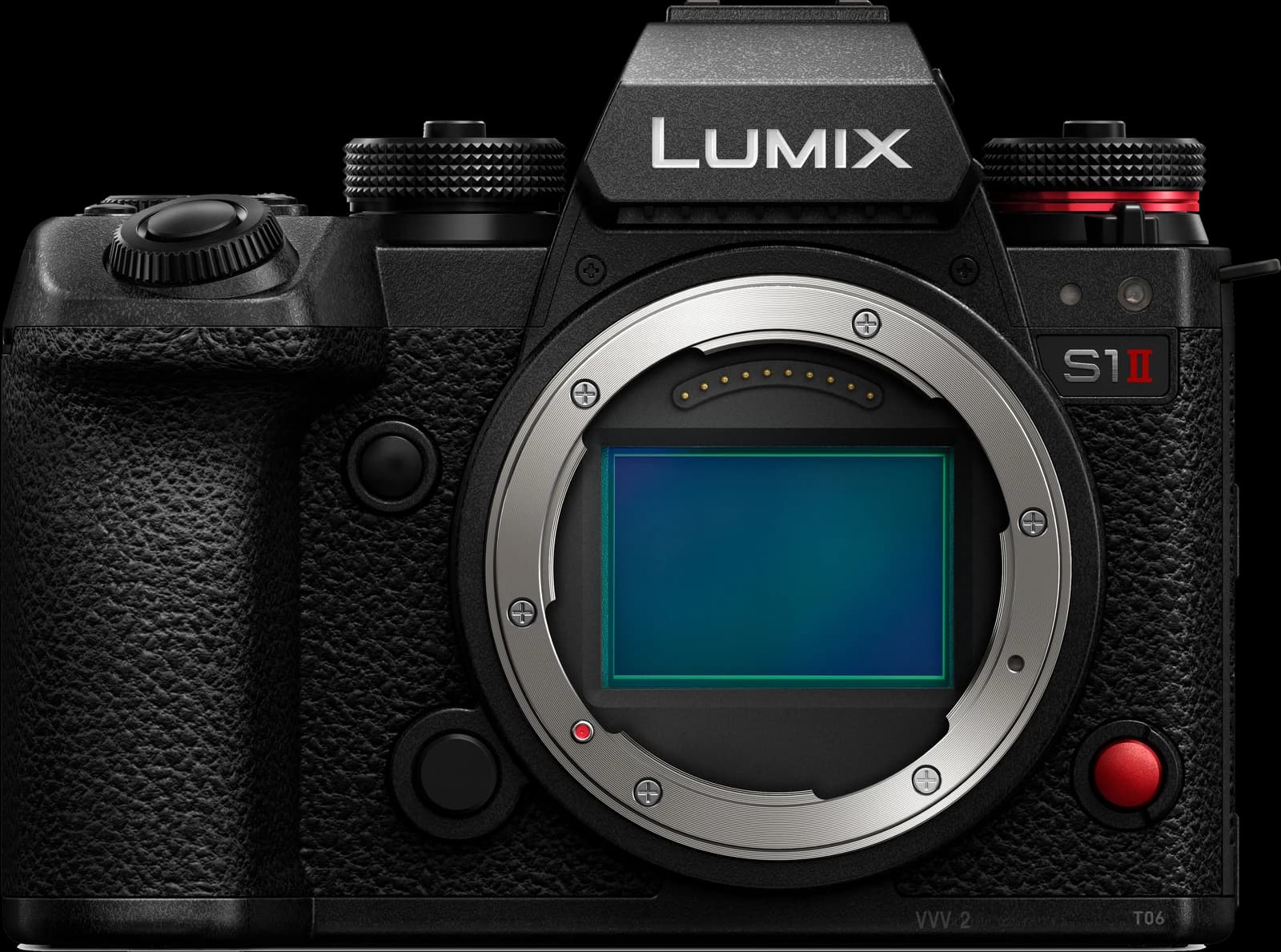
Panasonic Lumix S1 II Review: The Video Hybrid That Prioritises Photography
The Lumix S1 II targets hybrid videographers and wedding photographers who want internal ProRes RAW and 8 stops of IBIS, not sports shooters needing fast mechanical burst and deep buffer.
Read the review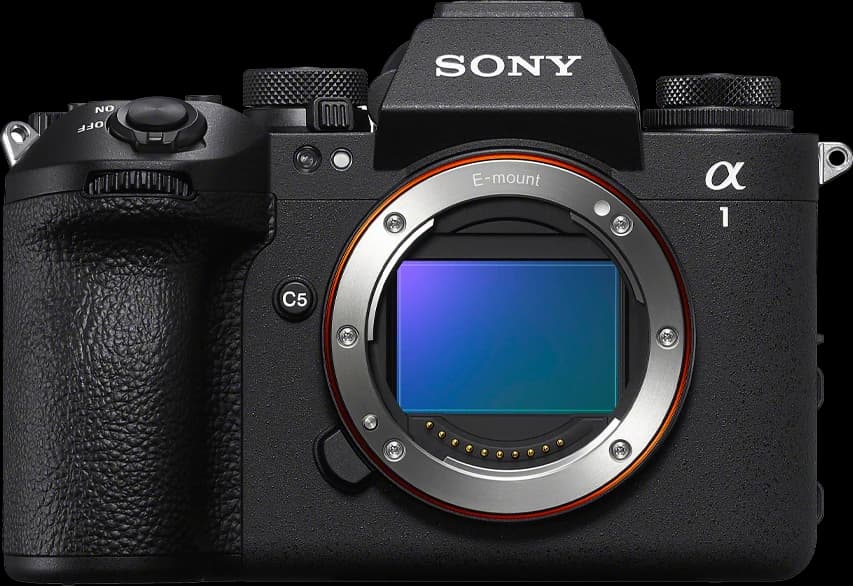
Review Sony α1 II: the high-end hybrid that wants to do it all
The Sony α1 II is the best all-round hybrid on the market for the professional photographer who refuses to choose between resolution, speed and stabilisation. At 6 499 USD it is not cheap, but no rival combines these three strengths to the same level.
Read the review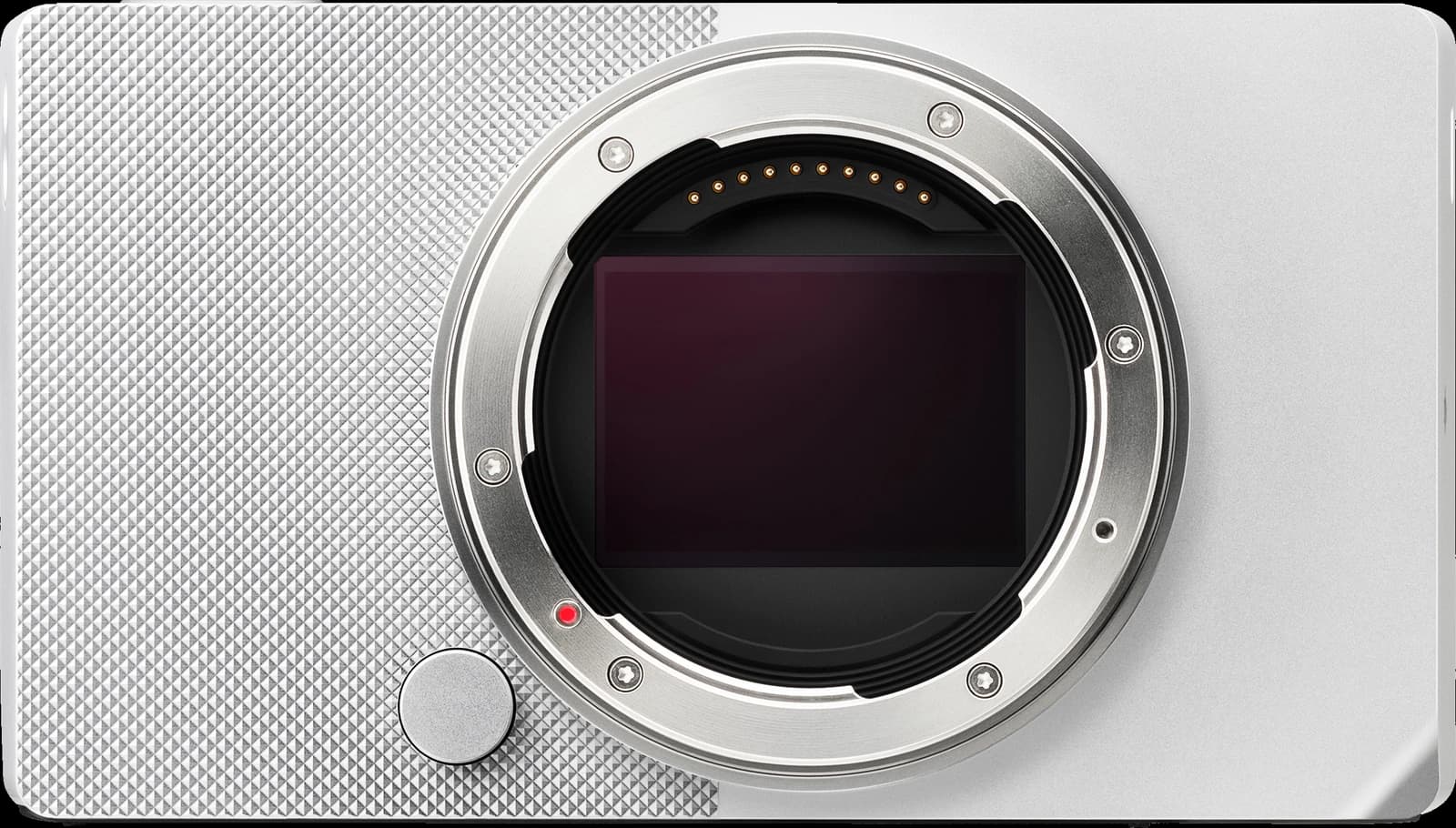
Review: Sigma BF – Does Radical Minimalism Come at a Price?
The Sigma BF targets the lightweight travel and reportage photographer willing to forgo IBIS, weather-sealing and a viewfinder for a discreet full-frame tool weighing 388 g. The compromises are real and deliberate.
Read the review