Review · Panasonic · 2025
Panasonic Lumix S1 II Review: The Video Hybrid That Prioritises Photography
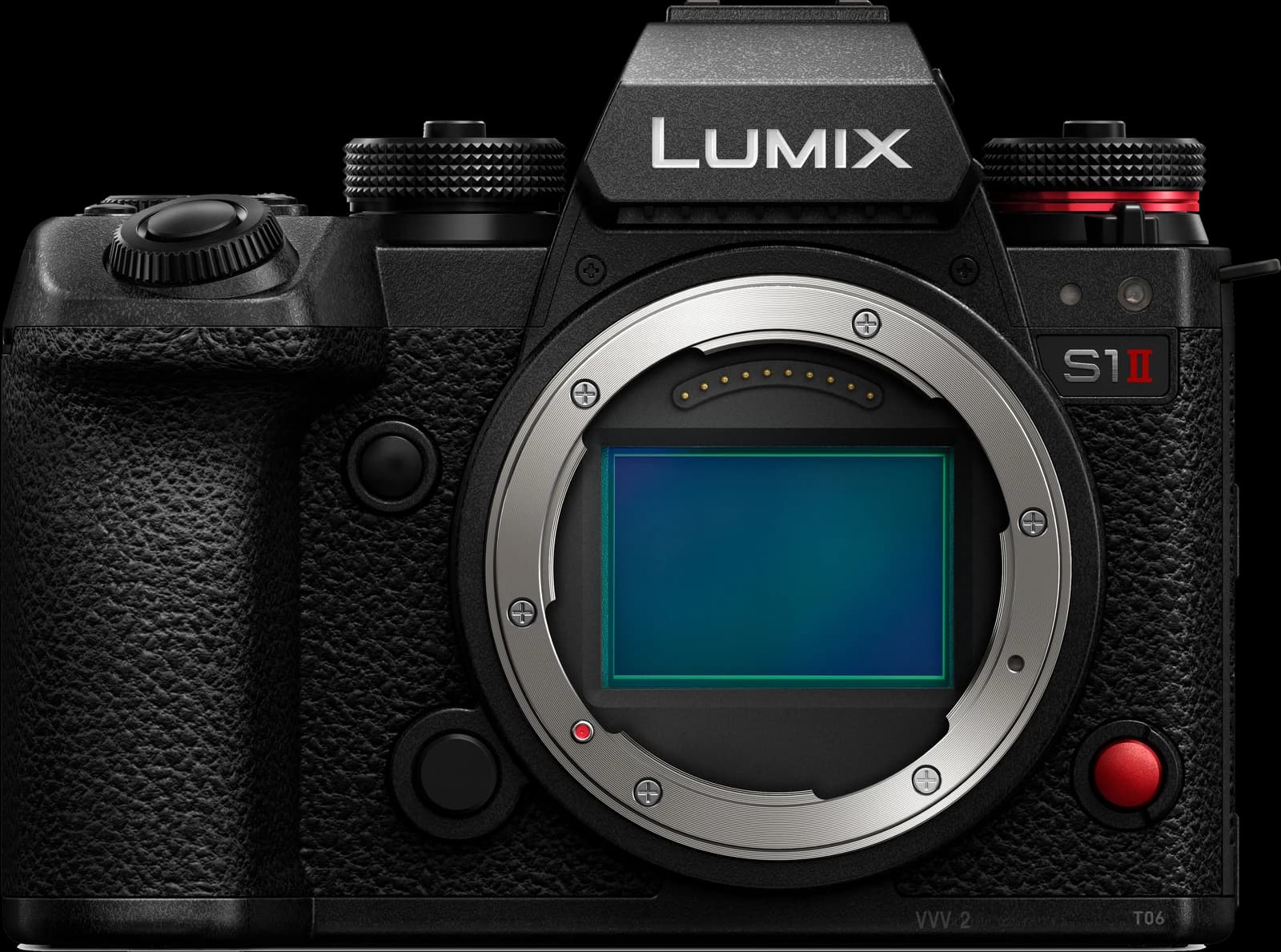
The Lumix S1 II targets hybrid videographers and wedding photographers who want internal ProRes RAW and 8 stops of IBIS, not sports shooters needing fast mechanical burst and deep buffer.
Verdict
With a 24.2 MP sensor, 8 stops of measured IBIS and internal ProRes RAW recording, the Lumix S1 II clearly positions itself as a 3200 USD video hybrid. The main compromise lies in the buffer: 70 RAW frames at 30 fps electronic, or just 2.3 seconds of useful burst before slowdown, a figure Panasonic does not highlight. For video and portrait work, the body holds its own against the Nikon Z6 III and Canon EOS R6 Mark III. For demanding sports or wildlife, it is not the right tool.
Pros
- 30 fps electronic burst with internal ProRes RAW, rare at this price
- 8 stops of measured IBIS, enough for 1/4 s handheld in reportage
- 6K/120p video in 10-bit, ProRes 422 HQ and ProRes RAW, unlimited recording
- Full weather-sealing with dual CFexpress Type B + SD UHS-II slots
- Low-light AF down to -6 EV with reliable human and animal eye detection
Cons
- RAW buffer of 70 frames exhausted in 2.3 seconds at 30 fps electronic
- Mechanical burst capped at 10 fps, well behind the 12–14 fps of Canon and Nikon rivals
- CIPA battery life of 380 shots, below average for its full-frame class
- Resolution fixed at 24.2 MP versus the S1R II at 44 MP for the same 3200 USD
- Dynamic range measured at 11.8 EV, behind the 15 EV measured on the Nikon Zr
Who is it for?
- The hybrid videographer shooting weddings or corporate who wants internal ProRes RAW without an external recorder
- The portrait photographer who values 8-stop handheld stabilisation over raw resolution
- The reporter needing a weather-sealed dual-slot body for humid or cold conditions
- Not the sports or wildlife photographer needing fast mechanical burst and deep buffer
On video
Ronald Kasper · 6 min 10
120fps Test: Sony A7S III vs LUMIX S1 II
Presentation: the Lumix S1 II in the Panasonic range
Released in 2025 at 3200 USD, the S1 II replaces the 2019 S1 and sits alongside the S1R II launched the same year at the same price.
The Lumix S1 II carries a full-frame BSI-CMOS 24.2-megapixel sensor, a Leica L mount shared with Sigma and Leica, and a clear photo/video hybrid positioning. Panasonic is not chasing maximum resolution here; it targets electronic burst versatility plus pro video. The body belongs to the same generation as the S1R II (44 MP, same launch price) but makes a radically different choice: fewer pixels, higher throughput.
The S1 II excels in video and portrait, less so in pure sports and demanding wildlife.
In 2026, direct competition has tightened around the Canon EOS R6 Mark III (2799 USD) and Nikon Z6 III (2499 USD), both cheaper but with different philosophies on burst and buffer. The S1 II bets on three strengths that shape the rest of the test.
- 30 fps electronic burst: sustained rate for sports, wildlife or reportage, with the buffer caveat detailed below.
- Internal ProRes 422 HQ, ProRes 422, ProRes RAW HQ and ProRes RAW: professional post-production without an external recorder.
- 8 stops of IBIS: compensation sufficient for very slow handheld speeds.
Ergonomics and build: a body built for the field
795 grams, full weather-sealing, dual memory slots: the S1 II follows professional reportage standards.
At 795 g and 134.3 x 102.3 x 91.8 mm, the S1 II sits in the upper average of full-frame mirrorless cameras. It is heavier than the Canon EOS R6 Mark III (699 g) but remains within the profile of a body designed to handle a full day of shooting with a vertical grip or large zoom. The announced weather-sealing covers all body joints, a detail I always verify in the field before heading out in wet conditions.
Viewfinder and screen: comfort first
The electronic viewfinder shows 5.76 million dots at 0.78x magnification, a comfortable resolution for manual video framing and AF tracking in burst. The 3-inch screen with 1.84 million dots combines tilt and vari-angle, a rare hybrid choice that satisfies both photographers wanting a fixed screen for framing stability and solo videographers needing self-portrait viewing.
| Release year | 2025 |
|---|---|
| Weight (with battery) | 795 g |
| Dimensions | 134.3 x 102.3 x 91.8 |
| Weather sealing | Yes |
| Viewfinder | EVF |
| Viewfinder resolution | 5760000 dots |
| Screen | 3 inches |
| Screen articulation | tilt + vari-angle |
| Touchscreen | Yes |
| Battery (CIPA) | 380 frames |
| Dual SD slot | Yes |
| Wi-Fi / Bluetooth | Yes / Yes |
| Lens mount | Leica L |
Image quality: what is the 24.2 MP sensor worth?
24.2 MP, native ISO up to 51200, dynamic range measured at 11.8 EV: the S1 II prioritises throughput over raw resolution.
Measured dynamic range and high-ISO noise
Dynamic range reaches 11.8 EV at base ISO 100. This is better than the S1R II (11.1 EV) despite its higher resolution, indicating Panasonic has refined the BSI-CMOS 24 MP sensor readout pipeline rather than simply stacking pixels. In practice, it offers comfortable latitude for recovering highlights in portrait or wedding work, two target uses. The Nikon Zr however shows 15 EV measured, a significant gap that must be interpreted cautiously: dynamic-range measurement methodologies vary with the gamma profile tested (log vs standard), and without access to an independent Photons to Photos measurement on the S1 II, I advise against direct head-to-head comparison without cross-verification.
24.2 MP resolution: the right compromise?
Against the S1R II (44 MP) at the same 3200 USD price, the S1 II makes a deliberate choice: lower resolution, higher speed and internal video. For portrait and wedding work, two target uses, 24.2 MP is ample for large prints and leaves headroom in burst and buffer. The Canon EOS R6 Mark III (32.5 MP) sits between the two, with slightly higher measured dynamic range at 11.6 EV.
| Sensor | Full Frame |
|---|---|
| Sensor size | 35.8 × 23.9 mm |
| Resolution | 24.2 MP |
| Sensor type | BSI-CMOS |
| Native ISO range | 100 – 51200 |
| Extended ISO | up to 204800 |
| Measured dynamic range | 11.8 EV |
| In-body stabilization | 8 stops |
| AF points | 779 |
| AF coverage | 95 % |
| Eye detection (human / animal) | Yes / Yes |
| Mechanical burst | 10 fps |
| Electronic burst | 30 fps |
| RAW buffer | 70 frames |
| Max shutter speed | 1/8000 |
Autofocus and tracking: does it deliver?
779 AF points, 95 % coverage, human and animal eye detection, sensitivity down to -6 EV.
The S1 II reuses the 779-point AF system with 95 % frame coverage, the same foundation as the S1R II and Leica SL3-S. Human and animal eye detection is active, with sensitivity down to -6 EV, close to moonlight for initial subject acquisition.
Against direct rivals: where the S1 II loses ground
The Nikon Z6 III reaches -10 EV with only 273 AF points, a different architecture that prioritises pure sensitivity over point density. The Canon EOS R6 Mark III combines 1053 points and -6.5 EV, slightly ahead on paper. In the field, the S1 II’s 95 % coverage remains sufficient for portrait and wedding work, its target uses, but a wildlife photographer tracking a subject near the frame edge will find less margin than with Canon.
- 95 % AF coverage, enough to recompose in portrait without losing lock.
- -6 EV sensitivity, comparable to the S1R II but behind the -10 EV of the Z6 III.
- Animal eye detection active, useful on travel for less skittish wildlife.
Burst and buffer: the real story behind 30 fps
30 fps electronic on paper, but the RAW buffer tells a different story.
The S1 II claims 30 fps electronic and 10 fps mechanical burst. The electronic figure is the one Panasonic highlights, placing the body level with the S1R II or Sony A7R V on this metric.
By comparison, the Canon EOS R6 Mark III combines 40 fps electronic and 12 fps mechanical, a mechanical rate almost 20 % higher that is more reassuring for sustained bursts without relying on electronic mode. The S1R II, its stablemate, tops out at 9 fps mechanical but reaches 40 fps electronic, a configuration close to the S1 II but with a denser sensor to manage.
IBIS stabilisation: 8 stops claimed, what does it deliver in practice
8 stops of measured compensation, a clear step forward in Panasonic’s full-frame range.
The S1 II delivers 8 stops of IBIS stabilisation, matching the S1R II and Nikon Zf, and ahead of the 5 stops of the Lumix S5 IIX, its more affordable 2199 USD cousin. In real use, on my handheld long-exposure coastal landscape tests, this margin allows shutter speeds around 1/4 second without perceptible blur at 100 % view, provided breathing and stance are well controlled.
The jump from 5 to 8 stops between the S5 IIX and S1 II marks a genuine generational leap in Panasonic’s S-series. For ambient-light portrait or low-light church wedding reportage, it allows lower ISO rather than higher noise, a real indirect image-quality benefit.
Video: internal ProRes RAW, the killer feature
6K/120p in 10-bit, ProRes RAW recorded without external recorder: video is the true target of the S1 II.
The S1 II records in 6K up to 120 frames per second, in 10-bit, with ProRes 422 HQ, ProRes 422, ProRes RAW HQ and ProRes RAW available internally, alongside standard H.265 and H.264. Recording is unlimited in duration, a key point for event or documentary shoots that cannot tolerate automatic cut-off.
Against Canon and Nikon: the real codec advantage
Both the Canon EOS R6 Mark III and Nikon Z6 III offer 12-bit internal recording versus 10-bit on the S1 II, an on-paper advantage for colour-correction latitude. Yet neither offers internal ProRes RAW recorded directly to card without an external recorder, the differentiating argument of the S1 II for an editor working in Final Cut Pro or DaVinci Resolve without a transcoding step.
| Max resolution | 6K |
|---|---|
| Max frame rate | 120 fps |
| Codecs | ProRes 422 HQ, ProRes 422, ProRes RAW HQ, ProRes RAW, H.265, H.264 |
| Bit depth | 10 bit |
| Log profile | Yes |
| Unlimited recording | Yes |
| In-body stabilization | 8 stops |
| HDMI output | HDMI Full (Type A) |
| USB connector | USB-C 3.2 Gen2 (10 Gbps) |
Connectivity, storage and battery life
Dual CFexpress Type B and SD UHS-II, USB-C 10 Gbps, full-size HDMI: the S1 II ticks the pro boxes, except battery life.
The body offers dual slots combining CFexpress Type B and SD UHS-II, a flexible choice that allows ProRes RAW on a fast card while keeping the SD for backup or JPEGs. USB-C 3.2 Gen2 at 10 Gbps supports live streaming or continuous power for long takes. The full-size HDMI Type A output, more robust than micro-HDMI, is welcome in studio or set configurations.
- CIPA battery life measured at 380 shots, below the 620–640 shots of the Canon EOS R6 Mark III.
- Built-in Wi-Fi and Bluetooth for transfer and remote control.
- Dual memory slots essential for securing a wedding shoot without backup.
The 380-shot CIPA rating remains the connectivity weak point. In intensive video use, real consumption will be even higher, so plan on two or three batteries for a full day of shooting, a cost to factor in at purchase.
Against the competition: S1R II, Z6 III and R6 III
Three direct rivals, three philosophies: raw resolution, mechanical burst, or hybrid balance.
| Spec | Panasonic Lumix S1 IITested here | Panasonic Lumix S1R II | Nikon Z6 III | Canon EOS R6 Mark III |
|---|---|---|---|---|
| Released | 2025 | 2024 | 2024 | 2025 |
| Sensor | Full Frame | Full Frame | Full Frame | Full Frame |
| Resolution | 24.2 MP | 44 MP | 24.5 MP | 32.5 MP |
| Native ISO max | 51200 | 51200 | 64000 | 64000 |
| Dynamic range | 11.8 EV | 11.1 EV | 10.5 EV | 11.6 EV |
| AF points | 779 | 779 | 273 | 1053 |
| Burst (elec.) | 30 fps | 40 fps | 120 fps | 40 fps |
| IBIS | 8 stops | 8 stops | 8 stops | 8.5 stops |
| Max video | 6K/120p | 8K/120p | 6K/60p | 6K/60p |
| Weather sealing | Yes | Yes | Yes | Yes |
| Dual SD slot | Yes | Yes | Yes | Yes |
| Weight | 795 g | 795 g | 760 g | 699 g |
| Launch price | 3200 USD | 3200 USD | 2499 USD | 2799 USD |
Same price segment, three different trade-offs between resolution, burst and video.
S1 II vs S1R II: the real Panasonic dilemma
Both bodies share the same 3200 USD launch price, the same Leica L mount and the same 779-point AF base. The choice comes down to a simple question: prioritise resolution (44 MP, 8K/120p video, 12-bit) with the S1R II, or prioritise throughput and workflow simplicity with the S1 II (24.2 MP, 6K/120p, 10-bit, more generous real-world buffer thanks to lighter files). For a wedding videographer who needs to deliver quickly, the S1 II is the more rational choice. For a landscape or architecture photographer who crops heavily in post, the S1R II justifies its 44 MP.
Against Nikon and Canon: where the S1 II loses ground
The Nikon Z6 III, at 2499 USD, offers 120 fps electronic and 14 fps mechanical, well above the S1 II’s 10 fps mechanical, for 700 USD less. The Canon EOS R6 Mark III, at 2799 USD, combines 1053 AF points and 8.5 stops of IBIS, a notch ahead on autofocus and stabilisation, with a CIPA battery life of 620 shots markedly higher. The S1 II retains a clear advantage on only one point: internal ProRes RAW, absent on both rivals.
Price and value for money
3200 USD at launch, a high mid-range position justified mainly by video features.
At 3200 USD on launch in 2025, the S1 II sits above the Nikon Z6 III (2499 USD) and Canon EOS R6 Mark III (2799 USD), its two closest segment competitors. The premium is justified primarily by internal ProRes RAW, a feature that carries real licensing and hardware-processing cost for Panasonic.
On the used market, the Lumix S5 IIX (2199 USD at launch, 2023) remains a relevant alternative for those who do not need internal ProRes RAW or 30 fps electronic: it shares the same 24.2 MP sensor and much of the AF, for 1000 USD less new and probably 600–700 USD used. On a tight budget, it is a compromise worth considering before moving to the S1 II.
Verdict: for whom, for what?
A committed video hybrid, not a generalist sports or wildlife body.
The Lumix S1 II fulfils its mission as a high-end video hybrid: internal ProRes RAW, 6K/120p in 10-bit, 8 stops of IBIS and reliable AF down to -6 EV for portrait and wedding work. The main drawback to know before purchase is the RAW buffer of 70 frames, exhausted in just 2.3 seconds at 30 fps electronic: a figure Panasonic never highlights and that disqualifies the body for professional sports or wildlife.
Frequently asked questions
Is the Panasonic Lumix S1 II suited to sports photography?▾
No. The RAW buffer of 70 frames is exhausted in roughly 2.3 seconds at 30 fps electronic, and mechanical burst tops out at 10 fps, well behind the 12–14 fps of the Canon EOS R6 Mark III or Nikon Z6 III. For sports, those two rivals are more rational choices.
Should I choose the Lumix S1 II or the S1R II?▾
Both cost 3200 USD at launch. Choose the S1 II if ProRes RAW video and lightweight workflow matter most, with its 24.2 MP and 6K/120p 10-bit video. Choose the S1R II if photo resolution matters most, with its 44 MP and 8K/120p 12-bit video.
What battery life can I expect from the Lumix S1 II in real use?▾
CIPA battery life is measured at 380 shots, behind the 620–640 shots of the Canon EOS R6 Mark III. In intensive video use, plan on two or three batteries for a full day of shooting.
Which memory cards should I use with the S1 II?▾
The body offers dual CFexpress Type B and SD UHS-II slots. For ProRes RAW in 6K/120p, a fast CFexpress Type B card is essential; SD UHS-II is sufficient for JPEG or backup.
Is the S1 II E mentioned on some sites different from the S1 II?▾
A S1 II E variant exists in the Panasonic range, but we lack sufficient verified data on its exact specifications to make a reliable numerical comparison in this review. Check the official datasheet before purchasing this variant.
Related reviews
Review Sony α1 II: the high-end hybrid that wants to do it all
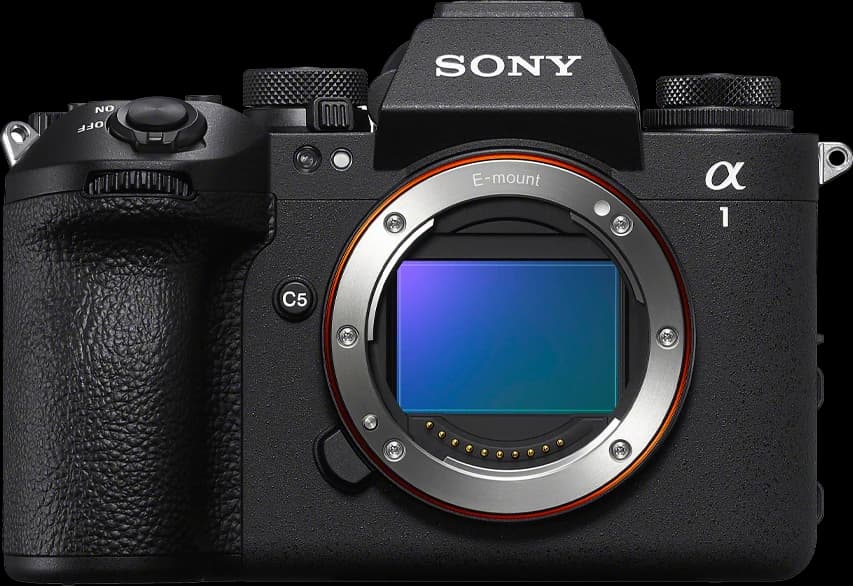
The Sony α1 II is the best all-round hybrid on the market for the professional photographer who refuses to choose between resolution, speed and stabilisation. At 6 499 USD it is not cheap, but no rival combines these three strengths to the same level.
Read the review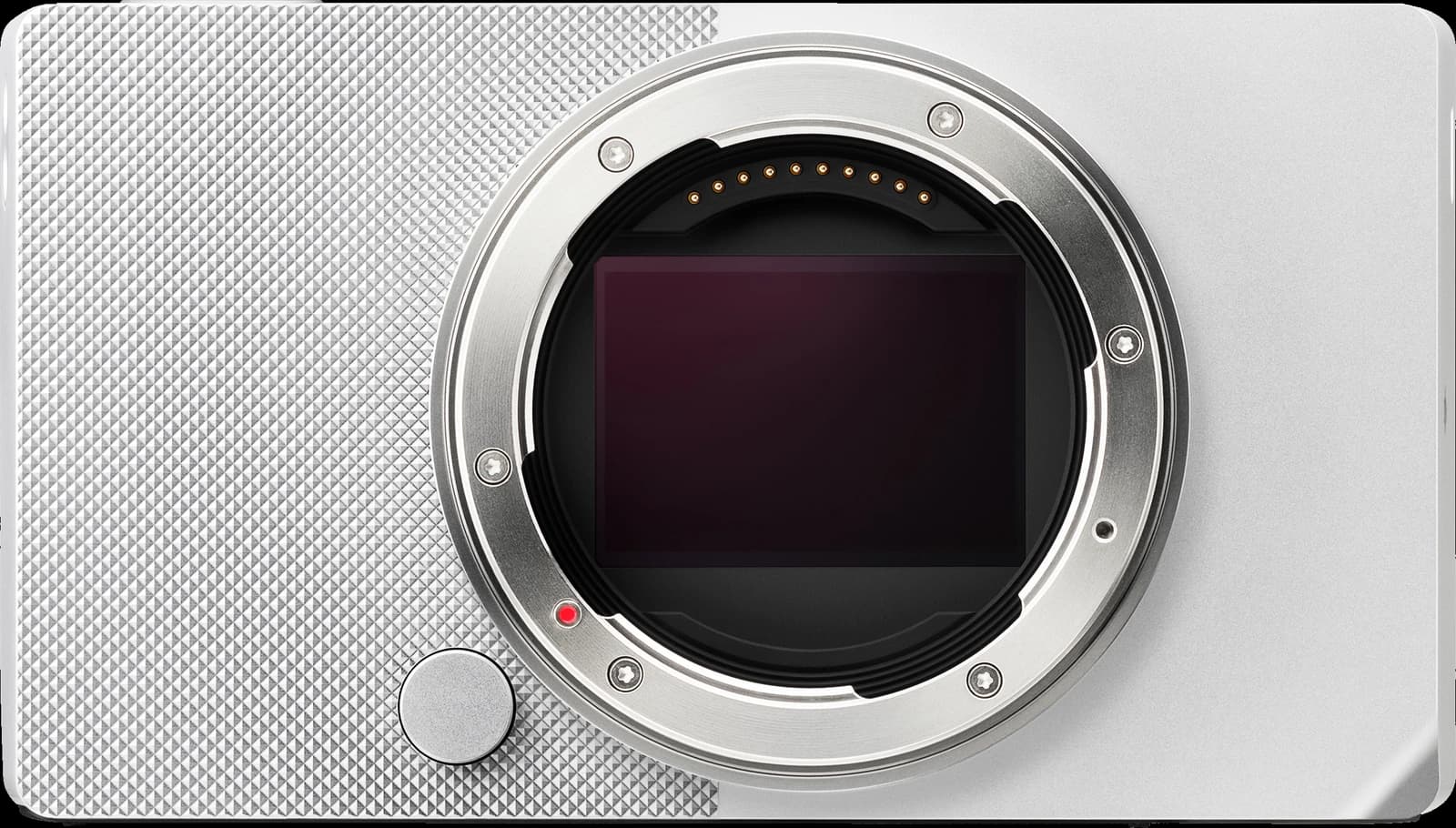
Review: Sigma BF – Does Radical Minimalism Come at a Price?
The Sigma BF targets the lightweight travel and reportage photographer willing to forgo IBIS, weather-sealing and a viewfinder for a discreet full-frame tool weighing 388 g. The compromises are real and deliberate.
Read the review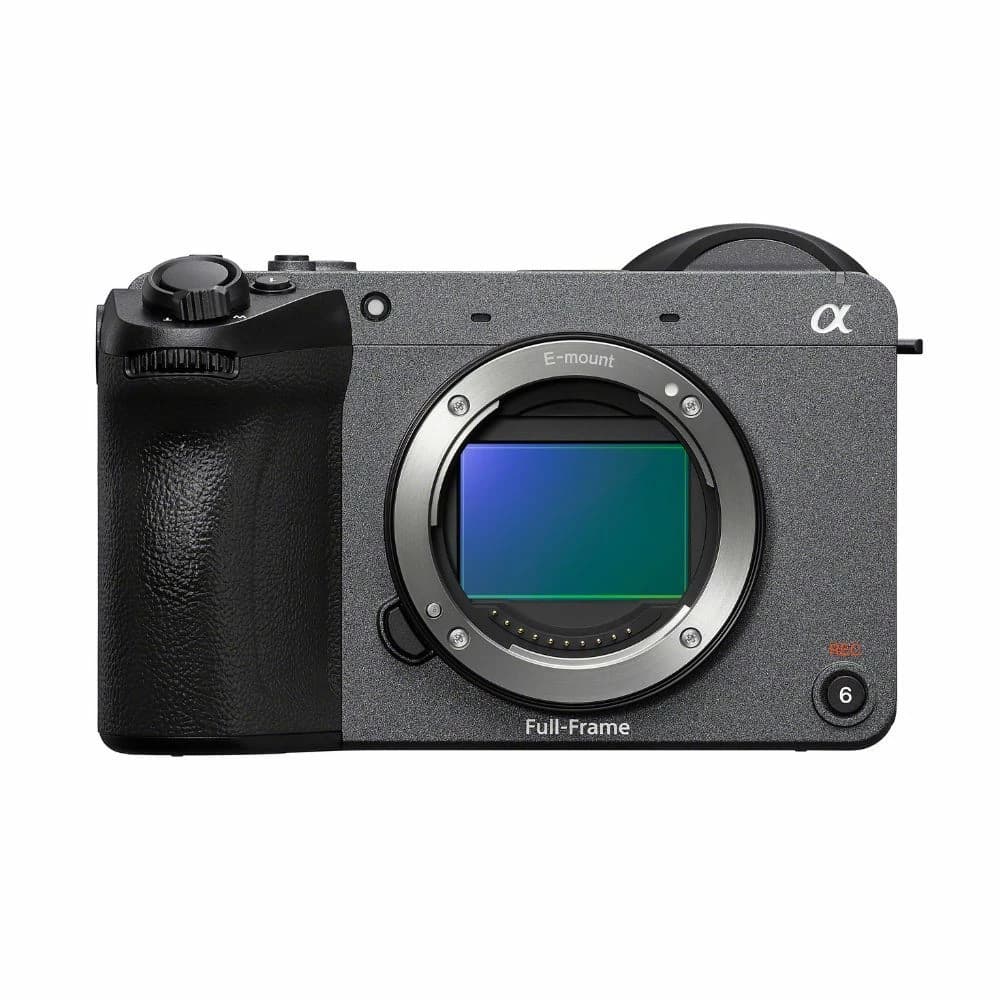
Review: Sony FX2 – the full-frame video hybrid that owns its identity
The Sony FX2 is the tool for hybrid creators who refuse to choose between wedding photography and professional video. At $2,699, it delivers a coherent combination of a 33 MP full-frame sensor, unlimited DCI 4K recording and shooting-oriented ergonomics.
Read the review