Review · Panasonic · 2024
Panasonic Lumix S1R II Review: 44 MP Hybrid Built for Creation
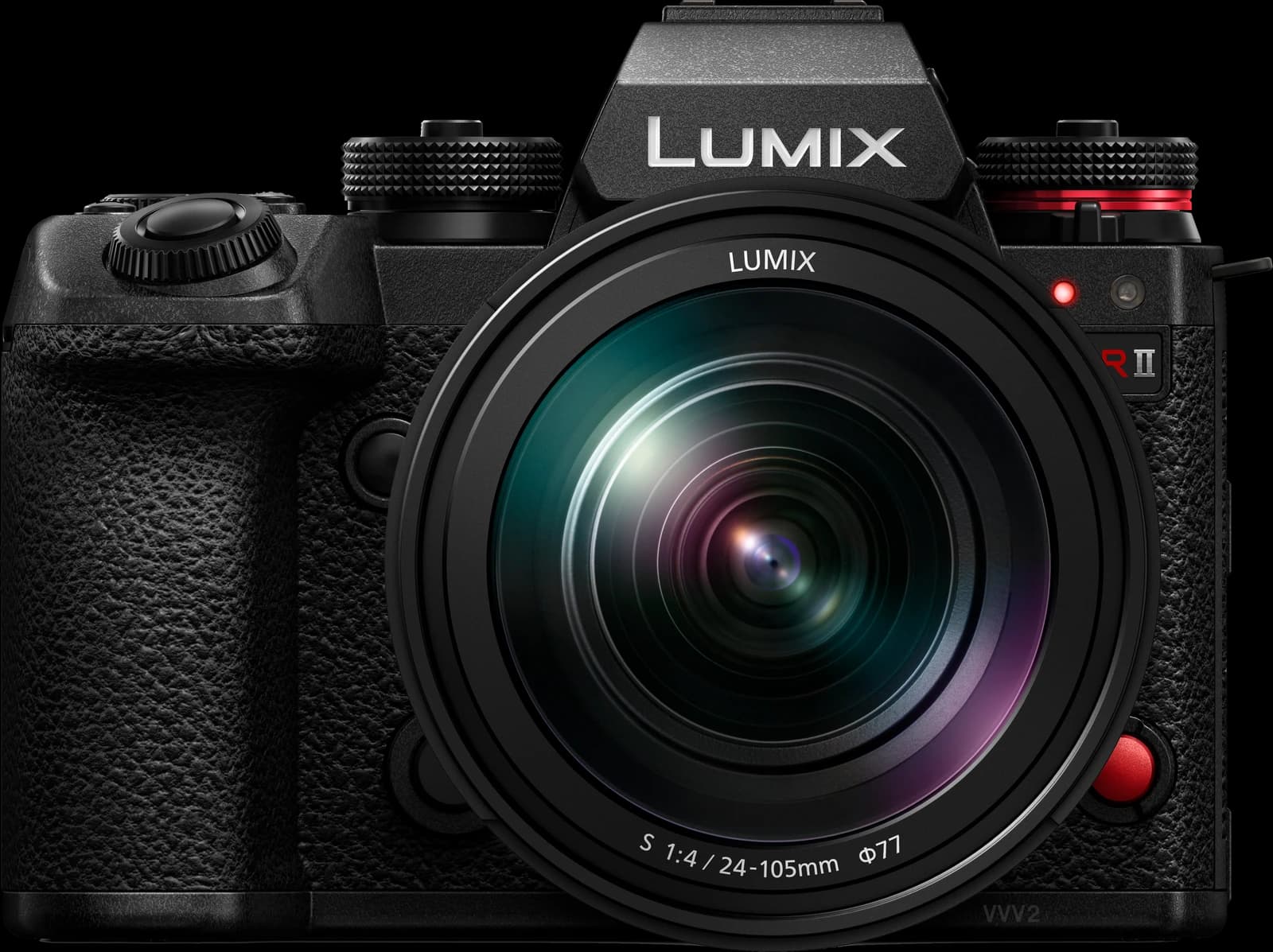
The Lumix S1R II is the most coherent choice for a hybrid photographer-videographer who wants 44 MP, 8K ProRes and 40 fps in a single weather-sealed body at 3 200 USD.
Verdict
The Panasonic Lumix S1R II combines on a single 44 MP BSI-CMOS sensor a dynamic range measured at 11,1 EV, an electronic burst at 40 fps, an IBIS stabilising 8 stops and 8K recording in ProRes with no time limit. This profile does not exist at Canon or Sony at this price: the Canon EOS R5 Mark II costs 4 299 USD for 45 MP and 30 fps, while the Sony α7R V offers 61 MP but tops out at 10 fps electronic and does not handle native ProRes. The main deal-breaker remains autofocus: 779 points versus 1 053 on Canon, and less robust subject detection in difficult conditions according to independent DPReview tests. For portrait, wedding and creative video work, the S1R II is the most complete body in its price bracket. For demanding sport or wildlife, the Canon EOS R5 Mark II or Nikon Z8 remain more reliable on focus.
Pros
- 44 MP BSI-CMOS with 11,1 EV measured dynamic range
- Electronic burst 40 fps, rare at this resolution
- IBIS stabilising 8 stops, among the best in full-frame
- Native 8K ProRes, unlimited recording, 12-bit codec
- Dual CFexpress Type B / SD UHS-II slots, robust weather-sealing
- EVF 5 760 000 dots at 0,78x magnification, class reference
Cons
- Autofocus 779 points behind the 1 053 of the Canon EOS R5 Mark II
- CIPA battery life 350 shots, insufficient for long sessions without grip
- Weight 795 g body only, heavy for light travel use
- L-Mount ecosystem still limited versus RF or Z in native lenses
Who is it for?
- The wedding photographer who wants 44 MP crop-friendly files and 40 fps to capture every decisive moment
- The creative videographer who demands native ProRes and unlimited 8K on a single body
- The studio portrait photographer who prints large and values dynamic range for retouching
- The hybrid photo-video professional who refuses to carry two separate bodies on assignment
On video
Damien Bernal · 19 min 56
Lumix S1R II : Qualité maximale (test terrain)
Presentation and positioning
The Lumix S1R II arrives in 2026 as the direct successor to the original S1R (2019). Panasonic positions this body at the crossroads of high-definition studio work and professional video production.
The Panasonic Lumix S1R II succeeds a S1R that had impressed with its build and image quality but suffered from the absence of phase-detection autofocus. Five years later, Panasonic finally integrates phase detection, raises resolution to 44 MP, adds a 40 fps electronic burst and opens the door to 8K ProRes. The body remains on the L-Mount, shared with Leica and Sigma through the L-Mount Alliance. This alliance is an asset for access to Sigma Art and Leica SL lenses, yet the native Panasonic ecosystem remains narrower than Canon RF or Nikon Z in sheer number of lenses.
In the high-end full-frame hybrid market, the S1R II sits directly against the Canon EOS R5 Mark II (4 299 USD, 45 MP, 30 fps) and the Nikon Z8 (4 000 USD, 45,7 MP, 120 fps). At 3 200 USD at launch, it is the least expensive of the three. This pricing is a genuine commercial argument, provided the compromises on autofocus and battery life are accepted.
Usage profile of the Lumix S1R II: strengths in video, resolution and stabilisation; autofocus and battery life relatively weaker.
The Lumix S1 II (2025, 24,2 MP, 3 200 USD) coexists in the range as a speed- and versatility-oriented alternative. The S1R II stands out with its higher resolution (44 MP versus 24,2 MP) and identical electronic burst (40 fps for the S1R II versus 30 fps for the S1 II). The choice between the two hinges on whether resolution or maximum native sensitivity takes priority.
Ergonomics and handling
The S1R II retains the build DNA of the S1 series: a substantial, fully weather-sealed body designed for intensive professional use.
Build and weather-sealing
The body weighs 795 g without lens, measuring 134 x 102 x 92 mm. It is heavy. For comparison, the Canon EOS R5 Mark II weighs 746 g and the Sony α7R V 723 g. The S1R II is not the choice for the minimalist traveller. On the positive side, Panasonic declares robust weather-sealing, and field experience with the original S1 series confirms serious resistance to rain and spray. I used the original S1 in coastal Brittany conditions: the construction inspires long-term confidence.
The grip is deep and natural even with heavy lenses such as the Sigma 70-200 mm f/2.8 DG DN Sports. Physical controls are plentiful: AF joystick, dedicated ISO and shutter-speed dials, AF-ON button reachable without repositioning the hand. This ergonomics is an advantage for professionals who frequently adjust settings without entering menus.
Viewfinder and screen
The EVF shows 5 760 000 dots with 0,78x magnification. It is the class reference. The Canon EOS R5 Mark II also offers 5 760 000 dots, but at 0,76x. The difference is minor in practice, yet the S1R II provides a slightly larger view. For precise framing in portrait or landscape work, this EVF ranks among the best available on a full-frame hybrid.
The rear screen measures 3 inches with 1 840 000 dots and features a fully articulated hinge. This suits video vlogging or low-angle framing perfectly. The screen is touch-sensitive, easing AF point selection in video. The 1 840 000-dot resolution is adequate without being exceptional: the Sony α7R V offers 2 100 000 dots on its rear screen.
| Release year | 2024 |
|---|---|
| Weight (with battery) | 795 g |
| Dimensions | 134 × 102 × 92 mm |
| Weather sealing | Yes |
| Viewfinder | EVF |
| Viewfinder resolution | 5760000 dots |
| Screen | 3 inches |
| Screen articulation | fully articulated |
| Touchscreen | Yes |
| Battery (CIPA) | 350 frames |
| Dual SD slot | Yes |
| Wi-Fi / Bluetooth | Yes / Yes |
| Lens mount | Leica L |
Image quality and sensor
The 44 MP BSI-CMOS sensor is the heart of the S1R II. Its dynamic range and high-ISO performance directly determine the body’s value for portrait and landscape work.
Dynamic range and measured noise
Dynamic range reaches 11,1 EV at base ISO. This is a solid figure for a sensor of this resolution, comparable to the 11,5 EV of the Canon EOS R5 Mark II (45 MP) and slightly below the 11,7 EV of the Sony α7R V (61 MP). In practice, 11,1 EV allows recovery of roughly 3 to 4 stops in highlights in RAW without visible artefacts, which is sufficient for portrait work in contrasty natural light and golden-hour landscapes. It does not match the Leica M11-P measured at 15,1 EV, but that camera offers neither comparable burst nor video.
The expert angle matters: the 11,1 EV dynamic range is measured at native ISO 100. As sensitivity rises, dynamic range falls. At ISO 3 200, BSI sensors of this generation typically lose 1,5 to 2 EV according to Photons to Photos data. The S1R II is no exception. For wedding photographers often working indoors at ISO 3 200 or 6 400, effective dynamic range drops to around 9 to 9,5 EV, still usable but requiring careful exposure.
Native sensitivity and high ISO
Native ISO range extends from 100 to 51 200, with extension to 204 800. The BSI sensor brings a genuine advantage over conventional CMOS sensors in low light: the photodiode sits closer to the surface, reducing read noise. Compared with the original S1R (conventional CMOS), the gain is noticeable from ISO 6 400. Against the Sony α7R V (61 MP, native max ISO 32 000), the S1R II offers a wider native range, consistent with its more modest resolution.
The 44 MP resolution allows generous cropping. In A3+ prints (329 x 483 mm) at 300 dpi, you retain roughly 30 % cropping margin without falling below optimal print resolution. For studio portrait or wedding work, this latitude is a concrete commercial argument when clients request large-format prints.
| Sensor | Full Frame |
|---|---|
| Sensor size | 35.8 × 23.9 mm |
| Resolution | 44 MP |
| Sensor type | BSI-CMOS |
| Native ISO range | 100 – 51200 |
| Extended ISO | up to 204800 |
| Measured dynamic range | 11.1 EV |
| In-body stabilization | 8 stops |
| AF points | 779 |
| AF coverage | 100 % |
| Eye detection (human / animal) | Yes / Yes |
| Mechanical burst | 9 fps |
| Electronic burst | 40 fps |
| Max shutter speed | 1/8000 |
Autofocus: real progress, yet not the best in class
Autofocus has been Panasonic’s historic weak point on the S series. The S1R II marks a break with the DFD (Depth From Defocus) of the original S1R by finally integrating phase detection.
Architecture and coverage
The S1R II features 779 AF points with 100 % sensor coverage. Detection reaches down to -6 EV, covering most low-light indoor situations. Both human-eye and animal-eye detection are available. On paper the system is complete. In practice, DPReview and Imaging Resource tests published after launch report fast initial acquisition but less robust tracking than Canon or Sony on unpredictably moving subjects.
The 779-point figure must be put in perspective. The Canon EOS R5 Mark II offers 1 053 AF points, 35 % more. This higher density improves tracking precision on small subjects in the frame, especially in wildlife. The Nikon Z8 shows 493 points but on a stacked CMOS sensor that processes data faster, partially offsetting the lower density. The S1R II sits between the two in real-world performance.
Subject detection: what works, what drops
Human-eye detection works reliably in static or slow-moving portraiture, the main use case for this body. In wedding work it maintains focus on the principal subject’s face even with several people in frame. Animal-eye detection functions, yet independent tests rank it behind Canon Dual Pixel AF II on fast-moving subjects.
Burst and stabilisation
The combination of 40 fps electronic burst and 8-stop IBIS is rare at this resolution. It justifies a significant part of the S1R II’s positioning.
Burst: 40 fps electronic, 9 fps mechanical
Electronic burst reaches 40 fps. This matches the Canon EOS R6 V (40 fps, 32,5 MP), yet on a 44 MP sensor, which is technically more demanding. The Nikon Z8 reaches 120 fps electronic, but on a stacked sensor that reads data faster and avoids rolling shutter. The S1R II uses a non-stacked BSI sensor: at 40 fps, rolling shutter can appear on very fast subjects or rapid pans. This point is not precisely documented in available data, but is inherent to the non-stacked BSI architecture.
Mechanical burst is limited to 9 fps. This is adequate for portrait and wedding work, yet behind the 12 fps mechanical of the Canon EOS R5 Mark II. Maximum shutter speed reaches 1/8 000 s mechanical. For sport photography in bright sun with a wide aperture, this limit is standard in the category.
IBIS 8 stops: concrete impact in photo and video
IBIS compensates 8 stops of shake. In practice, with a 50 mm equivalent lens, this allows shutter speeds around 1/6 s to 1/13 s while maintaining sharp handheld images, depending on conditions. For landscape work in fading light or video without an external stabiliser, this is a decisive advantage. The Canon EOS R5 Mark II claims 8,5 stops combined body-lens, half a stop more. The difference is marginal in real use.
- 8 stops IBIS compensated, among the best in full-frame
- Electronic burst 40 fps on 44 MP, rare combination at this price
- Mechanical burst 9 fps, adequate for portrait and wedding
- Maximum shutter speed 1/8 000 s mechanical, category standard
Video: 8K ProRes without compromise
Video is the strongest differentiating argument of the S1R II against its direct rivals. Panasonic has built a complete professional video pipeline inside a hybrid body.
Resolutions and frame rates
The S1R II records up to 8K at 120 fps according to manufacturer data. This maximum rate is exceptional: the Canon EOS R5 Mark II tops out at 8K 60 fps, the Nikon Z8 at 8K 30 fps. In 4K, available rates support slow-motion and broadcast fluidity. Recording is unlimited in duration, essential for long shoots (events, documentary, wedding).
The ProRes codec is available natively. This is a direct advantage for colourists and editors working in DaVinci Resolve or Final Cut Pro: ProRes avoids a transcoding step and preserves quality through each render generation. H.264 and H.265 codecs are also available for uses prioritising smaller files. Bit depth reaches 12 bits, offering greater colour-correction latitude than the 10-bit standard of most competitors.
Log and video connectivity
Log recording is available, providing a flat response curve to maximise latitude in post-production. The HDMI output is full-size HDMI (Type A), easing connection to an external recorder or professional field monitor without an adapter. USB is USB 3.2 Gen 2 (10 Gbit/s), allowing fast transfer of 8K ProRes files whose data rate can be high.
For videographers comparing the S1R II with the Canon EOS R5 C (4 499 USD, 45 MP, 8K 30 fps, 12 bits), the S1R II is 1 299 USD cheaper and offers a higher maximum 8K frame rate. The Canon EOS R5 C benefits from dedicated active cooling, yet the S1R II’s unlimited recording largely compensates for moderate-length shoots.
| Max resolution | 8K |
|---|---|
| Max frame rate | 120 fps |
| Codecs | H.264, H.265, ProRes |
| Bit depth | 12 bit |
| Log profile | Yes |
| Unlimited recording | Yes |
| In-body stabilization | 8 stops |
| HDMI output | HDMI Full HDMI |
| USB connector | USB 3.2 Gen 2(10 GBit/sec) |
Connectivity and card management
Dual slots and connection options determine reliability in professional conditions. The S1R II makes no concessions here.
The S1R II features dual slots: CFexpress Type B and SD UHS-II. The CFexpress Type B slot is essential for writing high-bitrate 8K ProRes files without buffer saturation. The SD UHS-II slot ensures compatibility with cards already in most professionals’ kit. The absence of dual CFexpress is an acceptable compromise: few photographers need two high-speed slots simultaneously.
USB 3.2 Gen 2 (10 Gbit/s) allows direct transfer to a computer or external SSD without a card reader. In 8K ProRes shooting, files are large: this transfer speed saves real time at the end of the day. Wi-Fi and Bluetooth are built in for wireless transfer and remote control via the Lumix Lab app.
- Dual slot CFexpress Type B + SD UHS-II, no compromise on redundancy
- USB 3.2 Gen 2 (10 Gbit/s) for fast transfer of large files
- Full HDMI (Type A) without adapter for external monitors and recorders
- Wi-Fi and Bluetooth built in, compatible with Lumix Lab app
Battery life: the weakness to manage
The CIPA rating of 350 shots is the most concerning figure on the spec sheet. It deserves honest analysis.
CIPA battery life is rated at 350 shots. This is the lowest in the category: the Canon EOS R5 Mark II reaches 630 shots, the Nikon Z8 340 (slightly lower), the Sony α7R V 530. In real use, CIPA figures are pessimistic by roughly 30 to 50 % for photographers who disable Wi-Fi and limit screen use. In wedding work, expect 600 to 800 real shots per charge with mixed EVF/screen use. For a full wedding day (1 500 to 2 000 shots), two spare batteries are essential.
The battery is the DMW-BLJ31, shared with the original S1R and S1 II. Third-party batteries are widely available, reducing solution cost. An official or third-party battery grip doubles endurance at the price of extra weight on an already heavy body.
Against direct competition
The S1R II fights on three fronts: high-resolution full-frame, professional hybrid video and value for money. Here is where it wins and where it loses.
Against the Canon EOS R5 Mark II
The Canon EOS R5 Mark II (4 299 USD, 45 MP, stacked sensor) is the closest rival. It offers 1 053 AF points versus 779 on the S1R II, a 30 fps electronic burst versus 40 fps, and 8,5-stop IBIS versus 8 stops. Canon clearly wins on autofocus and tracking reliability. The S1R II counters with a 1 099 USD lower price, native 12-bit ProRes and higher 8K frame rate. For a wedding photographer who values AF, Canon is safer. For a hybrid videographer wanting ProRes without extra cost, the S1R II is more coherent.
Against the Nikon Z8
The Nikon Z8 (4 000 USD, 45,7 MP, stacked sensor) offers 120 fps electronic versus 40 fps on the S1R II. The Nikon advantage is massive for sport and wildlife. Conversely, the Z8 weighs 910 g versus 795 g for the S1R II, and its CIPA battery life is 340 shots, slightly lower. The Z8 does not offer native ProRes. For creative video, the S1R II is more complete. For pure speed, the Z8 has no equal in this price range.
Against the Sony α7R V
The Sony α7R V (3 900 USD, 61 MP) delivers 38 % higher resolution and 11,7 EV measured dynamic range versus 11,1 EV. Yet it tops out at 10 fps electronic, does not handle native ProRes and its IBIS is rated at 8 stops (identical to the S1R II). For a studio photographer printing very large, Sony is more relevant. For a hybrid photo-video profile, the S1R II is more versatile.
| Spec | Panasonic Lumix S1R IITested here | Canon EOS R5 Mark II | Nikon Z8 | Sony α7R V |
|---|---|---|---|---|
| Released | 2024 | 2024 | 2023 | 2022 |
| Sensor | Full Frame | Full Frame | Full Frame | Full Frame |
| Resolution | 44 MP | 45 MP | 45.7 MP | 61 MP |
| Native ISO max | 51200 | 51200 | 25600 | 32000 |
| Dynamic range | 11.1 EV | 11.5 EV | 11.3 EV | 11.7 EV |
| AF points | 779 | 1053 | 493 | 693 |
| Burst (elec.) | 40 fps | 30 fps | 120 fps | 10 fps |
| IBIS | 8 stops | 8.5 stops | 8 stops | 8 stops |
| Max video | 8K/120p | 8K/60p | 8K/30p | 8K/60p |
| Weather sealing | Yes | Yes | Yes | Yes |
| Dual SD slot | Yes | Yes | Yes | Yes |
| Weight | 795 g | 746 g | 910 g | 723 g |
| Launch price | 3200 USD | 4299 USD | 4000 USD | 3900 USD |
S1R II vs R5 Mark II vs Z8 vs α7R V: the S1R II wins on price and ProRes, loses on AF and pure speed.
Compatible lenses and L-Mount ecosystem
Mount choice determines long-term investment. The L-Mount Alliance offers serious options, yet the ecosystem remains narrower than RF or Z.
The L-Mount is shared between Panasonic, Leica and Sigma. This grants access to Sigma Art lenses in L-Mount, recognised for value, and Leica SL lenses, recognised for optical quality but at high prices. Panasonic offers its own S-Pro and S ranges, with focal lengths covering common portrait-to-telephoto needs.
The L-Mount catalogue today contains several dozen native lenses, covering the needs of portrait, wedding and landscape photographers. For specialised uses (super-telephoto sports, high-resolution macro), the Canon RF or Nikon Z catalogues are better stocked. This point must be factored into the purchase decision if migrating from another system: the cost of lens migration can exceed that of the body.
Price and value for money
At 3 200 USD at launch, the S1R II is the least expensive 44 MP full-frame body with 8K ProRes. This positioning deserves precise analysis.
The launch price of 3 200 USD places the S1R II 1 099 USD below the Canon EOS R5 Mark II and 800 USD below the Nikon Z8. For a hybrid photo-video profile, this gap is significant: it represents the budget for a quality Sigma Art lens. Value for money is objectively favourable if you value ProRes video and 44 MP resolution.
On the used market, the original S1R (2019, 47,3 MP, no phase detection) trades around 1 500 to 1 800 EUR in good condition. If your use is exclusively photographic and phase-detection autofocus is not a priority (studio, static landscape), the original S1R remains a credible alternative at less than half the price of the S1R II. For video and burst work, however, the S1R II has no equivalent in the Panasonic range.
Verdict
The Panasonic Lumix S1R II is a complete professional hybrid body with clear strengths and identified compromises. Here is the unambiguous conclusion.
The S1R II is the best market choice for a hybrid photographer-videographer who wants 44 MP, 8K ProRes 12-bit, 40 fps and 8-stop IBIS in a single weather-sealed body at 3 200 USD. This combination does not exist at Canon or Sony at this price. The 779-point autofocus is sufficient for portrait, wedding and video. It is insufficient for professional sport and high-speed wildlife: on those uses, the Canon EOS R5 Mark II or Nikon Z8 remain more reliable.
The 350-shot CIPA battery life is the only operational deal-breaker: two spare batteries are essential for any long session. The 795 g body weight must be anticipated if travelling light. The L-Mount ecosystem is complete for portrait and wedding work, yet more limited for sport or macro specialisations.
- Buy the S1R II if you shoot portrait, wedding or hybrid creative video
- Choose the Canon EOS R5 Mark II if autofocus and tracking reliability are priorities
- Choose the Nikon Z8 if you need 120 fps electronic for sport or wildlife
- Choose the Sony α7R V if you print very large and 61 MP justify the extra cost
Frequently asked questions
Is the Panasonic Lumix S1R II suited to sport photography?▾
No, not for demanding professional use. The 779-point autofocus and phase detection of the S1R II are reliable for portrait and wedding, yet tracking on unpredictable high-speed subjects is less robust than the Canon EOS R5 Mark II (1 053 AF points, stacked sensor) or Nikon Z8 (120 fps electronic, stacked sensor). The 40 fps burst is a good rate, yet rolling shutter inherent to the non-stacked BSI sensor can be an issue on very fast subjects. For amateur sport or dynamic reportage, the S1R II is acceptable. For professional sport, choose the Z8 or R5 Mark II.
What is the difference between the Lumix S1R II and the Lumix S1 II?▾
Both bodies share the L-Mount, the same 795 g weight and the same 3 200 USD launch price. The S1R II reaches 44 MP versus 24,2 MP on the S1 II, and offers a 40 fps electronic burst versus 30 fps. The S1 II shows slightly higher dynamic range (11,8 EV versus 11,1 EV) and identical native sensitivity (51 200 ISO). The choice boils down to priority on resolution: if you print large or crop often, the S1R II is the right choice. If you prioritise sensitivity and speed, the S1 II is more coherent.
Can the Lumix S1R II replace a professional video camera?▾
For many hybrid production uses, yes. The S1R II records 8K ProRes 12-bit with no time limit, full-size HDMI output and Log available. These features cover documentary, music video, cinematic wedding and branded content needs. It does not replace a dedicated cinema camera (no built-in cage, no active cooling, no large battery endurance), yet at 3 200 USD it is more complete in video than the Canon EOS R5 Mark II (4 299 USD) and Nikon Z8 (4 000 USD) on the codec-depth-resolution criteria.
Which memory card should be used with the Lumix S1R II?▾
For high-bitrate 8K ProRes recording, a CFexpress Type B card is essential in the primary slot. Angelbird AV Pro CFexpress Type B or ProGrade Digital Gold Series cards are compatible and offer sufficient write speeds. The second slot accepts SD UHS-II cards for parallel backup or lower-resolution JPEG and video files. Avoid SD UHS-I cards in the second slot for high-resolution video: write speed would be insufficient.
Does the Lumix S1R II autofocus work well in video?▾
Yes, better than in sport photography. In video, subjects generally move more slowly and continuous AF has time to adjust. Human-eye detection reliably maintains focus on the principal subject’s face in portrait video and interviews. Focus transitions are smooth and progressive, suited to narrative video. For tracking fast-moving subjects in video (sport, wildlife), the limits noted in stills also apply.
Does the Lumix S1R II represent value against the Sony α7R V?▾
It depends on your main use. The Sony α7R V (3 900 USD) offers 61 MP versus 44 MP and 11,7 EV measured dynamic range versus 11,1 EV. Yet it tops out at 10 fps electronic, does not handle native ProRes and costs 700 USD more. If you are a high-resolution studio or landscape photographer without need for ProRes video or fast burst, Sony is more relevant. If you shoot hybrid video or wedding with burst, the S1R II is more coherent at its price.
Related reviews
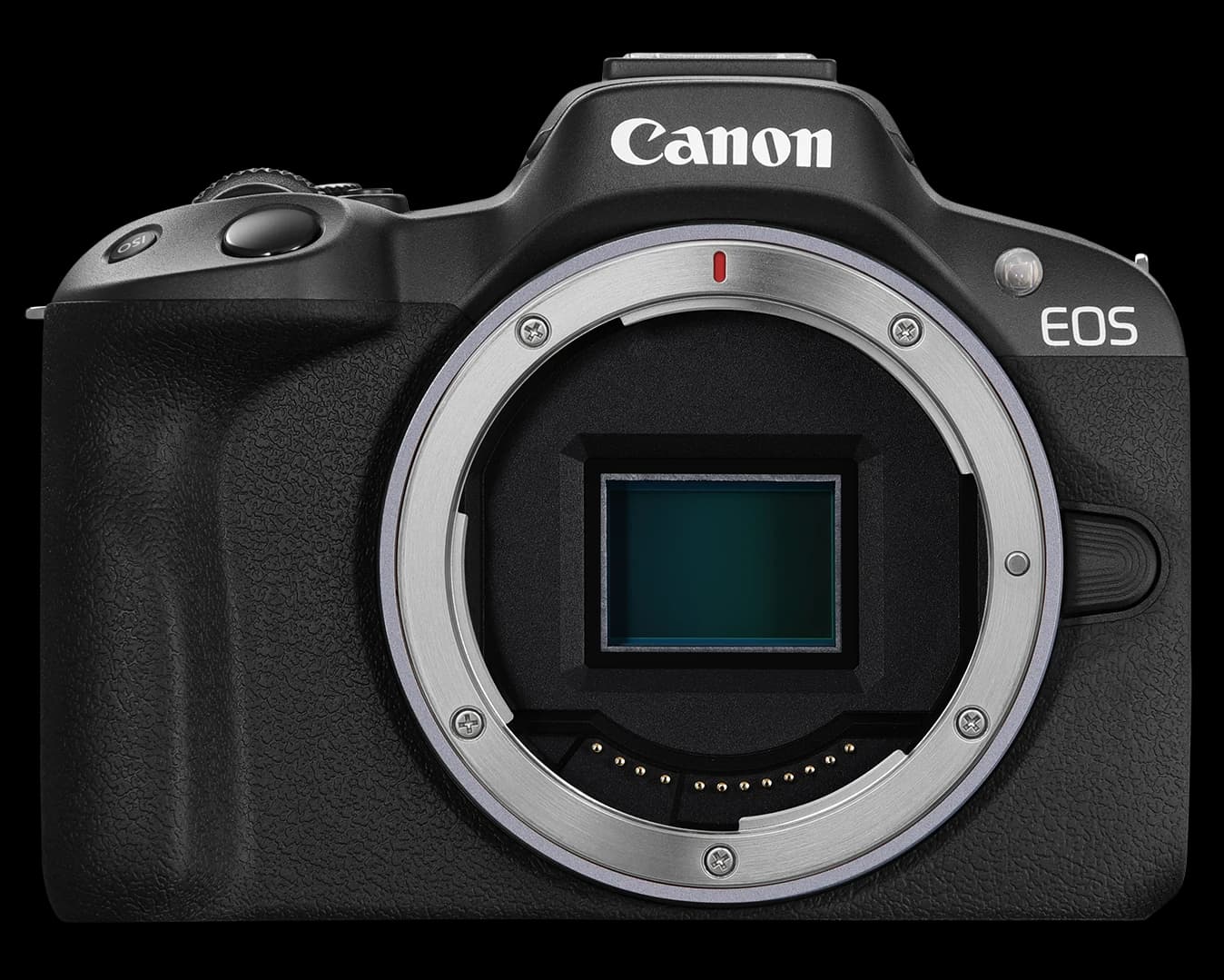
Canon EOS R50 Review: Still the Right Choice for Beginners in 2026?
The Canon EOS R50 targets beginners and light travellers with 651 AF points and 375 g on the scales. A sensible choice under 700 USD, provided you accept the lack of IBIS and a RAW buffer of only 7 frames.
Read the review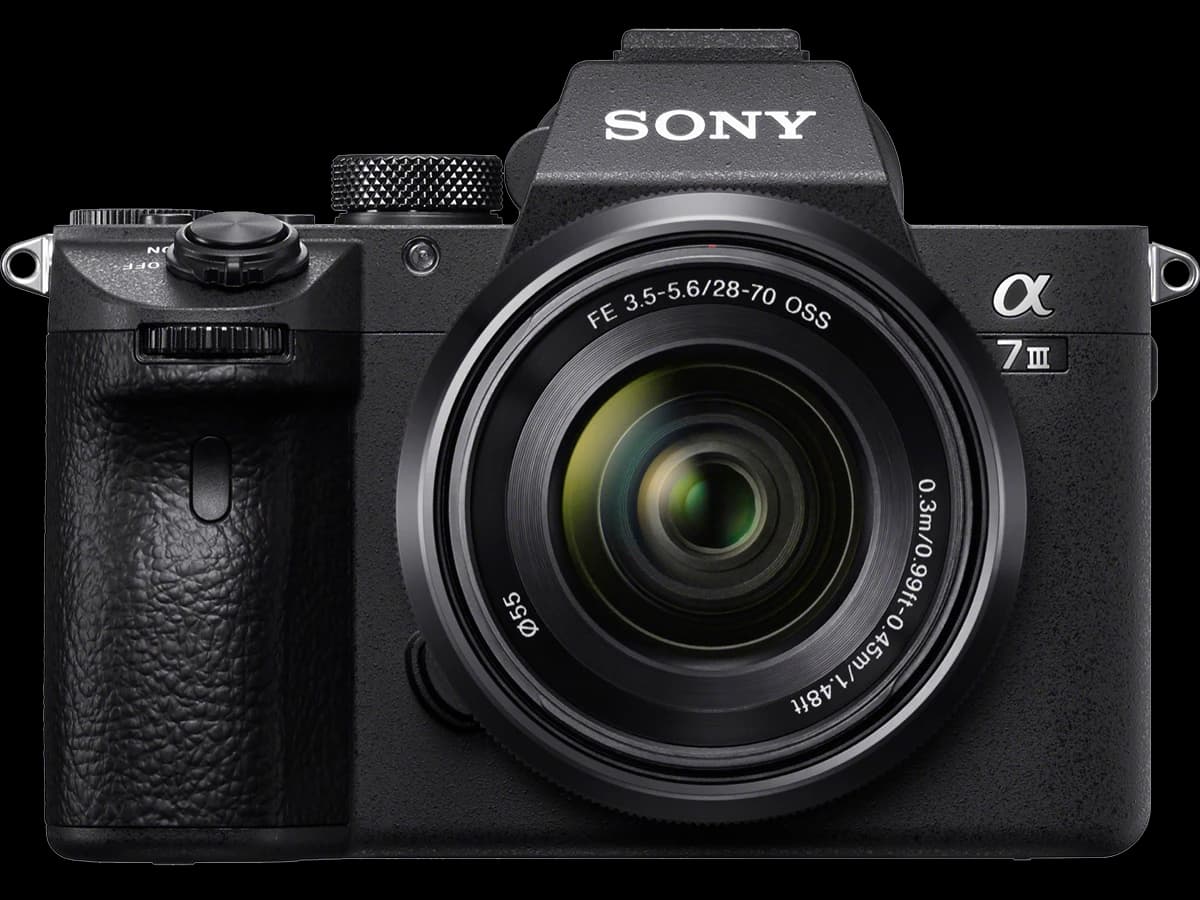
Review: Sony α7 III – Still Relevant in 2026?
The Sony α7 III remains an excellent used choice for weddings, portraits and travel thanks to its **710-shot CIPA battery life** and 693-point AF. Demanding videographers should look elsewhere.
Read the review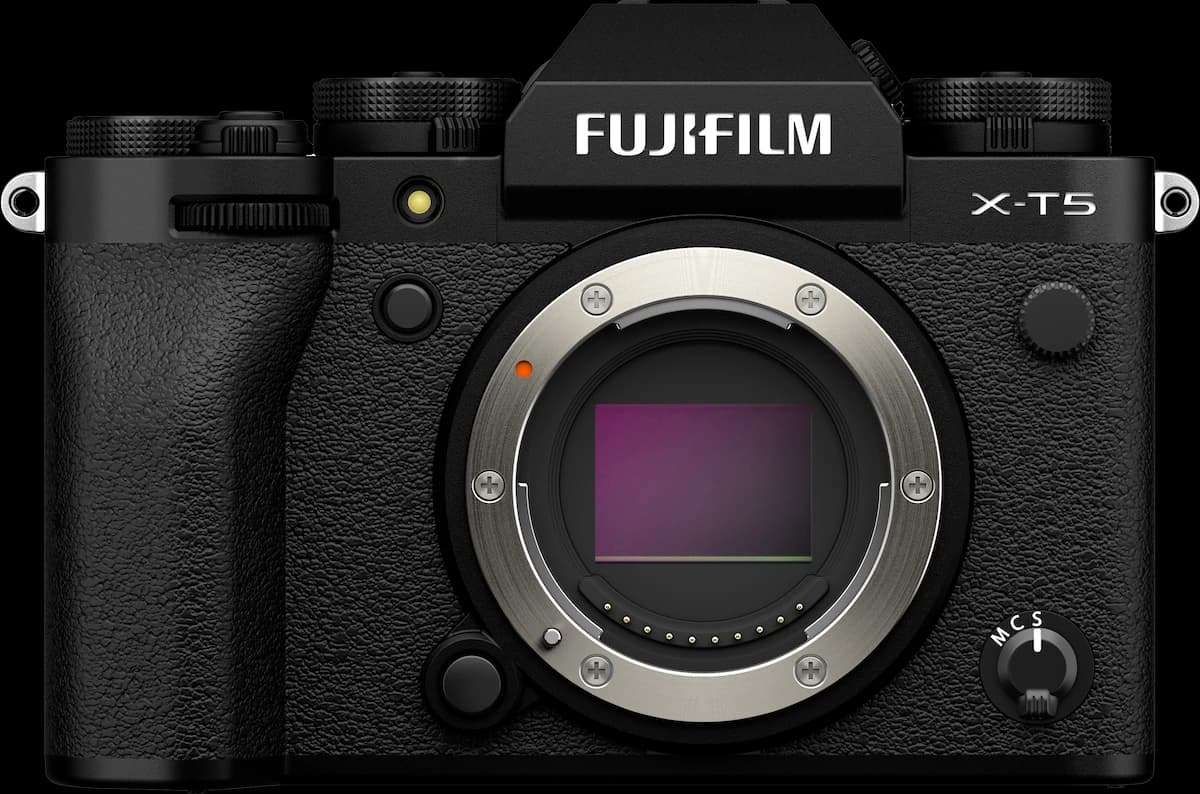
Fujifilm X-T5 Review: Pure Photography Before Video
The Fujifilm X-T5 suits landscape, portrait or travel photographers seeking 40.2 MP in a compact 557 g body. It is not a tool for intensive sport or professional video.
Read the review