Review · Sony · 2018
Review: Sony α7 III – Still Relevant in 2026?
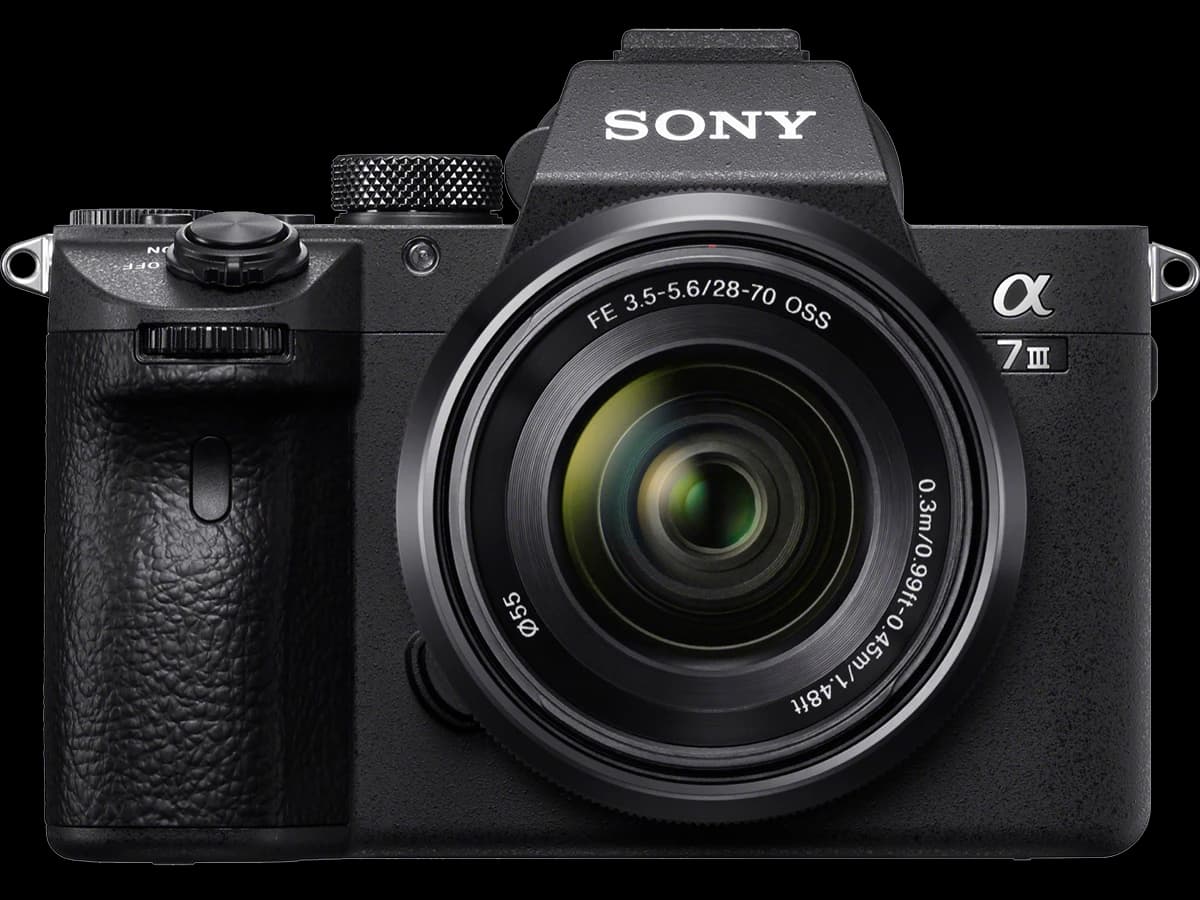
The Sony α7 III remains an excellent used choice for weddings, portraits and travel thanks to its 710-shot CIPA battery life and 693-point AF. Demanding videographers should look elsewhere.
Verdict
Eight years after launch, the Sony α7 III retains the essentials: a dynamic range measured at 11.6 EV, a 693-point autofocus with reliable Eye AF, and a 710-shot CIPA battery life rarely matched on this format. The accepted compromise lies in video, capped at 4K30p 8-bit, now outpaced by its successor the α7 IV and recent hybrids. On the used market, its value-for-money remains unbeatable for a versatile photographer who does not shoot professional video.
Pros
- Battery life of 710 shots CIPA, a record for a full-frame camera of this generation
- Weather-sealed build with dual card slots and 5 EV IBIS
- 693-point AF covering 93 % of the sensor, with human and animal Eye AF
- Dynamic range measured at 11.6 EV at ISO 100, usable in post-processing
- Very competitive used prices versus recent full-frame hybrids
Cons
- Video limited to 4K30p 8-bit, no unlimited recording, video score 5.0/10
- Second card slot limited to UHS-I, slowing dual-backup writes
- RAW buffer of 89 shots announced without compressed/uncompressed distinction by Sony
- Viewfinder at 2 359 296 dots now surpassed by current resolutions
- Touchscreen limited to focus point selection, no menu navigation
Who is it for?
- The wedding photographer who needs 710-shot battery life and dual slots to secure every frame without recharging
- The traveller wanting a weather-sealed 650 g body with 5 EV IBIS for handheld low-light shooting
- The portrait photographer who uses human Eye AF and 11.6 EV dynamic range to recover highlights in the studio
- The used buyer looking for a reliable full-frame camera under 1000 euros in 2026
- The demanding videographer needing 10-bit or 4K60p should choose the α7 IV or α7S III instead
On video
Pierre T. Lambert - FR · 13 min 16
Test & Avis Sony A7SIII - Comparaison A7III A7SIII
Presentation: the camera that democratised hybrid full-frame
Released in 2018 at 2000 USD, the Sony α7 III redefined entry-level full-frame by bringing α9-level technology to an accessible price.
The Sony α7 III arrived in 2018 into an already mature α7 range, between the resolution-focused α7R III and the sports-oriented α9. Its mission is clear: deliver a 24.2 MP full-frame BSI-CMOS sensor, an autofocus inherited from the α9 and class-leading battery life, in a 650 g body sold 1000 USD cheaper than its siblings. In 2026 this positioning has a direct consequence: the camera is no longer sold new by Sony, replaced since 2021 by the α7 IV, yet it remains one of the highest-volume used full-frame bodies.
Sony α7 III positioning by use: strong in portrait, wedding and travel, weaker in professional video.
This positioning is reflected in the uses recommended by the manufacturer and confirmed in the field: wedding, portrait, travel. Three uses that share a common requirement: reliability, battery life and an autofocus that does not miss the decisive moment, rather than record resolution or 10-bit video.
- Native ISO up to 51 200 without extended mode, a real gain in low-light reportage.
- Weather sealing, dual slots and IBIS combined, a rare trio at this price point in 2018.
- 710 shots CIPA battery life, well above the segment standard at launch.
Ergonomics and handling: pro build without the weight
The α7 III chassis is taken from the α7R III, with a few adjustments that matter in daily use.
The body weighs 650 g and measures 126.9 x 95.6 x 73.7 mm. In practice this remains travel-friendly on a belt or in a small bag, without the brick-like feel of full-frame DSLRs of the same era. The grip is deep and weight distribution favours one-handed shooting even with a 24-70 mm f/2.8 lens.
The electronic viewfinder shows 2 359 296 dots with 0.78x magnification. In 2018 it was a good compromise. In 2026, against 3.69 or 5.76 million-dot finders on recent hybrids, the difference is noticeable in low light where finder noise becomes visible. The 3-inch 921 600-dot screen is touch-sensitive only for AF point placement, not menu navigation, so the rear dial must be used for all adjustments.
Dual slots: an asymmetry that matters
Dual SD card slots are a genuine pro feature, yet Sony made an economy choice that shows in practice: only slot 1 supports UHS-II, the second is limited to UHS-I. For a wedding photographer mirroring files to both cards, overall write speed is capped by the slower slot. It is not a deal-breaker, but it is a nuance rarely mentioned that influences the choice between RAW+JPEG and RAW+RAW.
| Release year | 2018 |
|---|---|
| Weight (with battery) | 650 g |
| Dimensions | 126.9 x 95.6 x 73.7 |
| Weather sealing | Yes |
| Viewfinder | EVF |
| Viewfinder resolution | 2359296 dots |
| Screen | 3 inches |
| Screen articulation | tilt |
| Touchscreen | Yes |
| Battery (CIPA) | 710 frames |
| Dual SD slot | Yes |
| Wi-Fi / Bluetooth | Yes / Yes |
| Lens mount | Sony E |
Image quality: 24.2 MP sensor and measured dynamic range of 11.6 EV
The BSI-CMOS sensor in the α7 III prioritises the noise/dynamic-range balance over the megapixel race.
Resolution and native ISO rendering
With 24.2 MP on a 35.8 x 23.8 mm sensor, the α7 III targets usable files in all conditions rather than extreme cropping. Native ISO runs from 100 to 51 200, extendable to 204 800. For portrait or wedding work in poorly lit interiors, this wide native range avoids switching to extended ISO too early, where chroma noise becomes harder to correct in post-production.
Dynamic range versus the competition
Measured dynamic range reaches 11.6 EV at base ISO. This matches the α7R IV despite its 61 MP, and exceeds the 11.1 EV of the Nikon Z6 or the 11.4 EV of the Panasonic Lumix S1R. In short: for recovering highlights at an outdoor wedding or lifting shadows in landscape work, the α7 III performs like a flagship of its generation, despite its entry-level full-frame positioning.
| Sensor | Full Frame |
|---|---|
| Sensor size | 35.8 × 23.8 mm |
| Resolution | 24.2 MP |
| Sensor type | BSI-CMOS |
| Native ISO range | 100 – 51200 |
| Extended ISO | up to 204800 |
| Measured dynamic range | 11.6 EV |
| In-body stabilization | 5 stops |
| AF points | 693 |
| AF coverage | 93 % |
| Eye detection (human / animal) | Yes / Yes |
| Mechanical burst | 10 fps |
| Electronic burst | 10 fps |
| RAW buffer | 89 frames |
| Max shutter speed | 1/8000 |
Autofocus: 693 points and Eye AF, a historic advantage
The autofocus of the α7 III was the feature that persuaded many reportage photographers to switch to the Sony E system.
Coverage and eye detection
The hybrid system combines 693 phase-detection points for 93 % sensor coverage. Human Eye AF was available at launch; animal Eye AF was added later via firmware, a detail few reviews mention yet one that transforms occasional wildlife use. For portrait or wedding work, this wide coverage means the subject stays tracked even at the frame edge without constant recomposition.
Low-light limit: -3 EV
AF sensitivity is rated at -3 EV. This is adequate for indoor weddings or evening street work, but clearly behind the Canon EOS R6 at -6.5 EV or the Nikon Z6 at -4 EV. In practice the gap appears mainly in very low ambient light, such as dimly lit religious ceremonies or intimate concerts: the α7 III hunts more and may pump before locking.
Burst, buffer and stabilisation: the right reportage balance
Neither a sports camera nor a studio-only body, the α7 III sets its burst rate to the needs of versatile reportage.
10 fps mechanical and electronic: what the buffer hides
The α7 III delivers 10 frames per second, mechanical or electronic, with a buffer rated at 89 RAW frames. This is comfortable for capturing a wedding procession or lively street scene. One caveat deserves mention: Sony does not state in its official specs whether the 89-frame figure refers to compressed or uncompressed RAW, a distinction manufacturers often blur and that directly affects usable burst length in prolonged shooting. Without this clarification the figure must be treated as a theoretical maximum under optimal conditions, not a guarantee in every scenario.
IBIS 5 EV: handheld stabilisation gain
Sensor-shift stabilisation compensates 5 EV according to manufacturer data. This matches the Nikon Z6 but trails the 8 EV of the Canon EOS R6 or the 6 EV of the Panasonic Lumix S1R, both released later. For travel and landscape work these 5 EV suffice for 1/4 s to 1 s handheld exposures with a standard lens, covering most fading-light situations outdoors. For long-exposure work on a tripod, IBIS is obviously not engaged.
- 10 fps is enough for a wedding procession or street parade, not professional fast-action sport.
- 5 EV IBIS allows 1/4 s handheld exposures in night urban landscapes.
- The uncertainty over the real buffer (compressed vs uncompressed) means testing in real conditions before a critical long burst.
Video: the accepted weak point, scored 5.0/10
The α7 III was never aimed at professional videographers, and the 2026 figures confirm this design choice.
4K30p 8-bit: what is missing versus the competition
Video tops out at 4K 30 fps in 8-bit, using XAVC S, AVCHD and H.264 codecs. A Log profile is available for grading, but recording is not unlimited. Against the Nikon Z6 that reaches 4K120p, or the α7S III that offers 10-bit with AF active down to -6 EV, the gap shows most clearly in post-production: less grading latitude in 8-bit, no usable 4K slow-motion beyond 30p.
| Max resolution | 4K |
|---|---|
| Max frame rate | 30 fps |
| Codecs | XAVC S, AVCHD, H.264 |
| Bit depth | 8 bit |
| Log profile | Yes |
| Unlimited recording | No |
| In-body stabilization | 5 stops |
| HDMI output | HDMI Micro (Type D) |
| USB connector | USB-C 3.1 Gen1 + Micro USB |
Battery life and connectivity: the hidden strength
Few reviews place the α7 III’s battery life at the centre of the analysis, yet it remains one of its strongest arguments in 2026.
Measured CIPA battery life reaches 710 shots with a single NP-FZ100 battery. At its 2018 launch this was more than double the figure offered by most full-frame hybrids. On an all-day wedding assignment this typically means only one spare battery is required, versus two or three on a typical hybrid of the same generation. It is a concrete advantage for the photographer who does not want heavy charging logistics on location.
Connectivity shows its age in places: USB-C 3.1 Gen1, supplemented by legacy micro-USB, and micro HDMI (Type D) output, more fragile than a full-size connector. Wi-Fi and Bluetooth are present for transfer and remote triggering, but without the modern USB-C speeds or high-power PD fast charging found on bodies released after 2021.
- 710 shots CIPA: battery life that reduces the need for spares during intensive shooting.
- Micro HDMI (Type D): more fragile connector, best protected during repeated field use.
- USB-C 3.1 Gen1: adequate transfer but without current fast-charging standards.
Versus the competition: α7 IV, Nikon Z6 and Canon EOS R6
Three useful comparisons in 2026: the direct successor, the historic rival, and a more recent, pricier hybrid.
Against its own successor, the α7 IV
The α7 IV rises to 33 MP versus 24.2 MP, with 11.7 EV dynamic range versus 11.6 EV, 759-point AF versus 693, and 4K60p 10-bit video versus 4K30p 8-bit. The resolution and video gaps are clear, but so is the price: the α7 IV sells for 2800 EUR new, well above the cost of a used α7 III in 2026. For pure stills use without advanced video needs, the 0.1 EV dynamic-range difference and 66-point AF gap do not justify the premium for many buyers.
Against Nikon Z6 and Canon EOS R6
The Nikon Z6, launched the same year at 2000 USD, offers 12 fps versus 10 fps, yet similar low-light AF at -4 EV and slightly lower dynamic range at 11.1 EV. The Canon EOS R6, released two years later at 2499 USD, moves the goalposts with 20 fps, 8 EV IBIS and AF down to -6.5 EV: it justifies its price premium through a generational leap, not merely a range choice.
| Spec | Sony α7 IIITested here | Sony α7 IV | Nikon Z6 | Canon EOS R6 |
|---|---|---|---|---|
| Released | 2018 | 2021 | 2018 | 2020 |
| Sensor | Full Frame | Full Frame | Full Frame | Full Frame |
| Resolution | 24.2 MP | 33 MP | 25 MP | 20 MP |
| Native ISO max | 51200 | 51200 | 51200 | 102400 |
| Dynamic range | 11.6 EV | 11.7 EV | 11.1 EV | 11.2 EV |
| AF points | 693 | 759 | 273 | 1053 |
| Burst (elec.) | 10 fps | 10 fps | 12 fps | 20 fps |
| IBIS | 5 stops | 5.5 stops | 5 stops | 8 stops |
| Max video | 4K/30p | 4K/60p | 4K/120p | 4K/120p |
| Weather sealing | Yes | Yes | Yes | Yes |
| Dual SD slot | Yes | Yes | Yes | Yes |
| Weight | 650 g | 658 g | 675 g | 680 g |
| Launch price | 2000 USD | 2800 EUR | 2000 USD | 2499 USD |
The α7 III remains competitive in dynamic range and battery life, but shows its age on low-light AF and video.
This comparison confirms the α7 III’s 2026 positioning: it no longer competes with post-2020 bodies on extreme AF or burst rate, yet its dynamic-range/battery-life combination remains solid, and its used price largely offsets the technical gap for classic stills work.
Price and used market in 2026
Launched at 2000 USD in 2018, the α7 III is no longer sold new by Sony and now exists entirely on the used market.
It was replaced by the α7 IV in 2021, sold at 2800 EUR new. This generational gap mechanically pushes budget-conscious buyers toward used α7 III bodies, where supply remains plentiful thanks to the model’s high initial sales volume. It is today one of the most accessible entry points into full-frame Sony E-mount on a controlled budget, with direct access to the entire FE lens ecosystem.
Sony α7 III

SONY a7 III Mirrorless Camera - Black, Body Only, Black
1 120 GBP · Back Market UK


You'll find the best prices on the market here, updated daily — and by going through these partner links, you support Camera Duel without paying a cent more.
On the used market, always check shutter count (mechanical shutter rated for approximately 200 000 cycles by Sony on this generation) and battery contact condition, a known wear point on heavily used reportage bodies. An example with low shutter count and updated firmware (to benefit from animal Eye AF) remains a rational purchase versus far more expensive recent hybrids.
Verdict: who should still buy the Sony α7 III in 2026?
Eight years after launch, the α7 III has not aged on the essentials: stills. It has aged on what it never claimed to master: advanced video.
The 7.6/10 stills score reflects a body that still compares with far newer models on dynamic range (11.6 EV), autofocus (693 points, 93 % coverage) and especially battery life (710 shots CIPA), an argument underestimated by most reviews. The 5.0/10 video score is no accident: it is the direct result of a 2018 brief that never targeted 10-bit or advanced 4K slow-motion.
The main trade-off to accept before buying therefore concerns video use. For wedding, portrait or travel work centred on stills, the α7 III remains a rational and economically unbeatable used choice. For any serious video production, the generational gap versus the α7S III, Sony FX3A or even the α7 IV becomes a deal-breaker that no used price can offset.
Frequently asked questions
Is the Sony α7 III still a good choice in 2026?▾
Yes for stills. Its measured dynamic range of 11.6 EV, 693-point AF and 710-shot CIPA battery life remain competitive against far newer bodies. Video, capped at 4K30p 8-bit, is dated by comparison.
What is the difference between the Sony α7 III and the α7S III in video?▾
The α7S III records in 10-bit with AF active down to -6 EV, versus 8-bit and -3 EV on the α7 III. The trade-off is a stills resolution of only 12.1 MP on the α7S III, which is video-first by design.
Is the Sony α7 III suitable for professional video?▾
No. Its video score of 5.0/10 reflects the lack of 10-bit, advanced 4K slow-motion and unlimited recording. For pro video, choose the α7 IV, α7S III or FX3A.
Should I buy the Sony α7 III new or used in 2026?▾
The camera has not been sold new by Sony since the α7 IV arrived. Used is therefore the only route, and it is a rational purchase if shutter count is low and firmware is updated for animal Eye AF.
What is the true RAW buffer of the Sony α7 III in burst mode?▾
Sony quotes 89 RAW frames at 10 fps, without stating whether this is compressed or uncompressed RAW. This ambiguity should be tested in real conditions before a critical long burst.
Does the Sony α7 III have dual SD card slots?▾
Yes, but only slot 1 supports UHS-II. Slot 2 is limited to UHS-I, which slows mirrored backup writes to both cards simultaneously.
Related reviews
Fujifilm X-T5 Review: Pure Photography Before Video
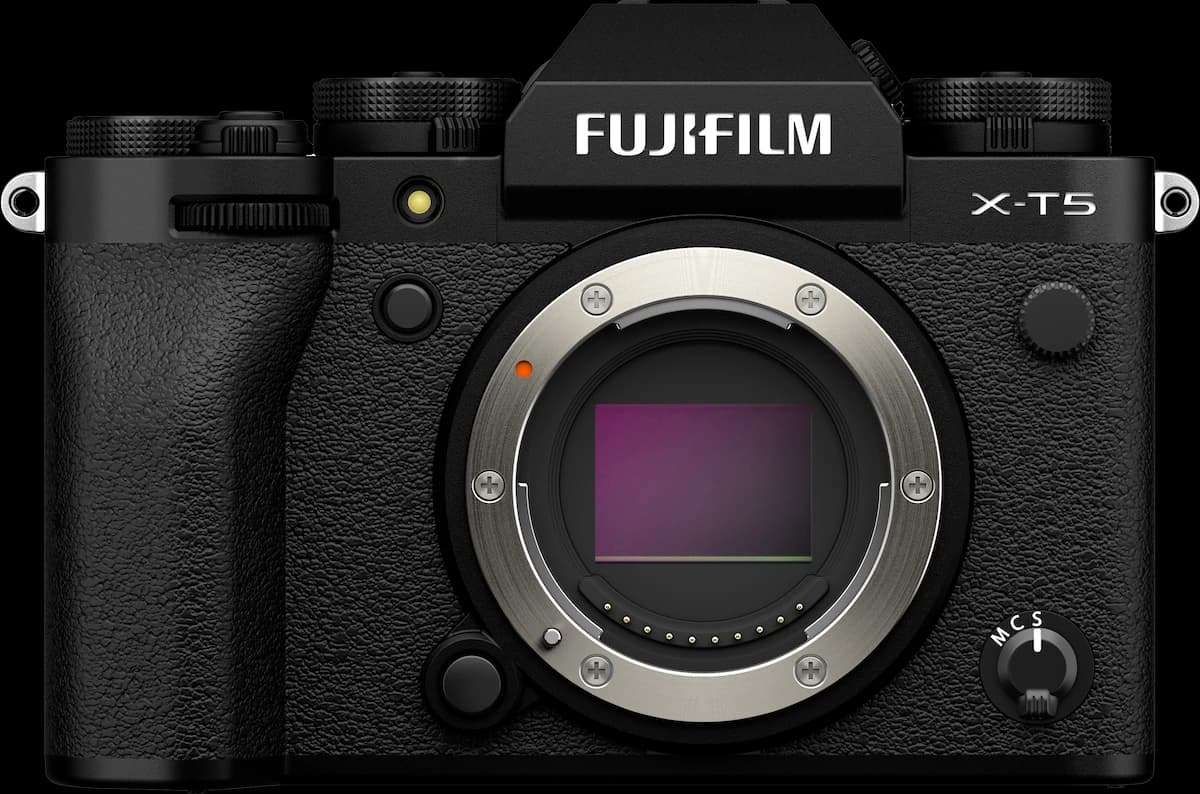
The Fujifilm X-T5 suits landscape, portrait or travel photographers seeking 40.2 MP in a compact 557 g body. It is not a tool for intensive sport or professional video.
Read the review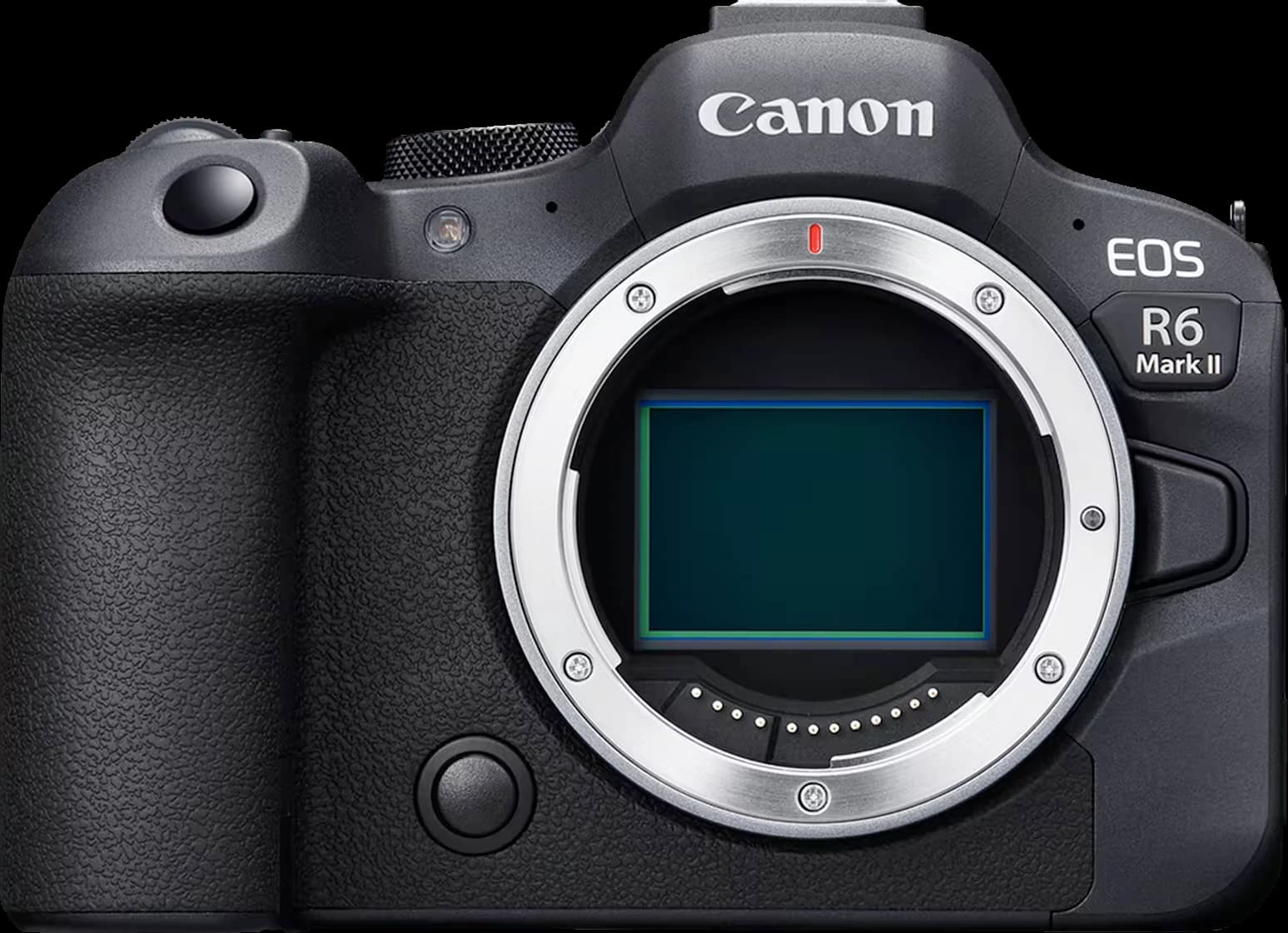
Review Canon EOS R6 Mark II: Still the Right Choice in 2026?
The Canon EOS R6 Mark II remains the most balanced general-purpose hybrid in its class for weddings, portraits and travel, provided you accept a RAW buffer limited to 75 images and video capped at 4K/60p.
Read the review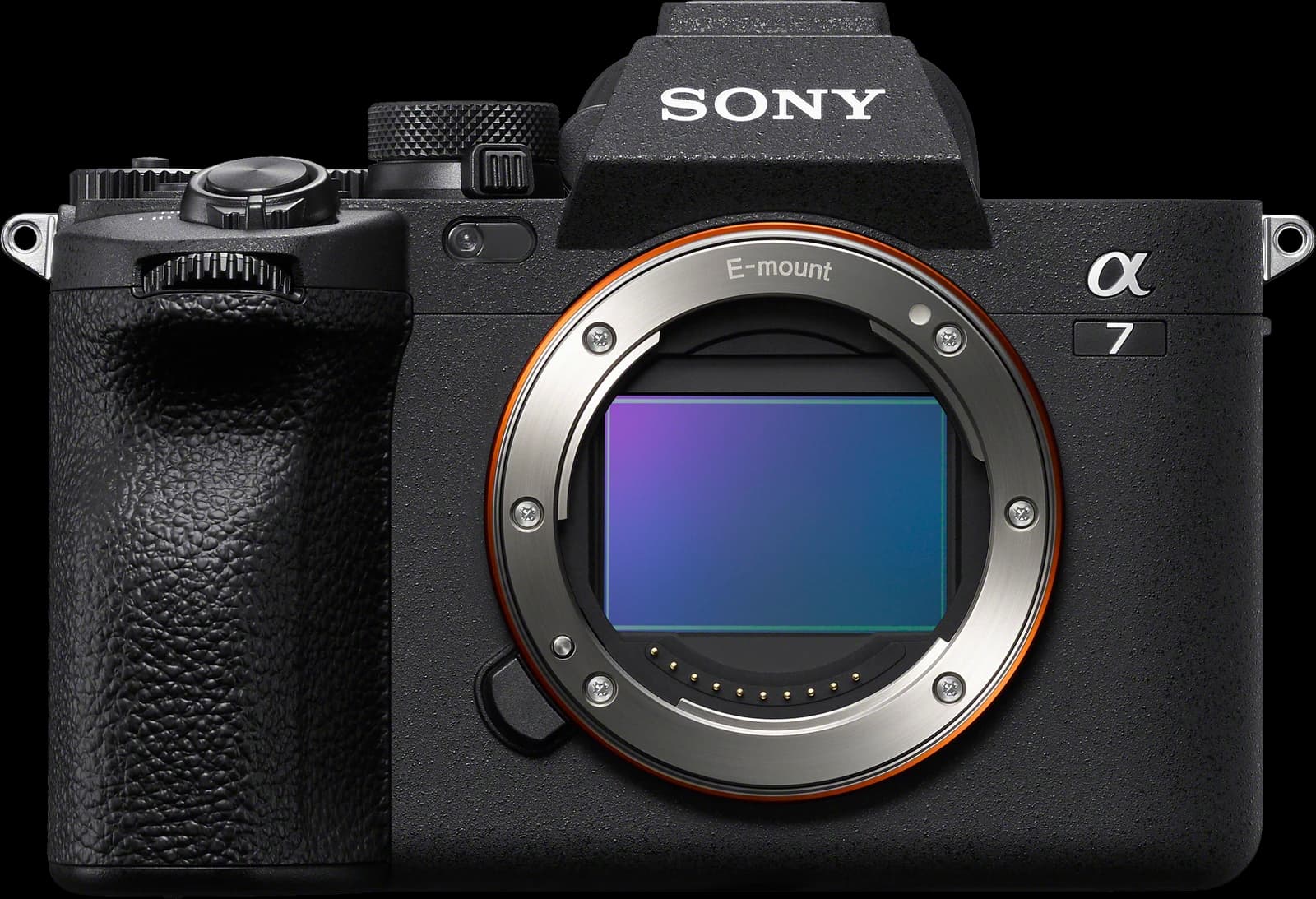
Review: Sony α7 IV – Still the Right Choice in 2026?
Full-frame all-rounder still relevant used for weddings, portraits and occasional video. New, 2023-2024 rivals offer more for the same budget.
Read the review