Review · Sony · 2023
Sony α9 III Test: Does the Global Shutter Change Everything?
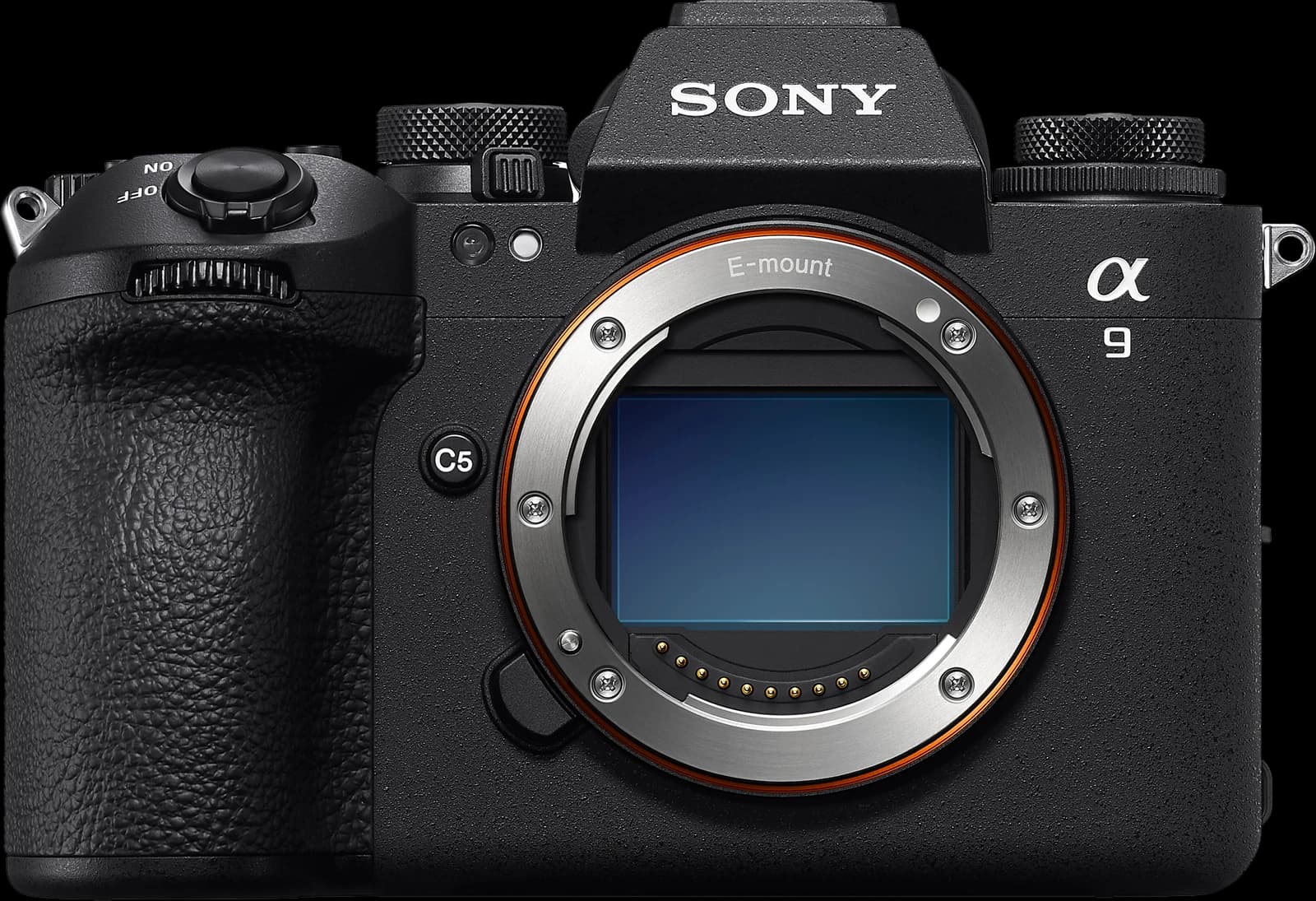
The Sony α9 III is the most rational choice for a sports or demanding news photographer needing a shutter free of rolling shutter and 120 fps RAW burst. Its €6,789 price and native ISO minimum of 250 make it a specialised body, not a Swiss Army knife.
Verdict
The Sony α9 III occupies a unique position in the full-frame market in 2026: it is the only mirrorless camera to offer a native global shutter combined with 120 fps electronic burst and a maximum shutter speed of 1/80 000 s. Taken together, these three figures define a tool built for sport, news and weddings in difficult conditions. The downside is real: the native minimum ISO is fixed at 250, which penalises studio work with flash and reduces measured dynamic range to 10 EV versus 11 to 15 EV on direct competitors. At 6 789 EUR on launch, it costs 2 490 EUR more than a Canon EOS R5 Mark II that offers 45 MP and 8.5 stops of IBIS. The choice is therefore clear: if you need the global shutter and the burst rate, nothing else does the job as cleanly. If you do not, more versatile alternatives exist at lower cost.
Pros
- Native global shutter: zero rolling shutter at all speeds, including with flash
- 120 fps electronic burst with 82-image RAW buffer
- Maximum shutter speed of 1/80 000 s without ND, usable with studio flash
- 8-stop IBIS on a sports-oriented body
- Dual CFexpress Type A + SD UHS-II slots and weather-sealing
- 9 437 184-dot EVF with 0.9x magnification, among the best on the market
Cons
- Native minimum ISO of 250: penalising in flash studio and bright light
- Measured dynamic range of only 10 EV, behind competitors
- 24.6 MP: modest resolution for cropping or large-format printing
- Launch price of 6 789 EUR: among the highest in the full-frame mirrorless segment
- Extended ISO capped at 51 200, limited versus low-light bodies
Who is it for?
- The professional sports photographer who shoots fast-moving subjects and cannot tolerate any rolling-shutter artefacts on published images
- The wedding photographer who works with high-speed flash and wants to sync at any shutter speed without HSS
- The news photographer who alternates interiors and exteriors in variable light and needs sustained burst with a usable buffer
- The wildlife photographer who tracks unpredictable subjects and benefits from 759 AF points over 92 % of the frame with animal-eye detection
On video
Damien Bernal · 14 min 57
Sony a9 iii : une qualité décevante !
Presentation: a sensor that changes the rules
The Sony α9 III was released at the end of 2023 with a technical promise never before seen on full-frame mirrorless: a global shutter sensor. Here is what that means in practice, and why it justifies a €6,789 price tag.
All conventional CMOS sensors read their pixel rows sequentially, top to bottom. This progressive scan takes time, on the order of a few milliseconds. The result: when a subject moves quickly, the top and bottom rows are not captured at the same instant. This is rolling shutter, responsible for distortion on propellers, tennis balls or flash bursts. The Sony α9 III solves the problem at source: its 24.6 MP Stacked CMOS sensor exposes all pixels simultaneously. Rolling shutter is structurally eliminated, regardless of shutter speed.
The direct consequence is a maximum shutter speed of 1/80 000 s. No other full-frame mirrorless offers this value. In practice it allows shooting under midday sun with a fast f/1.4 lens without an ND filter, and syncing studio flash at any speed without HSS. For a wedding or news photographer, this is a genuine gain in freedom.
Scores by use: the Sony α9 III excels in sport and news but lags in landscape and studio because of its limited dynamic range.
The body follows the α9 and α9 II lineage, which already prioritised speed and autofocus over resolution. The Sony E mount is a major asset here: the native lens ecosystem is the most extensive in mirrorless, with dozens of Sony G Master primes and full compatibility with third-party Sigma, Tamron and Zeiss optics. On this point the Sony α9 III has no direct rival in terms of lens choice.
Ergonomics and handling
At 702 g and measuring 136.1 x 96.9 x 82.9 mm, the Sony α9 III is compact for its class. It retains the established α9 ergonomics with a few notable updates.
Size, weather-sealing and build
The 702 g weight places it in the lower average of professional full-frame mirrorless. For comparison, the Nikon Z9 weighs 1 340 g and the Canon EOS R3 1 015 g. The Sony α9 III is therefore noticeably more portable for comparable speed performance. Weather-sealing is present, with gaskets on all controls and doors. This is non-negotiable for professional outdoor use.
The construction uses magnesium alloy. Handling is secure, with a deep grip suited to heavy lenses. The body has a dedicated exposure-compensation dial, an AF joystick and two independent control dials. Button customisation is extensive, in the Sony tradition.
Viewfinder, screen and interface
The electronic viewfinder shows 9 437 184 dots with 0.9x magnification. It is one of the highest-resolution viewfinders on the market in 2026. The high refresh rate matches the camera’s 120 fps capability: visual tracking remains smooth even on very fast subjects. The rear 3.2-inch screen has 2 095 104 dots, a vari-angle hinge and touch surface. The vari-angle design is preferable to a simple tilt screen for vlogging or low-angle shooting.
| Release year | 2023 |
|---|---|
| Weight (with battery) | 702 g |
| Dimensions | 136.1 x 96.9 x 82.9 |
| Weather sealing | Yes |
| Viewfinder | EVF |
| Viewfinder resolution | 9437184 dots |
| Screen | 3.2 inches |
| Screen articulation | vari-angle |
| Touchscreen | Yes |
| Battery (CIPA) | 530 frames |
| Dual SD slot | Yes |
| Wi-Fi / Bluetooth | Yes / Yes |
| Lens mount | Sony E |
Sony rates battery life at 530 shots (CIPA). This is respectable for the class but lower than the Canon EOS R3 (860 shots CIPA) and Nikon Z9 (740 shots CIPA). In intensive 120 fps burst use the battery drains faster. Carry at least two batteries for a full day of sport or wedding work.
Image quality and sensor
The global shutter sensor of the Sony α9 III imposes measurable compromises on dynamic range and sensitivity. Here are the raw data and their interpretation.
Resolution and measured dynamic range
The sensor measures 24.6 MP on a 36 x 24 mm format. Resolution is adequate for most professional uses, including large-format prints up to roughly 60 x 40 cm at 300 dpi. It is insufficient, however, for aggressive cropping, a common requirement in wildlife or distance sport. The Canon EOS R5 Mark II offers 45 MP in the same body for 2 490 EUR less.
Measured dynamic range is 10 EV. This is the most debatable figure in the specifications. For comparison, the Nikon ZR measures 15 EV, the Leica M11-P 15.1 EV and the Canon EOS R8 11.6 EV. The global shutter requires a different electronic architecture with reduced pixel well capacity. Sony has chosen speed at the expense of exposure latitude. In practice this means blown highlights are difficult to recover in post-production and exposure bracketing becomes a habit on high-contrast scenes.
| Sensor | Full Frame |
|---|---|
| Sensor size | 36 × 24 mm |
| Resolution | 24.6 MP |
| Sensor type | Stacked CMOS |
| Native ISO range | 250 – 25600 |
| Extended ISO | up to 51200 |
| Measured dynamic range | 10 EV |
| In-body stabilization | 8 stops |
| AF points | 759 |
| AF coverage | 92 % |
| Eye detection (human / animal) | Yes / Yes |
| Electronic burst | 120 fps |
| RAW buffer | 82 frames |
| Max shutter speed | 1/80000 |
ISO sensitivity and digital noise
Native minimum ISO is fixed at 250. This figure is rarely highlighted by competitors, yet it is critical for two uses: studio flash photography (where one wants to drop to ISO 100 to maximise dynamic range) and bright-light photography with very fast lenses. A fashion photographer working in studio at ISO 100 will have to adjust exposure settings. This is a genuine deal-breaker for that profile.
Native maximum ISO is 25 600, with extension to 51 200. These values are respectable but lower than those of low-light bodies such as the Sony α7S III (102 400 native, 409 600 extended) or Canon EOS R3 (102 400 native). The Sony α9 III is not an extreme low-light camera. It is designed for normal to difficult lighting, not night photography without artificial light.
Autofocus: coverage, precision and limits
The Sony α9 III autofocus uses a hybrid phase/contrast system with 759 points covering 92 % of the sensor area. Here is what these figures deliver in practice.
Coverage, detection and low-light sensitivity
The 759 AF points over 92 % of the frame are consistent with the professional segment. Both human-eye and animal-eye detection are present. Low-light AF sensitivity is rated at -5 EV, allowing focus in near-darkness. The Nikon ZR and Zf both claim -10 EV, placing them ahead on this specific criterion. In practice, at -5 EV the system still locks in a room lit only by a candle, covering the vast majority of news situations.
Human-eye detection works reliably at high distances and angles according to independent DPReview data. Tracking fast-moving subjects benefits directly from the 120 fps rate: the AF system recalculates focus on every frame, reducing blurred shots in a burst. This is where global shutter and burst rate combine to deliver a tangible advantage.
AF comparison versus direct competitors
The Canon EOS R5 Mark II offers 1 053 AF points over 100 % of the frame with -6.5 EV sensitivity. The Canon EOS R3 also provides 1 053 points over 100 % at -7.5 EV. On paper these two Canon bodies surpass the Sony α9 III in coverage and AF sensitivity. In practice the Sony’s 120 fps rate partially compensates: a subject missed on one frame is likely to be sharp on the next, 8 ms later. This is not the same as more precise AF, but the final hit rate is comparable according to independent DPReview tests.
Burst, buffer and stabilisation
The 120 fps burst is the most quoted spec of the Sony α9 III. Here is what it actually implies, including the conditions Sony does not always highlight.
Real-world burst rate and buffer management
Electronic burst reaches 120 fps. The stated buffer is 82 RAW images. At 120 fps this represents less than 0.7 second of continuous shooting before the buffer fills. That is short. In practice, professional sports photographers work with short, targeted bursts rather than unlimited continuous shooting. The 82-image buffer is sufficient to capture a sprint, jump or penalty, provided you do not hold the shutter for several seconds. Buffer clearing speed depends on the card used: a fast CFexpress Type A card is recommended to minimise wait time between bursts.
Sony often quotes 120 fps without always specifying the exact RAW compression conditions. Independent DPReview tests confirm the rate in lossy compressed RAW. In uncompressed RAW the rate may drop depending on the card. Check this if your workflow requires uncompressed RAW.
8-stop IBIS stabilisation
IBIS compensates 8 stops according to Sony. This figure is measured to CIPA standards with a compatible lens. In practice, on long focal lengths (200 mm and above) the effective compensation is lower than advertised. 8 stops of IBIS on a sports-oriented body is a genuine asset when shutter speed must be reduced, for example at the end of the day under insufficient stadium lighting. Combined with the maximum shutter speed of 1/80 000 s, the Sony α9 III covers an exceptionally wide exposure range.
- 120 fps electronic burst, 82-image RAW buffer
- Maximum shutter speed 1/80 000 s, no rolling shutter
- 8-stop IBIS compensated to CIPA standard
- Dual CFexpress Type A + SD UHS-II slots for fast offload
- Mechanical shutter available as backup (speed not stated in our database)
Video: 4K 120p and global shutter
The Sony α9 III records 4K up to 120 fps with 10-bit codecs and Log output. The global shutter eliminates rolling shutter in video, a tangible advantage for fast-moving subjects.
Resolutions, frame rates and codecs
Maximum resolution is 4K at 120 fps. This is a high frame rate for 4K slow motion, but the camera does not reach 6K or 8K unlike the Nikon Z8 (8K/30p), Canon EOS R5 Mark II (8K/60p) or Panasonic Lumix S1R II (8K/120p). For a photographer using video as a complement, 4K 120p is more than adequate. For a videographer seeking maximum resolution, the Sony α9 III is not the right tool.
Available codecs include XAVC HS, XAVC S, XAVC S-I, H.265 and H.264. Colour depth is 10-bit. Log recording is available, allowing colour grading in post-production. Recording is unlimited in duration, essential for long events. Full-size HDMI (Type A) output allows connection to external recorders.
The global-shutter advantage in video
In video, rolling shutter is even more visible than in stills. Fast pans, laterally moving subjects and strobing lights produce characteristic artefacts on progressive-scan sensors. The Sony α9 III global shutter removes these artefacts. This is a genuine quality gain for videographers shooting sport, concerts or events with stroboscopic lighting. The point is rarely emphasised by competitors in video tests, yet it represents a real improvement on difficult sequences.
| Max resolution | 4K |
|---|---|
| Max frame rate | 120 fps |
| Codecs | XAVC HS, XAVC S, XAVC S-I, H.265, H.264 |
| Bit depth | 10 bit |
| Log profile | Yes |
| Unlimited recording | Yes |
| In-body stabilization | 8 stops |
| HDMI output | HDMI Full (Type A) |
| USB connector | USB-C 3.2 Gen2 (10 Gbps) |
Connectivity and battery life
The Sony α9 III offers comprehensive professional connectivity with USB-C 3.2 Gen2 at 10 Gbps, full-size HDMI and dual card slots.
The USB-C 3.2 Gen2 port at 10 Gbps enables fast file transfer to a computer or external storage. It also supports in-camera charging and continuous power, useful for long studio or event sessions. The full-size HDMI (Type A) port is the format most compatible with professional monitors and external recorders.
The dual slots accept one CFexpress Type A and one SD UHS-II card. CFexpress Type A is the fastest compact format available, essential for absorbing 120 fps bursts. The SD UHS-II slot allows backup or JPEG offload. The absence of dual CFexpress slots (as on the Nikon Z9 or Canon EOS R3) is not an issue for most users, but photographers requiring two identical-speed slots for redundancy should note this.
CIPA battery life is 530 shots. Wireless connectivity includes Wi-Fi and Bluetooth, allowing image transfer to a smartphone or tablet via the Sony Imaging Edge Mobile app. FTP transfer is available for press photographers sending images directly from the field.
Versus the competition: Canon EOS R5 Mark II and Nikon Z9
The Sony α9 III is compared directly with two bodies: the Canon EOS R5 Mark II at 4 299 USD and the Nikon Z9 at 5 999 USD. Here are the differences that matter.
Versus Canon EOS R5 Mark II: resolution versus speed
The Canon EOS R5 Mark II offers 45 MP versus 24.6 MP on the Sony α9 III, for 2 490 EUR less at launch. Its measured dynamic range is 11.5 EV versus 10 EV. Its IBIS compensates 8.5 stops versus 8 stops. Its autofocus covers 100 % of the frame with 1 053 points versus 92 % and 759 points. On almost every criterion except speed, the Canon EOS R5 Mark II is superior or equal. The sole exception is burst rate: 30 fps electronic on the Canon versus 120 fps on the Sony, and the absence of global shutter on the Canon, which retains rolling shutter in electronic mode.
The choice between the two bodies is therefore binary: if you need the global shutter and 120 fps, choose the Sony α9 III. If you need resolution, dynamic range and a more reasonable budget, choose the Canon EOS R5 Mark II. There is no situation in which the two bodies are equivalent.
Versus Nikon Z9: same burst rate, different weight
The Nikon Z9 also offers 120 fps electronic burst, but without global shutter. Its 45.7 MP Stacked CMOS sensor provides nearly double the resolution of the Sony α9 III. Its measured dynamic range is 11.3 EV. However, it weighs 1 340 g versus 702 g for the Sony α9 III—almost twice as much. For a photographer who travels extensively, this weight difference is significant over a full day’s work. The Nikon Z9 launched at the same 5 999 USD price, but its positioning is that of a heavy, rugged news body rather than a compact mirrorless camera.
| Spec | Sony α9 IIITested here | Canon EOS R5 Mark II | Nikon Z9 |
|---|---|---|---|
| Released | 2023 | 2024 | 2021 |
| Sensor | Full Frame | Full Frame | Full Frame |
| Resolution | 24.6 MP | 45 MP | 45.7 MP |
| Native ISO max | 25600 | 51200 | 25600 |
| Dynamic range | 10 EV | 11.5 EV | 11.3 EV |
| AF points | 759 | 1053 | 493 |
| Burst (elec.) | 120 fps | 30 fps | 120 fps |
| IBIS | 8 stops | 8.5 stops | 6 stops |
| Max video | 4K/120p | 8K/60p | 8K/30p |
| Weather sealing | Yes | Yes | Yes |
| Dual SD slot | Yes | Yes | Yes |
| Weight | 702 g | 746 g | 1340 g |
| Launch price | 6789 EUR | 4299 USD | 5999 USD |
The Sony α9 III leads on burst rate and global shutter. The Canon EOS R5 Mark II wins on resolution, dynamic range and price. The Nikon Z9 offers more megapixels but weighs almost twice as much.
Expert angle: the 2026 used market
The Sony α9 III launched at the end of 2023 at 6 789 EUR. In 2026, good used examples trade around 4 500 to 5 000 EUR on specialist platforms. At that price the value proposition improves significantly. The Canon EOS R5 Mark II, released in 2024 at 4 299 USD, remains newer and more widely available used. If budget is a constraint, a used Sony α9 III at 4 500 EUR versus a used Canon EOS R5 Mark II at 3 200 EUR reopens the question: the 1 300 EUR difference buys several lenses or accessories. The global shutter must truly be a necessity to justify the gap.
Price and value
At 6 789 EUR on launch, the Sony α9 III is one of the most expensive full-frame mirrorless cameras on the market. Here is how that price positions it against the competition.
The Sony α9 III sits in the ultra-premium segment of full-frame mirrorless. Its launch price of 6 789 EUR matches the Nikon Z9 (5 999 USD) and exceeds the Canon EOS R5 Mark II (4 299 USD). Only the Canon EOS R3 (5 999 USD) and Leica SL3 or M11 bodies exceed this price in full-frame. For the money you receive unique sensor technology (global shutter), 120 fps burst and professional build with dual slots and weather-sealing.
Value is difficult to defend if you do not use the global shutter daily. A portrait or landscape photographer who does not need 120 fps pays a 2 490 EUR premium over the Canon EOS R5 Mark II for lower resolution and dynamic range. The Sony α9 III is a specialised tool, and its price reflects that specialisation.

You'll find the best prices on the market here, updated daily — and by going through these partner links, you support Camera Duel without paying a cent more.
Verdict
The Sony α9 III is a remarkable camera within a precise perimeter. Here is the summary of our analysis.
The Sony α9 III delivers exactly what it promises: a native global shutter on a full-frame sensor, 120 fps burst and a 1/80 000 s shutter speed. These three characteristics combined do not exist anywhere else in the full-frame mirrorless market in 2026. For a sports, news or wedding photographer who needs these features, the Sony α9 III is the only rational choice.
The concessions are real and documented. Dynamic range of 10 EV is the lowest in its class. The native minimum ISO of 250 rules out conventional studio-flash use. The 24.6 MP resolution limits cropping. The 6 789 EUR price is hard to justify for versatile use. These points are not design flaws; they are the direct consequence of the technological choices made to achieve 120 fps without rolling shutter.
Our score of 7.5/10 reflects a camera that is excellent in its domain, but whose domain is narrow. A landscape or studio photographer will achieve better results with a Canon EOS R5 Mark II or Nikon Z8 for less money. A professional sports photographer shooting fast subjects in variable light has no serious alternative.
Frequently asked questions
Does the Sony α9 III really have a global shutter?▾
Yes. The Sony α9 III is the first full-frame mirrorless camera to integrate a native global shutter sensor. All pixels are exposed simultaneously, structurally eliminating rolling shutter at any shutter speed. This is a fundamental difference from conventional or stacked CMOS sensors that read rows sequentially.
Why is the Sony α9 III minimum ISO 250 rather than 100?▾
The global shutter requires a different electronic architecture from conventional sensors. Pixel well capacity is reduced, raising the native minimum ISO to 250. Sony does not offer native ISO 100 on this body. In practice this penalises studio flash photographers who want to maximise dynamic range at ISO 100. If that workflow is central to your practice, the Sony α9 III is not the right choice.
Is the Sony α9 III suitable for landscape photography?▾
Not as a priority. Its measured dynamic range of 10 EV is the lowest in its class, limiting highlight and shadow recovery in post-production. Its 24.6 MP resolution is adequate but insufficient for very large prints. For landscape, a Nikon ZR (15 EV dynamic range) or Canon EOS R5 Mark II (45 MP, 11.5 EV) are more appropriate choices.
What is the difference between the Sony α9 III and the Sony α9 II?▾
The Sony α9 II (released 2019) uses a conventional CMOS sensor without global shutter and a maximum burst of 20 fps. The Sony α9 III introduces native global shutter, 120 fps burst, 1/80 000 s shutter speed and 8-stop IBIS. These are major, not incremental, advances. The price also rose significantly between the two generations.
Can the Sony α9 III sync flash at any shutter speed?▾
Yes. This is one of the direct advantages of the global shutter. Unlike progressive-scan sensors that require HSS (High Speed Sync) to sync flash above the X-sync speed (typically 1/200 to 1/250 s), the Sony α9 III syncs flash at any speed up to 1/80 000 s in electronic mode. This opens significant creative possibilities for wedding and fashion photographers working outdoors.
Is it better to buy the Sony α9 III new or used in 2026?▾
In 2026, good used examples are found around 4 500 to 5 000 EUR, versus 6 789 EUR new at launch. At used prices the value proposition improves noticeably. Check the shutter count (if the mechanical shutter has been used) and the condition of weather seals. A used example purchased from a professional dealer with warranty is a serious option to reduce the initial outlay.
Related reviews
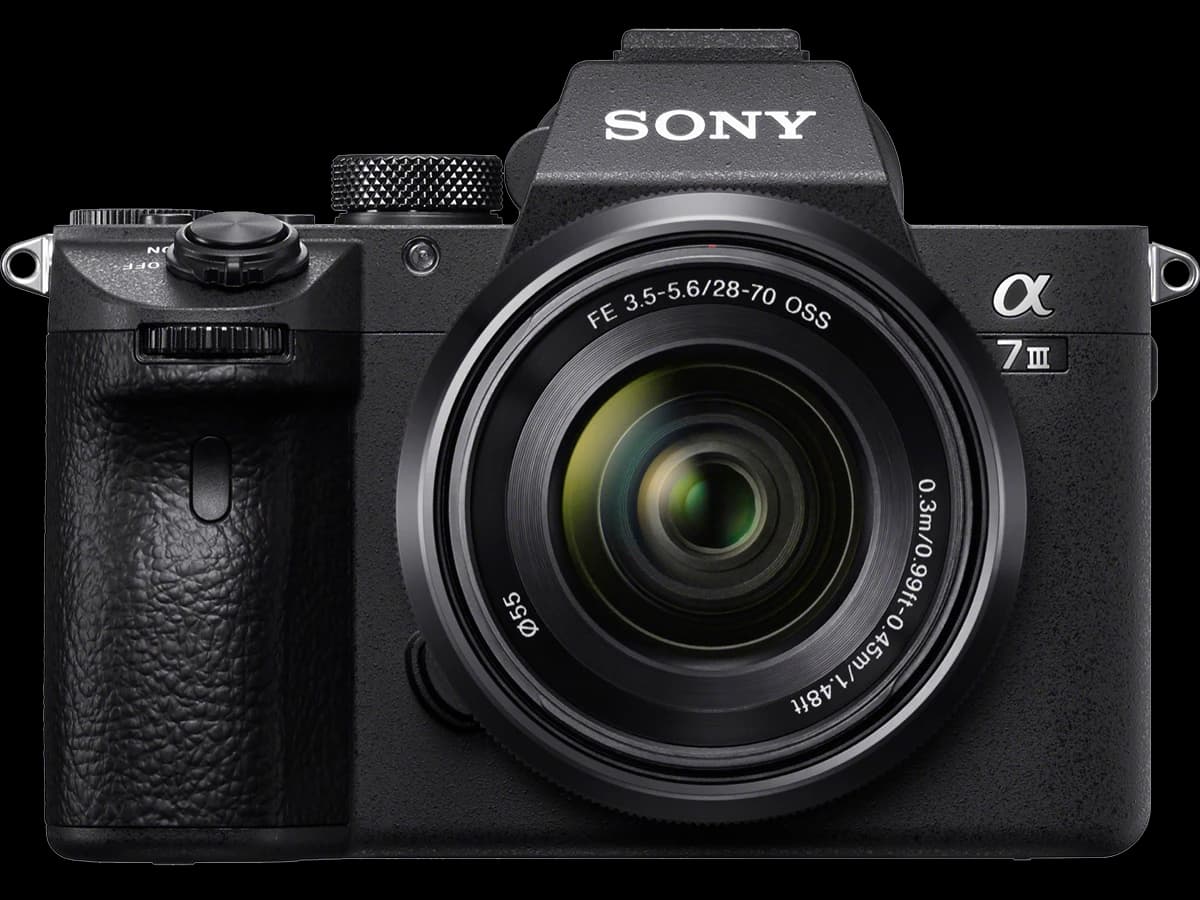
Review: Sony α7 III – Still Relevant in 2026?
The Sony α7 III remains an excellent used choice for weddings, portraits and travel thanks to its **710-shot CIPA battery life** and 693-point AF. Demanding videographers should look elsewhere.
Read the review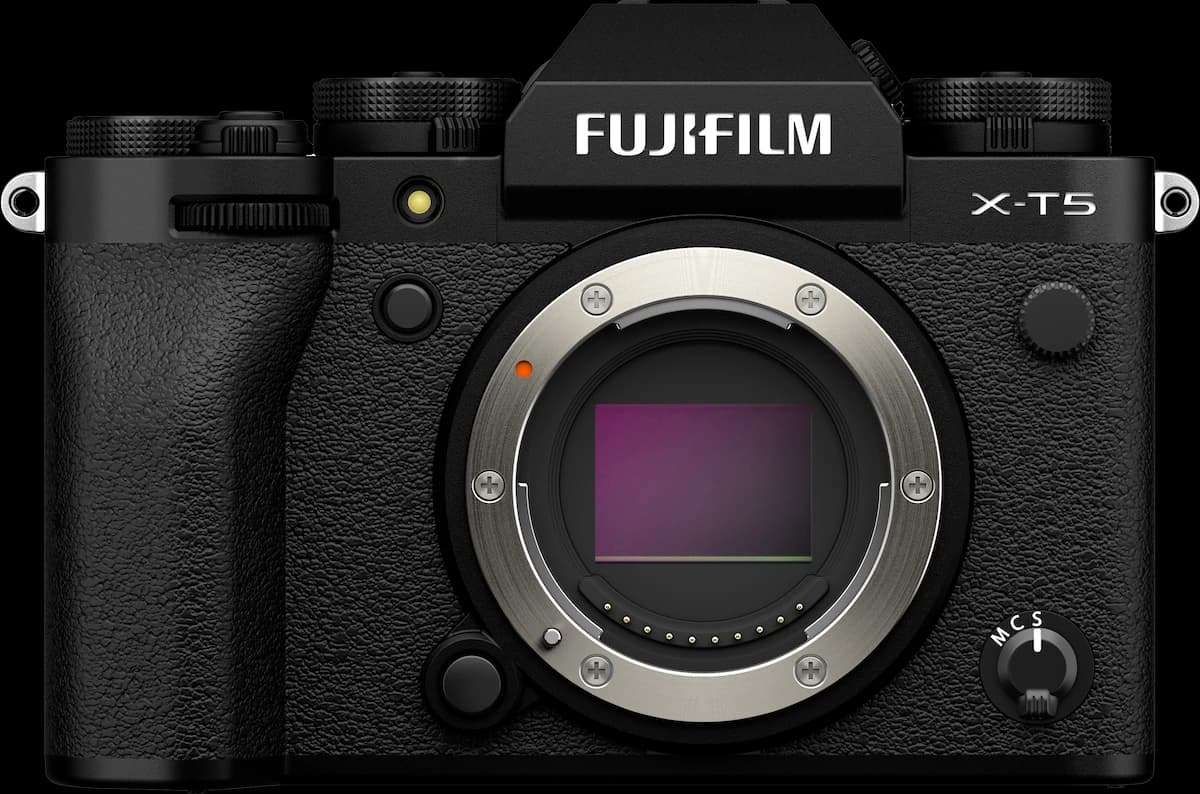
Fujifilm X-T5 Review: Pure Photography Before Video
The Fujifilm X-T5 suits landscape, portrait or travel photographers seeking 40.2 MP in a compact 557 g body. It is not a tool for intensive sport or professional video.
Read the review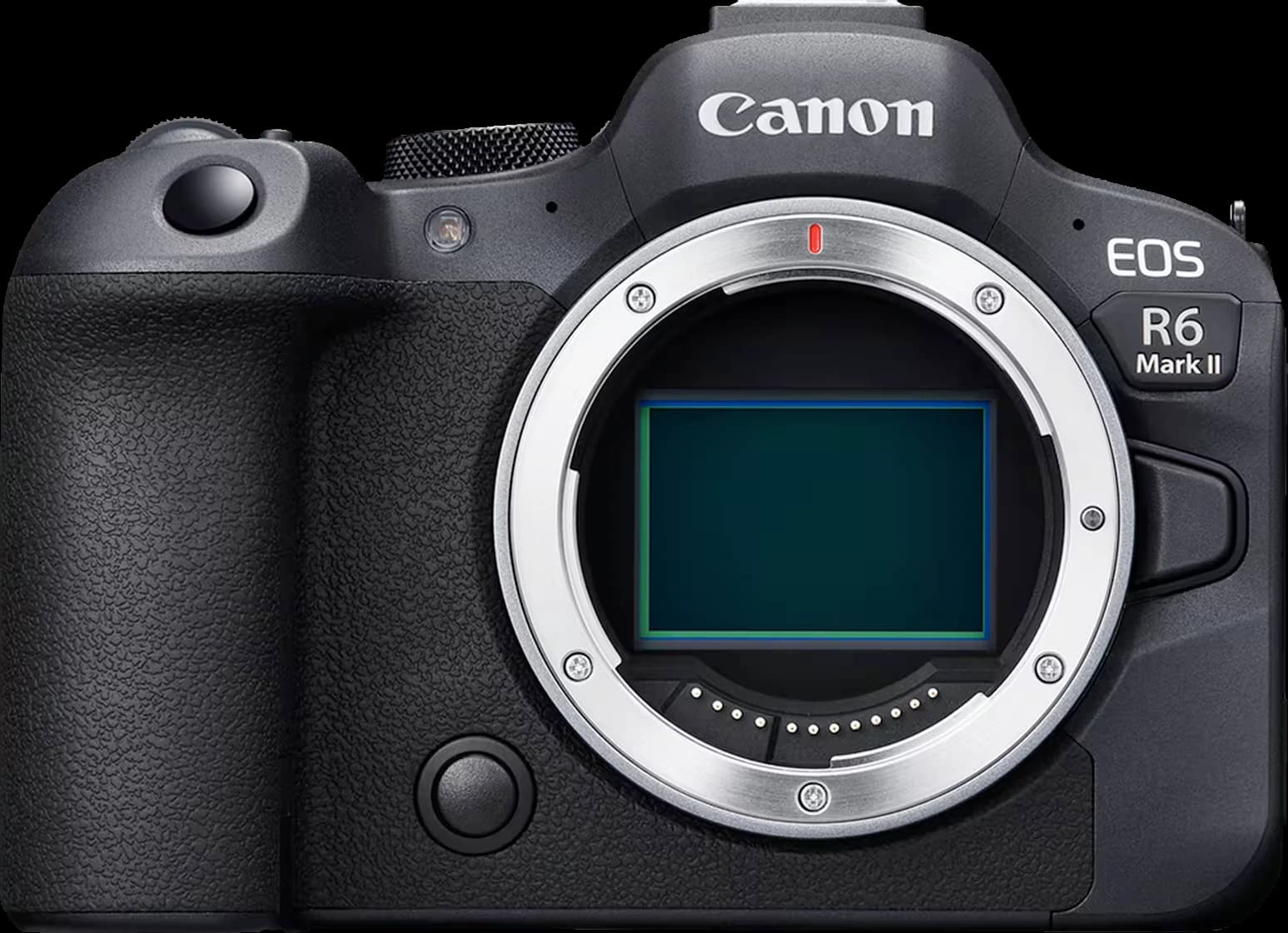
Review Canon EOS R6 Mark II: Still the Right Choice in 2026?
The Canon EOS R6 Mark II remains the most balanced general-purpose hybrid in its class for weddings, portraits and travel, provided you accept a RAW buffer limited to 75 images and video capped at 4K/60p.
Read the review