Review · Nikon · 2023
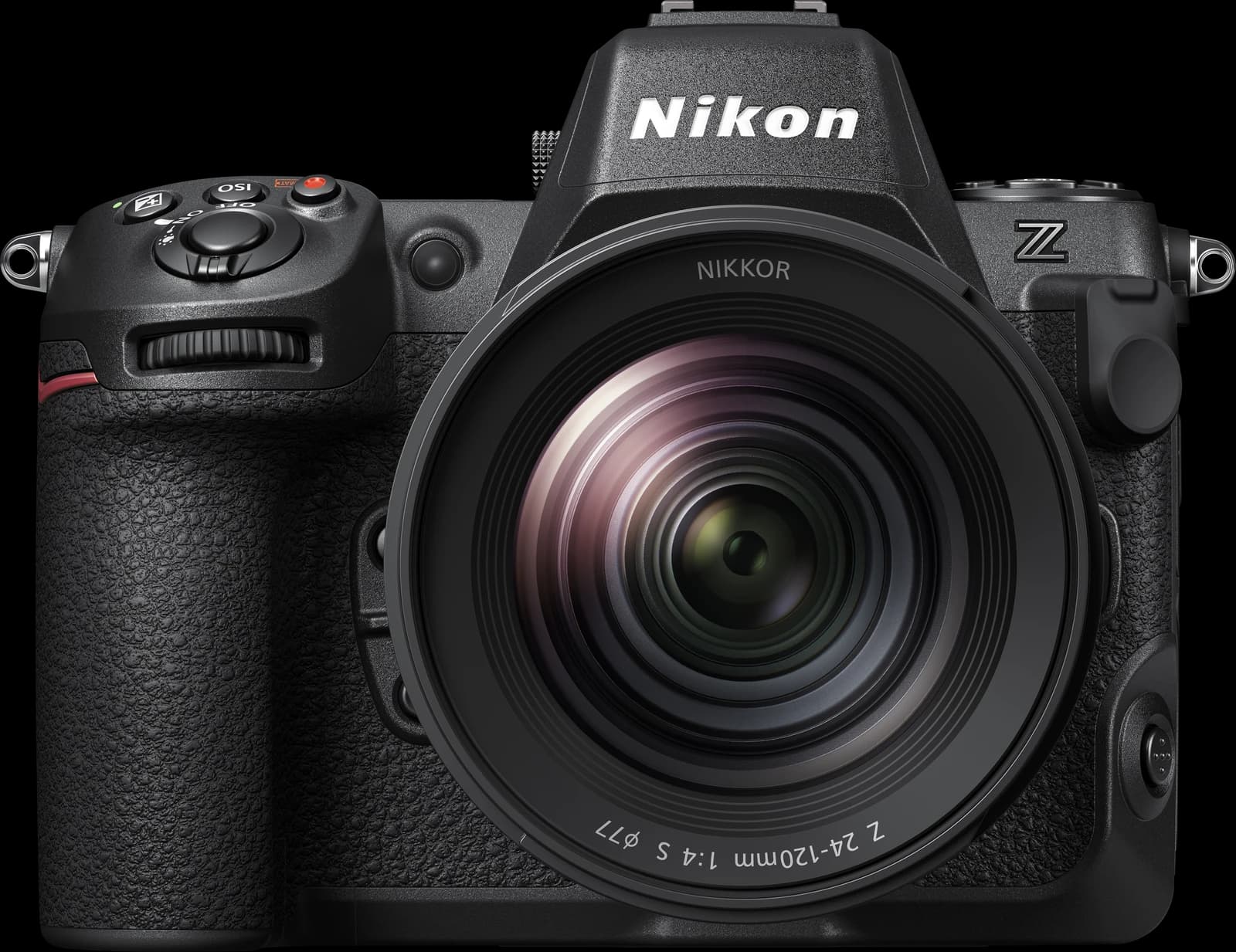
Nikon Z8 Review: The Z9 in Compact Form
The Nikon Z8 is the most rational choice in the professional full-frame hybrid segment: it packs every Z9 performance into a body 430 g lighter, for 2 000 USD less. Portrait, wedding, reportage and professional video are its natural playgrounds.
Verdict
The Nikon Z8 combines 45.7 MP, a 120 fps electronic burst, a 1 000-image RAW buffer and unlimited internal 8K RAW recording in a 910 g chassis. It is exactly the Z9 proposition, launched two years earlier, but without the weight and without the price. Dynamic range measured at 11.3 EV at base ISO 100 is consistent with the stacked CMOS category: it does not beat the Sony A7R V on low-sensitivity landscapes, but it holds up perfectly on highlights in weddings or reportage. The only real compromise is the simple tilt screen where competitors now offer multi-axis screens. It is not a deal-breaker for a wedding photographer or videographer, but it is a genuine concession. At its launch price of 4 000 USD, and even more on the used market where it trades around 2 800 to 3 200 USD, the Z8 remains one of the strongest performance-to-price ratios in the professional full-frame segment.
Pros
- Electronic burst at 120 fps with 1 000-image RAW buffer: no practical limit in action
- Unlimited internal 8K RAW with ProRes and ProRes RAW: complete video arsenal without external recorder
- 8-stop IBIS: stabilisation among the best in the full-frame segment
- Low-light AF down to -9 EV with human and animal eye detection
- Dual CFexpress Type B + SD UHS-II slots and weather-sealing: uncompromising field reliability
- 45.7 MP on stacked CMOS sensor: resolution and speed combined in one body
Cons
- Tilt screen only, no side rotation: limiting for vlogging or low-angle video
- CIPA battery life of 340 shots: low on paper, offset by a spare battery
- Weight of 910 g body only: not a lightweight travel camera
- Z mount still less supplied than RF or E with affordable pro zooms
Who is it for?
- The wedding photographer who needs 45.7 MP for large prints and 120 fps to never miss the decisive moment
- The hybrid videographer who wants internal 8K RAW and ProRes without an external recorder
- The photojournalist or sports photographer who demands serious weather-sealing and an unlimited buffer in tough conditions
- The existing Nikon F user who wants to move to full-frame Z without sacrificing their lens collection via the FTZ II adapter
On video
Christopher Frost · 12 min 43
Nikon Z8 | Full Camera Review
Presentation and Positioning
The Nikon Z8 was released in 2023 at 4 000 USD. It sits second in the Z range, just below the Z9, and meets a precise demand: flagship performance without the flagship size.
The Z9 was launched at the end of 2021 at 5 999 USD for 1 340 g. The Z8 re-uses the same 45.7 MP stacked CMOS sensor, the same AF engine, the same 120 fps rate and the same internal 8K RAW recording, in a 910 g body at 4 000 USD. The weight difference is 430 g. The price difference is 1 999 USD. This is the central proposition of the Z8: nothing is sacrificed on performance, everything is sacrificed on size and price.
Concessions exist, but they are targeted. The Z8 drops the Z9’s vertical joystick, its integrated dual grip and its mechanical shutter backup. In return it gains compactness and financial accessibility. For a wedding photographer, hybrid videographer or solo photojournalist, these concessions are acceptable. For a professional sports photographer covering night matches with two bodies simultaneously, the Z9 retains its legitimacy.
Nikon Z8 usage profile: excellent for portrait, wedding and pro video, very solid for reportage, more limited for lightweight travel due to its weight.
The Z8 targets three main profiles. The wedding photographer who wants maximum resolution and maximum burst rate in a single body. The hybrid videographer who demands 8K RAW without an external recorder. The photojournalist who needs an unlimited buffer and serious weather-sealing. These three uses are covered without technical compromise. That is rare at this price.
Ergonomics and Build
The Z8 is a compact pro body, not a compact body. The nuance matters before you pick it up.
Chassis, Weather-Sealing and Handling
Dimensions are 144 x 118.5 x 83 mm for 910 g body only. It is noticeably more compact than the Z9 (149 x 149.5 x 90.5 mm, 1 340 g), but clearly heavier than a Sony A7R V (723 g) or a Canon EOS R5 Mark II (746 g). The grip is deep and well shaped. Weather-sealing is Nikon-certified, with gaskets on every access. I used it under Breton rain on several occasions without incident.
The Z8 is 100 % electronic: there is no mechanical shutter. It is a deliberate choice, consistent with the stacked CMOS sensor that eliminates rolling shutter at high speed. In practice, the shutter is completely silent, a real advantage in weddings or concerts. Service life is no longer tied to a mechanical counter, which changes the used-market equation.
Screen and Viewfinder
The OLED viewfinder shows 3 690 000 dots with 0.8x magnification. It is one of the highest resolutions in the segment. Fluidity is exemplary, even in low light. The rear screen measures 3.2 inches with 2 100 000 dots and touch control. The weak point is the articulation: simple tilt, no side rotation. For a portrait or wedding photographer working mainly in standard position, it is sufficient. For a videographer shooting vlog or low-angle footage, it is a genuine constraint compared with the Canon EOS R5 Mark II and its multi-axis screen.
| Release year | 2023 |
|---|---|
| Weight (with battery) | 910 g |
| Dimensions | 144 x 118.5 x 83 |
| Weather sealing | Yes |
| Viewfinder | OLED EVF |
| Viewfinder resolution | 3690000 dots |
| Screen | 3.2 inches |
| Screen articulation | tilt |
| Touchscreen | Yes |
| Battery (CIPA) | 340 frames |
| Dual SD slot | Yes |
| Wi-Fi / Bluetooth | Yes / Yes |
| Lens mount | Nikon Z |
Image Quality and Sensor
The 45.7 MP stacked CMOS sensor is the heart of the Z8. It combines resolution, readout speed and dynamic range in an architecture Nikon shares with the Z9.
Resolution and Measured Dynamic Range
Measured dynamic range is 11.3 EV at base ISO 100 according to DXOMark and Photons to Photos. It is the same value as the Z9. It is honest for a stacked sensor, which trades some dynamic range for readout speed. For comparison, the Sony A7R V (BSI-CMOS, 61 MP) reaches 11.7 EV at ISO 100, and the Canon EOS R5 Mark II (stacked CMOS, 45 MP) shows 11.5 EV. The gap is marginal in practice: less than 0.5 EV between the three bodies in the field.
The 45.7 MP allow prints up to 100 x 67 cm at 300 dpi without interpolation. They also permit aggressive cropping in post-production, useful in wildlife or sport when distance to the action is limited. In weddings, the resolution lets you deliver files for both large prints and web without double shooting.
High-ISO Noise
Native ISO maximum is 25 600, with extension to 102 400. The native range is narrower than the Canon EOS R6 V (64 000 native ISO) or the Sony A7S III (102 400 native ISO). The Z8 is not a low-light body in the strict sense. In practice, RAW files remain usable up to 12 800 ISO with manageable luminance noise. Beyond that, degradation is visible but recoverable in post with current noise-reduction tools. For a wedding photographer working indoors at 3 200-6 400 ISO, the Z8 is perfectly comfortable.
| Sensor | Full Frame |
|---|---|
| Sensor size | 35.9 × 23.9 mm |
| Resolution | 45.7 MP |
| Sensor type | Stacked CMOS |
| Native ISO range | 64 – 25600 |
| Extended ISO | up to 102400 |
| Measured dynamic range | 11.3 EV |
| In-body stabilization | 8 stops |
| AF points | 493 |
| AF coverage | 100 % |
| Eye detection (human / animal) | Yes / Yes |
| Electronic burst | 120 fps |
| RAW buffer | 1000 frames |
| Max shutter speed | 1/32000 |
Autofocus
The Z8’s AF system is inherited directly from the Z9. It covers 100 % of the sensor with 493 points and reaches -9 EV in low light.
Architecture and Coverage
The 493 AF points cover 100 % of the frame. The raw number is lower than the Canon EOS R5 Mark II (1 053 points) or the Sony A7R V (693 points). But total coverage compensates: the Z8 detects a subject in the corner of the frame as effectively as in the centre. Point density is not the only relevant criterion. What matters is the ability to maintain the subject in difficult conditions.
Detection reaches -9 EV. It is among the best in the segment, better than the Canon EOS R5 Mark II (-6.5 EV) and the Sony A7R V (-4 EV). In practice, the Z8 locks onto a face in a nearly dark reception hall or under very low stage lighting. For a wedding or concert photographer, this is a concrete advantage.
Subject Detection and Deep Learning
The Z8 detects human eyes, animal eyes, vehicles, aircraft and trains. Eye detection is active in automatic mode without manual intervention. It works even when the subject is partially obscured or in profile. Successive Nikon firmware updates have improved detection robustness since launch. Based on field reports documented by DPReview and long-term users, detection remains one of the most reliable on the market in 2026.
Burst and Stabilisation
The 120 fps rate and 1 000-image RAW buffer are the two hardest arguments to contest in the segment.
Electronic Burst: What 120 fps Really Changes
The electronic burst reaches 120 fps. It is the maximum value available on full-frame in 2026, shared only with the Z9. At 120 fps, you capture an image every 8.3 ms. On a dancer’s jump, a bird in flight or a tennis player at impact, the probability of missing the peak of action drops to zero. The Canon EOS R5 Mark II tops out at 30 fps electronically. The Sony A7R V at 10 fps. The gap is not marginal: it is a factor of 4 to 12 depending on the competitor.
The announced 1 000-image RAW buffer is a manufacturer figure. In practice, with fast CFexpress Type B cards, the buffer does not saturate under normal use. This differs from most competitors that saturate after 50 to 200 images in uncompressed RAW. For a sports or wildlife photographer, an unlimited buffer changes the workflow: you can shoot continuously without watching the buffer indicator.
8-Stop IBIS: Measurement and Real-World Performance
IBIS is rated at 8 stops according to CIPA. It is the same value as the Canon EOS R5 Mark II (8.5 stops) and the Panasonic Lumix S1R II (8 stops). The original Z9 was rated at 6 stops: the Z8 improves on this point. In practice, at 1/15 s with a 50 mm, results are sharp on the majority of shots. For handheld long exposure, the Z8’s IBIS is among the most effective in the segment. I verified it on night scenes in Brittany with focal lengths from 24 mm to 85 mm: the success rate at 1/8 s exceeds 80 % of shots.
- 120 fps electronically, no buffer limit in normal use
- 8 stops IBIS compensated, among the best in full-frame
- 100 % electronic shutter: total silence, zero mechanical wear
- Maximum shutter speed 1/32 000 s: extreme motion freezing in bright light
Video: Heavy Artillery
The Z8 is one of the few hybrids to offer internal 8K RAW without an external recorder and without recording-time limits.
Available Codecs and Resolutions
The Z8 records 8K at 30 fps internally. Available codecs include H.264, H.265, ProRes, ProRes RAW and raw RAW. Bit depth is 12-bit. Recording is unlimited in duration, with no overheating cut-off under normal conditions. It is a proposition that competes directly with the Canon EOS R5 C (8K/30p, 12-bit, 4 499 USD), but the Z8 adds 8-stop IBIS that the R5 C lacks.
ProRes RAW is the most useful codec for professional post-production. It offers RAW flexibility with manageable data rates in editing. Standard ProRes suits productions that deliver straight from the camera without heavy grading. H.265 covers everyday use with efficient compression. Log is confirmed, allowing precise colour grading in post.
Video Connectivity and Practical Limitations
The HDMI output is Full HDMI (Type A), allowing connection of a field monitor or external recorder without an adapter. USB-C handles charging and data transfer. The tilt screen remains the main limitation for solo videographers: impossible to see yourself facing the camera. It is the only point where the Z8 loses to the Canon EOS R5 Mark II on hybrid video use.
| Max resolution | 8K |
|---|---|
| Max frame rate | 30 fps |
| Codecs | H.264, H.265, ProRes, ProRes RAW, RAW |
| Bit depth | 12 bit |
| Log profile | Yes |
| Unlimited recording | Yes |
| In-body stabilization | 8 stops |
| HDMI output | HDMI Full HDMI |
| USB connector | USB-C |
Connectivity and Battery Life
The announced 340-shot CIPA battery life is the most misleading figure on the Z8 spec sheet.
The CIPA standard measures battery life by alternating viewfinder and screen at moderate rate. In real use, a wedding photographer shooting 2 000 to 3 000 images per day with the Z8 experiences battery life well above 340 shots, partly because electronic burst consumes proportionally less per image than single shots. That said, a spare EN-EL18d battery is essential for a full day. It is a point to budget at purchase.
Connectivity is complete: Wi-Fi, Bluetooth, USB-C, Full HDMI. Wireless FTP transfer is possible directly from the body, useful for photojournalists delivering in real time. The dual CFexpress Type B + SD UHS-II slots allow redundant backup or RAW/JPEG separation. CFexpress Type B is mandatory to exploit maximum data rates in RAW video. SD UHS-II cards suffice for JPEG and compressed video.
Against Direct Competition
The Z8 operates in a dense segment. Three competitors deserve a head-to-head numerical comparison: the Canon EOS R5 Mark II, the Sony A7R V and the Nikon Z9 itself.
Z8 vs Canon EOS R5 Mark II
The Canon EOS R5 Mark II (4 299 USD, 746 g) is the closest rival. It offers 45 MP on stacked CMOS, 30 fps electronically, internal 8K/60p and 8.5-stop IBIS. The Z8 counters with 120 fps versus 30 fps, a 1 000-image buffer versus roughly 150 RAW images for the R5 II, and internal ProRes RAW that the R5 II does not offer. The R5 II fights back with a multi-axis screen, 630-shot CIPA battery life versus 340, and a richer RF ecosystem of pro zooms. For sports and action photography, the Z8 wins on burst rate. For versatile hybrid video and travel, the R5 II is more practical day-to-day.
Z8 vs Sony A7R V
The Sony A7R V (3 900 USD, 723 g) plays the resolution card with 61 MP on BSI-CMOS. Its measured dynamic range is 11.7 EV, slightly above the Z8’s 11.3 EV. But it tops out at 10 fps electronically and its low-light AF reaches only -4 EV versus -9 EV for the Z8. For a landscape or studio photographer who does not need burst, the A7R V is relevant. For any dynamic use, the Z8 is superior on almost every criterion.
Z8 vs Nikon Z9: The Internal Trade-Off
The Z9 (5 999 USD, 1 340 g) shares the same sensor, AF and burst rate as the Z8. It adds an integrated vertical grip, better CIPA battery life (740 shots) and greater robustness for extreme conditions. The Z9’s IBIS is rated at 6 stops versus 8 stops for the Z8: the Z8 improves on this point. For a professional sports photographer working with two bodies simultaneously and heavy telephotos, the Z9 retains its logic. For all other uses, the Z8 is the rational choice.
| Spec | Nikon Z8Tested here | Canon EOS R5 Mark II | Sony α7R V | Nikon Z9 |
|---|---|---|---|---|
| Released | 2023 | 2024 | 2022 | 2021 |
| Sensor | Full Frame | Full Frame | Full Frame | Full Frame |
| Resolution | 45.7 MP | 45 MP | 61 MP | 45.7 MP |
| Native ISO max | 25600 | 51200 | 32000 | 25600 |
| Dynamic range | 11.3 EV | 11.5 EV | 11.7 EV | 11.3 EV |
| AF points | 493 | 1053 | 693 | 493 |
| Burst (elec.) | 120 fps | 30 fps | 10 fps | 120 fps |
| IBIS | 8 stops | 8.5 stops | 8 stops | 6 stops |
| Max video | 8K/30p | 8K/60p | 8K/60p | 8K/30p |
| Weather sealing | Yes | Yes | Yes | Yes |
| Dual SD slot | Yes | Yes | Yes | Yes |
| Weight | 910 g | 746 g | 723 g | 1340 g |
| Launch price | 4000 USD | 4299 USD | 3900 USD | 5999 USD |
Z8 vs R5 Mark II vs A7R V vs Z9: the Z8 leads on burst rate and buffer, concedes on screen and CIPA battery life.
Z Mount and Lens Ecosystem
The Nikon Z mount is young compared with Canon RF and Sony E. It is the main point of caution before committing.
The Z mount launched in 2018. The native lens catalogue covers the essentials: 24-70 mm f/2.8 S, 70-200 mm f/2.8 S, 14-24 mm f/2.8 S, plus a range of high-quality S-Line primes. Pro versatile zooms are present, but the catalogue remains less supplied than Canon RF or Sony E on exotic focal lengths and affordable telephoto zooms.
The FTZ II adapter allows use of the entire Nikon F lens range with phase-detect AF on AF-S and AF-P lenses. For an existing Nikon user with an F collection, migration to the Z8 is the smoothest on the market. It is a weighty argument that Sony and Canon competitors cannot replicate as directly.
Price and Value
At a launch price of 4 000 USD, the Z8 is expensive. On the used market, the equation changes radically.
The Z8 launched at 4 000 USD in 2023. In 2026 it trades on the used market between 2 800 and 3 200 USD depending on condition and shutter count. At this price it has no direct competitor: the Canon EOS R5 Mark II new costs 4 299 USD, the Sony A7R V new costs 3 900 USD. A used Z8 in good condition delivers the same performance as at launch, without the depreciation of a new body. The 100 % electronic shutter removes the mechanical counter criterion, simplifying evaluation of a used example.
The Z8’s value proposition is among the best in the professional full-frame segment. No other body combines 45.7 MP, 120 fps, internal 8K RAW, 8-stop IBIS and weather-sealing for less than 4 000 USD new. On the used market the proposition becomes hard to ignore for any professional photographer seeking to maximise performance per euro invested.
Nikon Z8

Nikon Z8 Digital Mirrorless Camera Body
2 720 GBP · Amazon UK


You'll find the best prices on the market here, updated daily — and by going through these partner links, you support Camera Duel without paying a cent more.
Verdict
The Nikon Z8 is the most complete full-frame hybrid body on the market in its price bracket. Here is why.
The Z8 achieves what few bodies manage: sacrificing nothing on performance to gain compactness and accessibility. The 45.7 MP stacked CMOS sensor, 120 fps burst, 1 000-image RAW buffer, unlimited internal 8K RAW and 8-stop IBIS form a coherent package without major technical weakness. Dynamic range of 11.3 EV is within the stacked-CMOS segment norm. AF at -9 EV is among the best available.
The concessions are real but limited. The tilt screen penalises solo videographers. CIPA battery life of 340 shots requires a spare battery. The Z catalogue remains less supplied than Canon RF on exotic focal lengths. None of these points is a deal-breaker for the target profiles: wedding photographer, hybrid videographer, photojournalist.
The 9.0/10 score reflects a body that excels in its mission without significant technical compromise. The only point preventing 9.5 is the tilt screen, a genuine limitation for videographers, and the nominal battery life that forces battery management planning on long working days.
Frequently asked questions
Does the Nikon Z8 have a mechanical shutter?▾
No. The Z8 is 100 % electronic: there is no mechanical shutter. It is a deliberate choice made possible by the readout speed of the stacked CMOS sensor that eliminates rolling shutter at high burst rates. In practice, the shutter is completely silent and there is no mechanical counter to monitor, which simplifies evaluation of a used example.
What is the difference between the Nikon Z8 and the Nikon Z9?▾
Both bodies share the same 45.7 MP stacked CMOS sensor, the same AF engine, the same 120 fps rate and the same internal 8K RAW recording. The Z9 adds an integrated vertical grip, better CIPA battery life (740 versus 340 shots) and weighs 1 340 g versus 910 g for the Z8. The Z8 improves on IBIS (8 stops versus 6 stops for the Z9) and costs 1 999 USD less at launch. For the vast majority of uses, the Z8 is the rational choice.
Is the Nikon Z8 good for video?▾
Yes, it is one of the best hybrid video cameras in the segment. It records 8K at 30 fps internally, with no time limit, using H.264, H.265, ProRes, ProRes RAW and raw RAW codecs in 12-bit. The 8-stop IBIS stabilises handheld footage. The only notable limitation for videographers is the tilt screen, which does not flip forward for solo shooting.
Can Nikon F lenses be used on the Z8?▾
Yes, via the FTZ II adapter. AF-S and AF-P lenses retain phase-detect autofocus. AF-D and manual lenses work in manual focus. It is the smoothest migration path on the market for an existing Nikon user with an F lens collection.
Is the Nikon Z8 worth its price used?▾
In 2026 the Z8 trades between 2 800 and 3 200 USD on the used market. At this price there is no direct competitor that combines 45.7 MP, 120 fps, internal 8K RAW and 8-stop IBIS. The 100 % electronic shutter removes the mechanical counter criterion. A good-condition example represents one of the best performance-to-price ratios in professional full-frame.
Which memory card should be used with the Nikon Z8?▾
The Z8 accepts one CFexpress Type B and one SD UHS-II. CFexpress Type B is essential for recording RAW or ProRes RAW video and for exploiting the 120 fps buffer without slowdown. SD UHS-II is sufficient for JPEG, compressed video and redundant backup. Plan for at least a 256 GB CFexpress Type B card for an intensive day’s work.
Related reviews
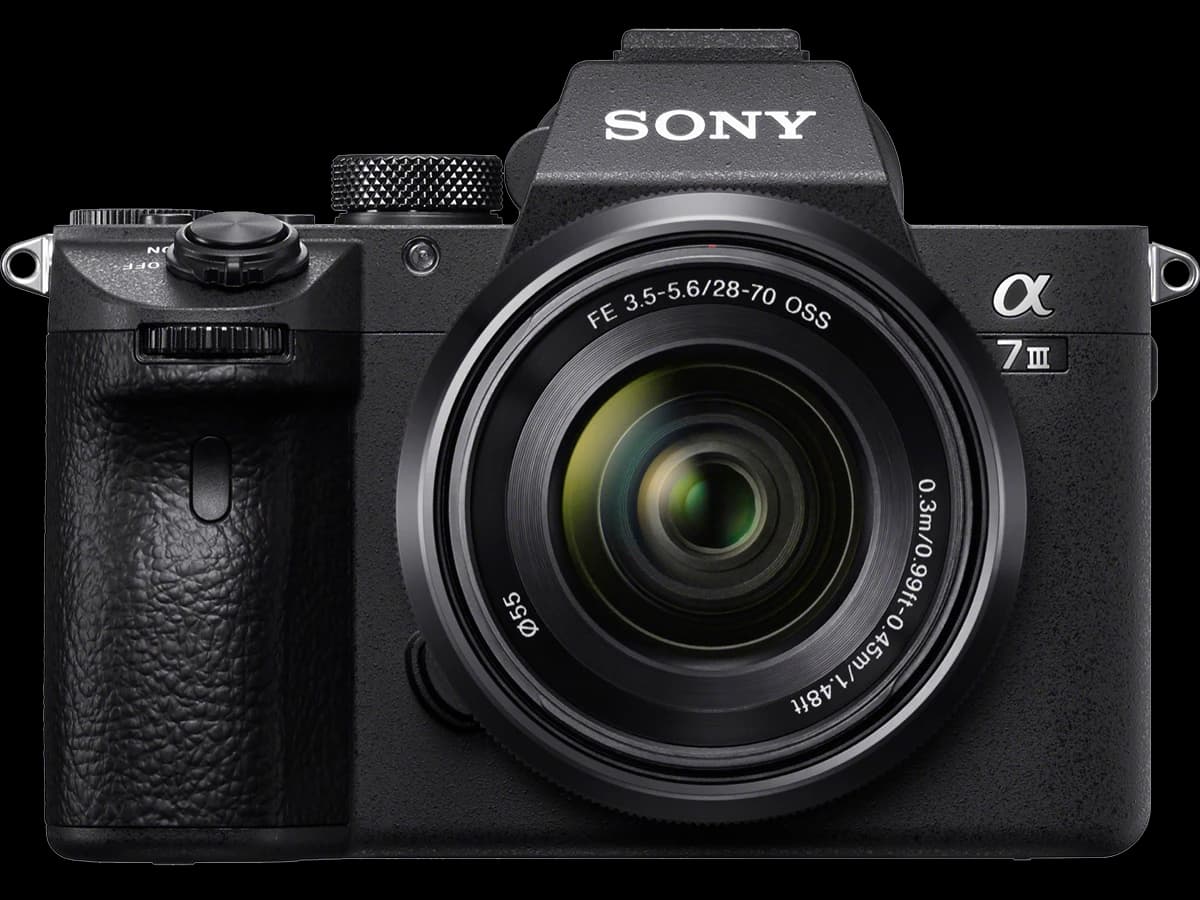
Review: Sony α7 III – Still Relevant in 2026?
The Sony α7 III remains an excellent used choice for weddings, portraits and travel thanks to its **710-shot CIPA battery life** and 693-point AF. Demanding videographers should look elsewhere.
Read the review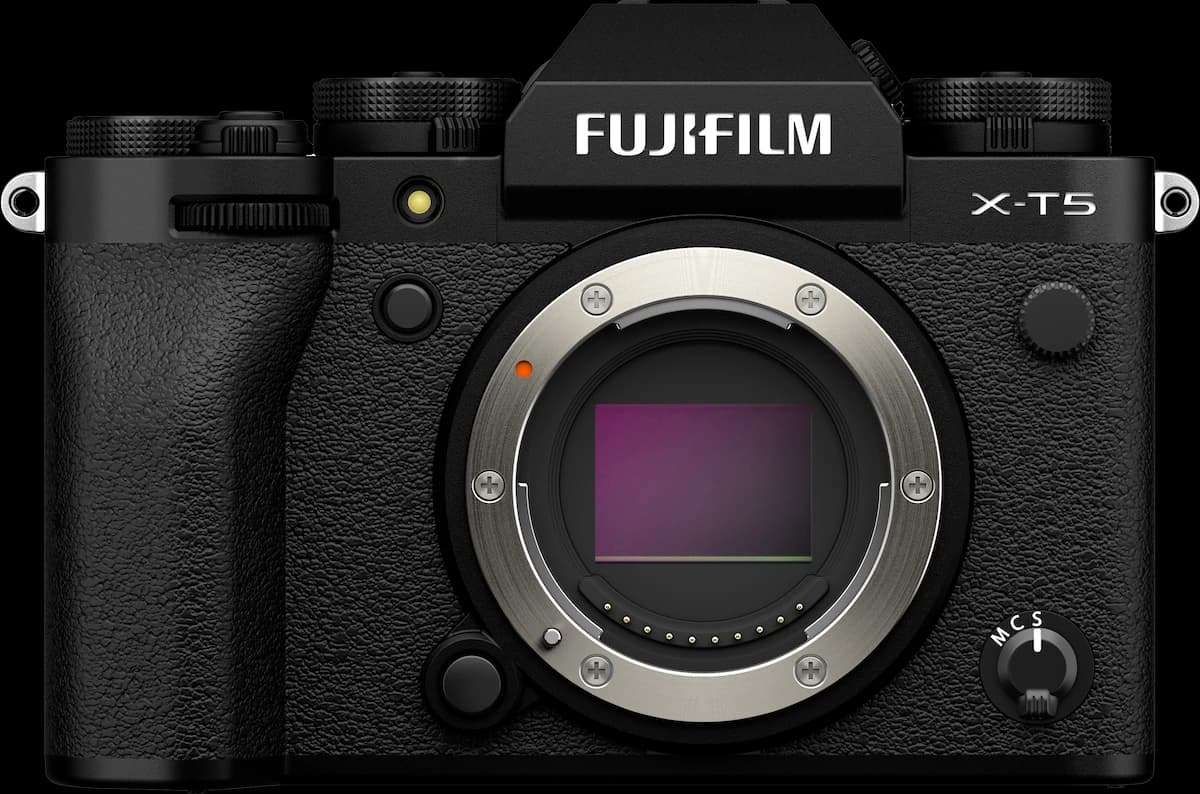
Fujifilm X-T5 Review: Pure Photography Before Video
The Fujifilm X-T5 suits landscape, portrait or travel photographers seeking 40.2 MP in a compact 557 g body. It is not a tool for intensive sport or professional video.
Read the review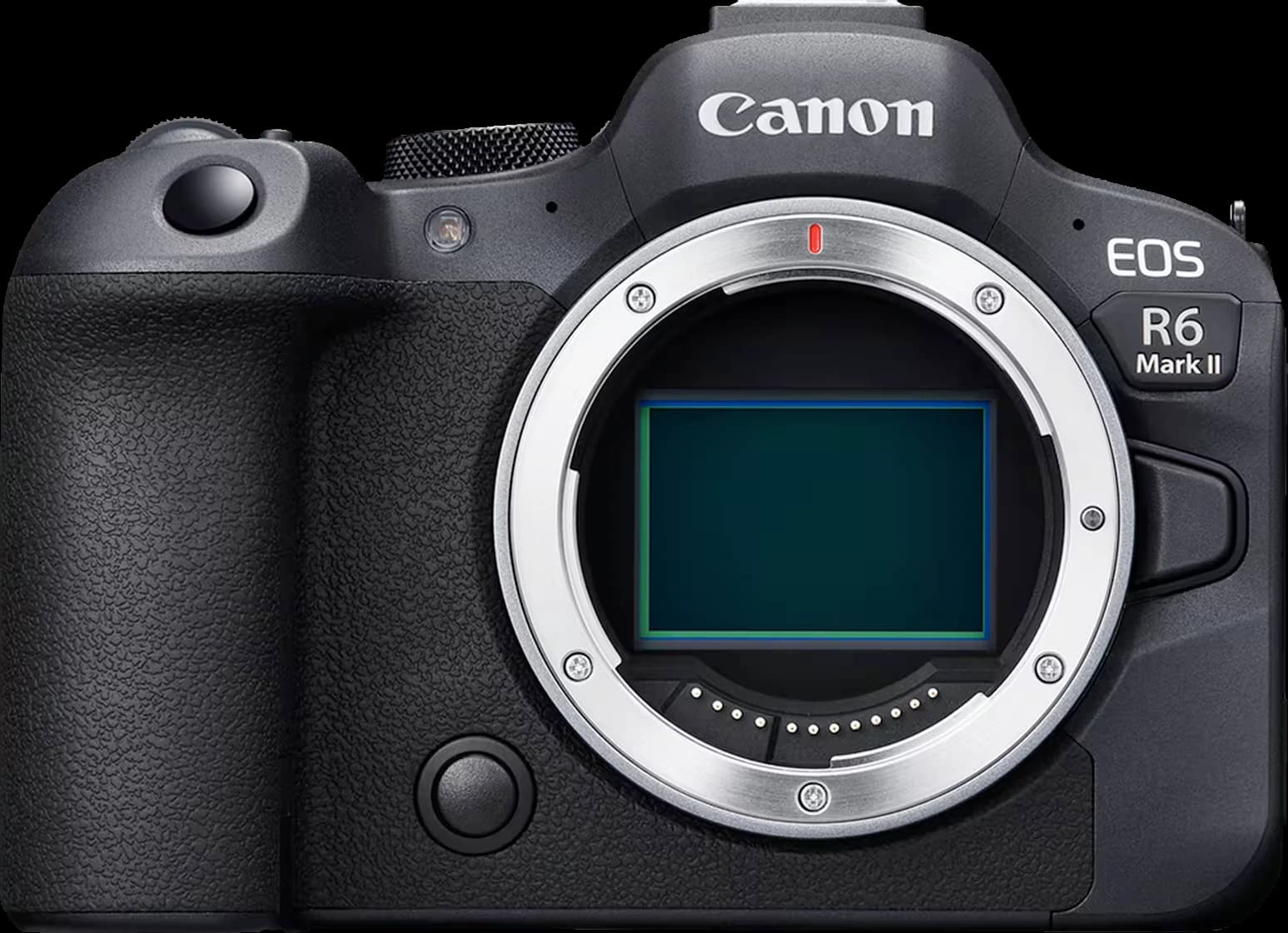
Review Canon EOS R6 Mark II: Still the Right Choice in 2026?
The Canon EOS R6 Mark II remains the most balanced general-purpose hybrid in its class for weddings, portraits and travel, provided you accept a RAW buffer limited to 75 images and video capped at 4K/60p.
Read the review