Review · Sony · 2024
Review: Sony ZV-E10 II – the APS-C vlogger that hits the mark
The Sony ZV-E10 II is the best APS-C hybrid under 1000 USD for content creators who want serious 4K 10-bit video without paying A6700 prices. Pure photographers should look elsewhere.
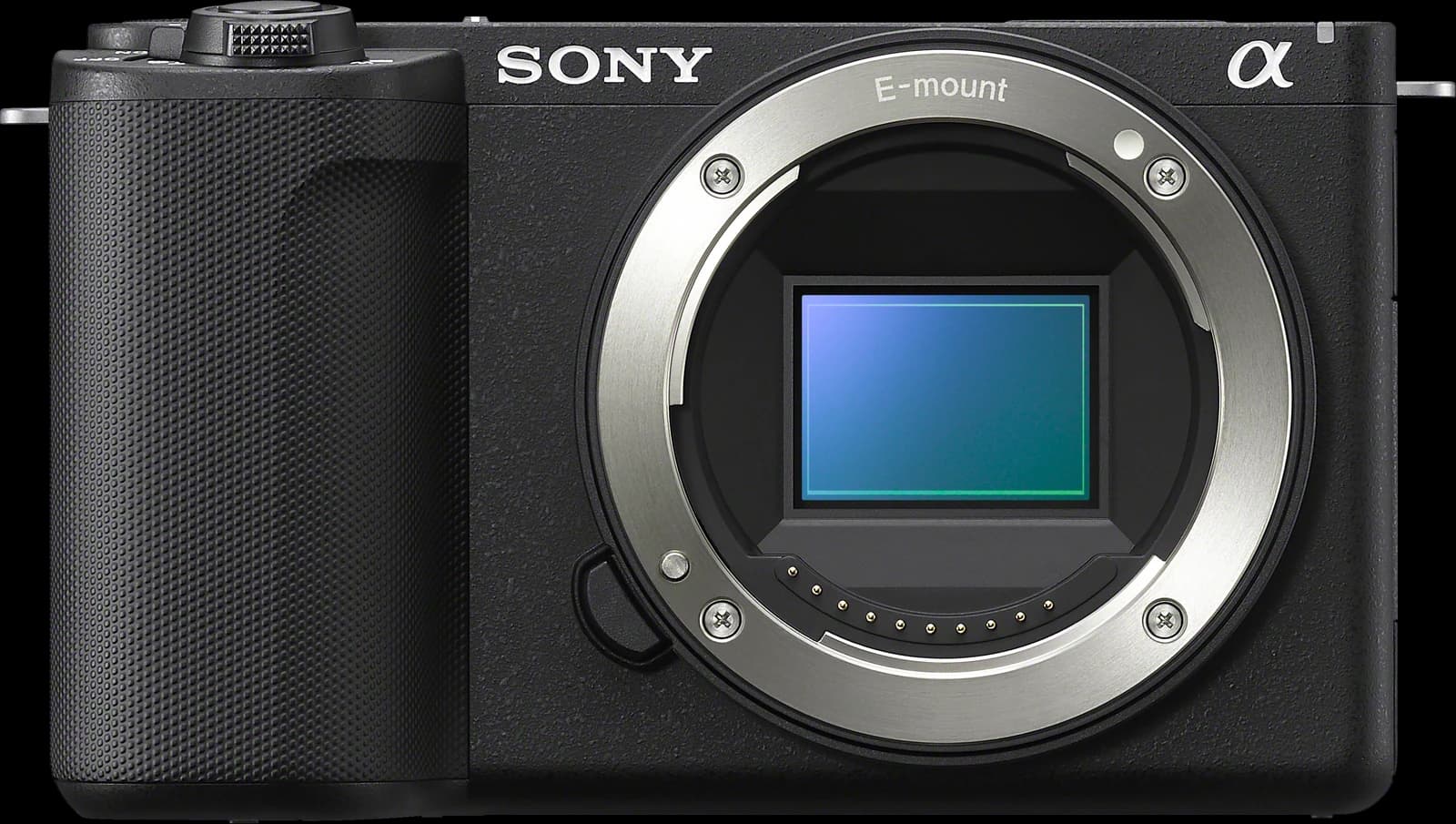
Verdict
The Sony ZV-E10 II fulfils its brief with consistency. It targets the content creator upgrading from a smartphone or the original ZV-E10 without crossing the 1400 USD threshold of the A6700. The 26 MP BSI-CMOS sensor inherited from the FX30 delivers 4K 10-bit video in S-Log3 with unlimited recording, a built-in 3-capsule microphone and 759-point AF covering 94 % of the sensor: a coherent package for vlogging and light travel. The compromises are real and deliberate: no IBIS, no weather-sealing, a single SD UHS-II slot, and no viewfinder. These omissions do not penalise the indoor or mobile-studio vlogger, but they rule the body out for field reporting or sports photography. At a launch price of 999 USD it sits 400 USD below the A6700 with a different usage profile, not an inferior one. It is an honest tool, well calibrated for its audience.
Pros
- 4K 10-bit S-Log3 video with unlimited recording at 999 USD
- 759-point AF, 94 % coverage, human and animal eye detection
- Built-in 3-capsule microphone with directional zoom and wind reduction
- 610-shot CIPA battery life, above segment average
- 292 g weight, compact format ideal for travel and mobile vlogging
- E-mount: access to one of the richest APS-C lens ecosystems
Cons
- No IBIS: only software stabilisation (Active SteadyShot with crop)
- No weather-sealing: unusable in rain without external protection
- Single SD UHS-II slot: no redundancy, risk of data loss
- No viewfinder: composition only on screen, problematic in bright sun
- Photo score 4.1/10: the camera is not designed for sports or reportage
Who is it for?
- YouTube/Instagram creators wanting to leave the smartphone behind and access 4K 10-bit video without exceeding 1000 USD
- Light travellers who shoot mainly video and want a body under 300 g with good field endurance
- Beginner to intermediate vloggers needing a capable built-in microphone and vari-angle screen for solo filming
- Portrait and street photographers wanting a compact second body on E-mount, compatible with existing lenses
On video
Damien Bernal · 10 min 11
test Sony ZV-E10 II ✅ Performance élevée 💰 budget limité
Presentation and positioning
The ZV-E10 II is not a stripped-down A6700. It is a tool designed for content creators, with design choices that only make sense in that context.
Sony launched the ZV-E10 II in 2024 at 999 USD, three years after the original ZV-E10 at 700 USD. The price gap is significant, but the step up is real. The predecessor offered a 24 MP conventional CMOS sensor, 4K 8-bit video capped at 30 fps, and 425-point AF covering 84 % of the sensor. The successor changes generation on the three points that matter most to a vlogger: sensor, video, autofocus.
The lineage is clear with the Sony FX30 (1800 USD) and Sony A6700 (1398 USD). All three bodies share the same 26 MP BSI-CMOS sensor and the same 759-point AF engine. What the ZV-E10 II sacrifices to reach 999 USD: the A6700’s 5-stop IBIS, weather-sealing, dual card slots, and viewfinder. These are deliberate concessions, not oversights. The target user is the indoor or controlled-environment content creator, not the field reporter.
Usage profile of the Sony ZV-E10 II: strong in video and portrait, limited in sport and harsh conditions
In the Sony line-up the ZV-E10 II occupies the entry-level APS-C hybrid position oriented towards video. It coexists with the ZV-E1 (2200 USD, full-frame, 5-stop IBIS) aimed at professional creators, and with the A6700 serving hybrid photographers. The ZV-E10 II does not try to be both: it is the most accessible entry point to 10-bit video on E-mount.
Design and ergonomics
At 292 g and 114.8 x 67.5 x 54.2 mm, the ZV-E10 II is one of the most compact APS-C hybrids on the market. Lightness is a feature, not a compromise.
Size and handling
The body weighs 292 g without lens. That is 201 g less than the Sony A6700 (493 g) and 54 g less than the Canon EOS R50 (375 g according to our database). For a vlogger holding the camera at arm’s length for hours, the difference is noticeable. The grip is present but shallow: with a heavy lens, handling becomes unstable. The ZV-E10 II is designed for use with the kit lens or lightweight primes.
The absence of a viewfinder is a coherent design choice for vlogging. The 3-inch vari-angle screen with 1 036 800 dots flips forward for selfie video. Touchscreen focus is available, useful when working solo. In bright sunlight the lack of a viewfinder becomes a real issue for stills: screen brightness is not always sufficient for precise composition. It is a deal-breaker for outdoor street photography, not for studio vlogging.
Controls and creator-specific buttons
Sony has added several physical buttons aimed at creators. A background blur (bokeh) button instantly opens the lens to maximum aperture. A subject emphasis (Product Showcase) button shifts focus to nearby objects. These shortcuts avoid menu diving during live recording. It is an ergonomic detail that sets the camera apart from rivals such as the Canon EOS R50 V or Fujifilm X-M5.
| Release year | 2024 |
|---|---|
| Weight (with battery) | 292 g |
| Dimensions | 114.8 x 67.5 x 54.2 |
| Weather sealing | No |
| Viewfinder | None |
| Screen | 3 inches |
| Screen articulation | vari-angle |
| Touchscreen | Yes |
| Battery (CIPA) | 610 frames |
| Dual SD slot | No |
| Wi-Fi / Bluetooth | Yes / Yes |
| Lens mount | E |
Image quality and sensor
The 26 MP BSI-CMOS sensor is the centrepiece of the ZV-E10 II. It is shared with the FX30 and A6700, allowing us to draw on solid independent measurements.
Resolution and dynamic range
The 26 MP sensor on APS-C format (23.3 x 15.5 mm) offers a pixel density suitable for cropping in post-production. At native 100 ISO, dynamic range measured on the Sony FX30 (identical sensor according to our sources) by Photons to Photos reaches approximately 14 EV. This is a serious performance for a camera at this price. By comparison, the Canon EOS R50 shows 10.6 EV of dynamic range in our database. The BSI-CMOS advantage is most evident in low light: back-illumination improves light collection per pixel.
Native ISO extends to 32 000, with an extension to 102 400. Extended ISO produces visible but manageable noise in 4K video with software noise reduction. In stills, RAW files at 6400 ISO remain usable with moderate processing. Beyond 12 800 ISO, detail degradation becomes noticeable, consistent with APS-C sensor size.
Colour rendering: S-Cinetone, LUTs and creative profiles
The ZV-E10 II inherits Sony’s S-Cinetone profile, originally developed for the brand’s cinema cameras. This profile delivers soft skin tones and desaturated colours with a reduced contrast curve, ideal for post-production grading. It is available alongside S-Log3 for those wanting a ready-to-use look without grading. Classic creative profiles (Vivid, Portrait, Landscape) are also present for users who prefer not to grade.
Custom LUT support is included, allowing a house colour profile to be applied directly in-camera. For a creator wanting consistent looks across videos without going through DaVinci Resolve, this is a tangible advantage. The Fujifilm X-M5 offers recognisable film simulations but does not support custom LUTs to the same degree.
| Sensor | APS-C |
|---|---|
| Sensor size | 23.3 × 15.5 mm |
| Resolution | 26 MP |
| Sensor type | CMOS |
| Native ISO range | 100 – 32000 |
| Extended ISO | up to 102400 |
| In-body stabilization | No |
| AF points | 759 |
| AF coverage | 94 % |
| Eye detection (human / animal) | Yes / Yes |
| Electronic burst | 11 fps |
| Max shutter speed | 1/8000 |
Expert view: BSI-CMOS versus the original ZV-E10’s conventional CMOS
The original ZV-E10 used a conventional 24 MP CMOS sensor with dynamic range measured at approximately 10.5 EV according to our database. The move to the 26 MP BSI-CMOS in the ZV-E10 II represents a genuine gain, not marketing. Back-illumination (BSI) reduces the distance between the photodiode layer and the microlens, improving low-light sensitivity and reducing read noise. In practice this translates to roughly 1 to 1.5 EV extra dynamic range at high ISO and better video performance in low light. It is the same evolution Sony made between the A6400 (conventional CMOS) and the A6700 (BSI-CMOS).
Autofocus
Autofocus is where the ZV-E10 II shows the largest gap with its predecessor. 759 points versus 425: the difference is numerical, but the real-world impact deserves examination.
AF architecture: density and coverage
The 759-point AF system covers 94 % of the sensor. The original ZV-E10 stopped at 425 points for 84 % coverage. This evolution is not trivial: 94 % coverage means the subject can be positioned very close to the frame edges without the AF losing lock. For a vlogger filming solo with the screen flipped, this is crucial: the face can be offset to the side without losing tracking.
Both human and animal eye detection are active. Human eye detection works down to -3 EV, covering most indoor situations with minimal lighting. Below this threshold the AF falls back to zone or centre-point mode. This figure is identical to the Sony FX30 and Sony A6700, confirming that all three bodies share the same AF engine.
AF limits: what the 759 points do not do
The ZV-E10 II lacks the dedicated AI chip found on some competitors. Sony has fitted dual Bionz XR processors, but without the specialised AI processing unit present on the Canon EOS R6 V (1053 AF points, -6.5 EV) or Sony A7 IV. In practice this results in less robust tracking on fast, unpredictable subjects. For vlogging and portraiture the AF is excellent. For sport or action wildlife it shows its limits.
Burst and speed
Electronic burst reaches 11 frames per second. This matches the Sony A6700 (11 fps according to our database) and the original ZV-E10 (11 fps). Maximum shutter speed is 1/8000 s. These figures are adequate for portrait and everyday use, insufficient for high-level sport. The Canon EOS R50 V offers 15 fps electronically, and the Fujifilm X-M5 reaches 30 fps. The ZV-E10 II is not positioned in that arena.
Buffer capacity in burst is not officially stated by Sony. Independent tests on similar-sensor bodies (FX30, A6700) indicate the buffer fills quickly in uncompressed RAW at high frame rates. For vlogging or portrait work, 11 fps with a reasonable buffer is sufficient. For reportage with long bursts it is a real limitation.
Stabilisation: the deliberate weak point
The lack of IBIS is the most visible compromise on the ZV-E10 II. Sony made a choice, not an error.
The ZV-E10 II has no mechanical sensor stabilisation (IBIS). This is the main difference from the Sony A6700, which offers 5-stop IBIS. Sony compensates with Active SteadyShot, an electronic stabilisation that crops the field of view. The crop induced by Active SteadyShot in 4K is real: it reduces the angle of view by approximately 10 to 15 % according to independent sources. With the 16-50 mm kit lens the effective wide end becomes roughly 18-19 mm full-frame equivalent instead of 24 mm, which is noticeable.
For a vlogger working on a tripod, in a studio or with a stabilised rig, the absence of IBIS is not a problem. For a vlogger walking and filming handheld it is a concrete limitation. Active SteadyShot makes walking shots acceptable for YouTube, but not for cinematic production. If handheld stabilisation is your absolute priority, the Sony A6700 (1398 USD, 5-stop IBIS) is the answer, at an extra cost of 399 USD.
Video: the heart of the proposition
Video is the reason the ZV-E10 II exists. Every design choice converges on this use case.
Resolutions, frame rates and codecs
The ZV-E10 II records 4K up to 120 frames per second in 10-bit colour depth. This is the specification that justifies the leap from the original ZV-E10, limited to 4K 30 fps 8-bit. The move to 10-bit opens the door to serious post-production grading: colour gradients and highlight recovery are far more forgiving than in 8-bit. For a creator delivering content on YouTube or social media, 10-bit is not a luxury; it is the baseline for a professional look.
Available codecs cover a wide spectrum: XAVC HS (H.265, Long-GOP, high efficiency), XAVC S (H.264, Long-GOP, maximum compatibility), and XAVC S-I (All-Intra, high bitrates for editing). XAVC S-I All-Intra is particularly useful for editors working on modest machines: every frame is encoded independently, reducing processor load during decoding. H.265 (XAVC HS) offers the best bitrates for a given file size, but demands more computational power on export.
Unlimited recording and thermal management
Video recording is officially unlimited. Sony has solved the overheating problem that affected earlier hybrid generations during long takes. In practice, independent tests confirm the ZV-E10 II can run continuously in 4K 60 fps without thermal cut-off under normal conditions (ambient temperature around 20-25 °C). This is a prerequisite for vloggers and streamers: a cut-off mid-take is unacceptable.
S-Log3 is available for footage destined for professional grading. Dynamic range in S-Log3 on this BSI-CMOS sensor is estimated at approximately 14 EV (FX30 reference, identical sensor). This is solid performance for a camera at this price. S-Cinetone offers an alternative for those wanting a cinematic look without grading.
3-capsule microphone: the differentiating asset
The built-in 3-capsule microphone is one of the most concrete arguments for the ZV-E10 II against the competition. It offers three modes: omnidirectional (ambience), forward directional (subject facing camera), and wind-noise reduction. The forward directional mode is particularly useful for vlogging: it attenuates side and rear sounds to focus on the creator’s voice. A soft windscreen is included in the box. This level of integrated audio sophistication is rare at this price: neither the Canon EOS R50 V nor the Fujifilm X-M5 offers a comparable system.
| Max resolution | 4K |
|---|---|
| Max frame rate | 120 fps |
| Codecs | XAVC HS, XAVC S, XAVC S-I, H.265, H.264 |
| Bit depth | 10 bit |
| Log profile | Yes |
| Unlimited recording | Yes |
| In-body stabilization | No |
| HDMI output | HDMI Micro (Type D) |
| USB connector | USB-C 3.2 Gen1 (5 Gbps) |
Connectivity and battery life
Physical connections
The ZV-E10 II features a USB-C 3.2 Gen1 (5 Gbps) port, Micro HDMI (Type D) output, 3.5 mm microphone input, and 3.5 mm headphone monitoring jack. USB-C allows in-use charging, essential for streaming or long takes. The 5 Gbps USB speed is sufficient for fast file transfers to a computer but does not support RAW video streaming over USB (not stated by Sony).
The Micro HDMI (Type D) output is a point of caution. The connector is fragile and Micro HDMI cables are less common than Mini HDMI. For use with an external monitor or recorder, check cable availability before the shoot. Wi-Fi and Bluetooth are present for wireless transfer to a smartphone and remote control via the Sony Creators’ App.
Battery life: a quantified strength
CIPA battery life is rated at 610 shots. This is notable performance for a camera in this category. The Canon EOS R50 V shows 480 shots according to our database, and the Fujifilm X-M5 only 330 shots. In intensive video use real endurance will be lower than CIPA figures (which measure stills), but the NP-FZ100 battery shared with the A6700 and FX30 allows use of the same spare batteries. This is a concrete logistical advantage for creators who already own Sony batteries.
Against direct competitors
Four rivals merit a detailed comparison: the Sony A6700, Fujifilm X-M5, Canon EOS R50 V, and Sony FX30.
ZV-E10 II vs A6700: 399 USD difference, what are the concessions?
The Sony A6700 (1398 USD) is the closest internal rival. It shares the same 26 MP BSI-CMOS sensor, the same 759-point AF and the same 4K 10-bit video. The differences are precise: the A6700 adds 5-stop IBIS, weather-sealing and an electronic viewfinder. The ZV-E10 II counters with lower weight (292 g versus 493 g) and a 399 USD lower launch price. If you film mainly indoors or on a tripod, the ZV-E10 II is the rational choice. If you film handheld outdoors or in rain, the A6700 justifies its premium.
ZV-E10 II vs Fujifilm X-M5 and Canon EOS R50 V
The Fujifilm X-M5 (799 USD) is 200 USD cheaper and offers 6.2K 240 fps 10-bit video, technically surpassing the ZV-E10 II on maximum video resolution. However, the X-M5’s AF stops at 425 points for 92 % coverage according to our database, versus 759 points for 94 % on the ZV-E10 II. The X-M5’s battery life is 330 CIPA shots, 280 fewer than the ZV-E10 II. And the X-M5’s built-in microphone is a basic stereo unit, without the Sony’s three directional capsules. For a vlogger filming solo, the ZV-E10 II is more complete despite the lower video resolution.
The Canon EOS R50 V (649 USD) is 350 USD cheaper. It offers 4K 60 fps 10-bit video and 651-point AF covering 100 % of the sensor. It weighs 370 g, 78 g more than the ZV-E10 II. The lack of a 3-capsule microphone and video limited to 4K 60 fps (versus 4K 120 fps on the ZV-E10 II) places it a notch below for the demanding video content creator. For a beginner on a tight budget, the R50 V remains a serious alternative.
| Spec | Sony ZV-E10 IITested here | Sony α6700 | Fujifilm X-M5 | Canon EOS R50 V |
|---|---|---|---|---|
| Released | 2024 | 2023 | 2024 | 2025 |
| Sensor | APS-C | APS-C | APS-C | APS-C |
| Resolution | 26 MP | 26 MP | 26.1 MP | 24.2 MP |
| Native ISO max | 32000 | 32000 | 12800 | 32000 |
| AF points | 759 | 759 | 425 | 651 |
| Burst (elec.) | 11 fps | 11 fps | 30 fps | 15 fps |
| IBIS | No | 5 stops | No | No |
| Max video | 4K/120p | 4K/120p | 6.2K/240p | 4K/60p |
| Weather sealing | No | Yes | No | No |
| Dual SD slot | No | No | No | No |
| Weight | 292 g | 493 g | 355 g | 370 g |
| Launch price | 999 USD | 1398 USD | 799 USD | 649 USD |
ZV-E10 II versus its three direct rivals: Sony leads on AF and battery life, Fujifilm on video resolution, Canon on price.
Occasional angle: the Sony FX30 to watch
The Sony FX30 (1800 USD new, 1100-1300 USD on the used market) shares the same 26 MP BSI-CMOS sensor and 759-point AF. It adds 5.5-stop IBIS, weather-sealing, dual card slots, and optional XLR output via grip. On the used market the price gap with a new ZV-E10 II shrinks to 100-300 USD. If your budget can stretch an extra 200-400 USD over a new ZV-E10 II, a used FX30 is a serious option for a professional creator. The new ZV-E10 II remains relevant for those wanting manufacturer warranty, ultra-compact size (292 g) and the built-in 3-capsule microphone.
Price and value for money
The ZV-E10 II launched at 999 USD in 2024. By 2026 the street price has generally fallen below 900 USD at most retailers. The body is available body-only or in kit with the E PZ 16-50 mm f/3.5-5.6 OSS II lens. The kit lens has been revised for this generation: it incorporates a motorised zoom (Power Zoom) particularly useful for smooth video zooms, a feature difficult to replicate manually.
At this price the ZV-E10 II is the only option under 1000 USD to offer simultaneously 4K 10-bit video, 759-point AF with eye detection, and unlimited recording on E-mount. It is a value proposition difficult to beat in its category. The only close rival is the Canon EOS R50 V at 649 USD, but with measurable video concessions.
Sony ZV-E10 II

SONY ZV-E10 II Mirrorless Vlogging Camera - Body Only, Black
824 GBP · Amazon UK


You'll find the best prices on the market here, updated daily — and by going through these partner links, you support Camera Duel without paying a cent more.
Verdict
The Sony ZV-E10 II succeeds in its mission. It is the most coherent entry point to 4K 10-bit video on E-mount under 1000 USD. The 26 MP BSI-CMOS sensor inherited from the FX30, 759-point AF with eye detection, unlimited recording, 3-capsule microphone and 610-shot battery life form a package with no direct equivalent at this price.
The concessions are real and must be evaluated honestly. No IBIS: if you film handheld outdoors, plan external stabilisation or choose the A6700. No weather-sealing: unusable in rain without protection. Single card slot: no redundancy, risk of data loss on a professional shoot. No viewfinder: composition only on screen, problematic in bright sunlight for stills.
The overall score of 7.2/10 reflects a camera that excels in its target use (vlogging, portrait, light travel) and accepts its limits outside that target (sport, reportage, harsh conditions). It is not a versatile body. It is a specialised tool, well calibrated, at the right price.
Frequently asked questions
Does the Sony ZV-E10 II have optical stabilisation?▾
No. The ZV-E10 II does not have IBIS (mechanical sensor stabilisation). It offers only Active SteadyShot, an electronic compensation that crops the field of view by approximately 10 to 15 % in 4K video. To partially offset this absence, Sony recommends using lenses equipped with OSS (Optical SteadyShot). The E PZ 16-50 mm f/3.5-5.6 OSS II kit lens is so equipped. If IBIS is essential for your use, the Sony A6700 (5 stops of IBIS, 1398 USD) is the direct answer in the Sony range.
What is the difference between the ZV-E10 II and the Sony A6700?▾
Both bodies share the same 26 MP BSI-CMOS sensor, the same 759-point AF and the same 4K 10-bit video. The A6700 adds 5-stop IBIS, weather-sealing, an electronic viewfinder and dual card slots. The ZV-E10 II counters with a weight of 292 g (versus 493 g) and a 399 USD lower launch price. The ZV-E10 II is the choice for the indoor vlogger who wants lightness. The A6700 is the choice for the hybrid photographer-videographer working outdoors.
Can the Sony ZV-E10 II record continuously without overheating?▾
Yes. Sony states unlimited video recording, and independent tests confirm the absence of thermal cut-off in 4K 60 fps under normal conditions (ambient temperature around 20-25 °C). This is a prerequisite for live streaming and long takes. In high-heat conditions (above 35 °C), no official data is provided by Sony on thermal limits.
Is the ZV-E10 II compatible with Sony A-mount lenses?▾
Not directly. The ZV-E10 II uses the Sony E mount. A-mount lenses (the former Sony/Minolta SLR mount) require an LA-EA3 or LA-EA5 adapter to be mounted on the body. Advanced AF functions (eye detection, tracking) may be limited depending on the adapter and lens. Native E-mount lenses are recommended to take full advantage of the camera’s AF system.
Is it better to buy the ZV-E10 II new or a used Sony FX30?▾
The question deserves serious consideration. The Sony FX30 (1800 USD new) can be found between 1100 and 1300 USD on the used market. It shares the same 26 MP BSI-CMOS sensor and 759-point AF, but adds 5.5-stop IBIS, weather-sealing, dual card slots and compatibility with the XLR grip. If your budget can absorb 200 to 400 USD more than a new ZV-E10 II, a used FX30 is a serious option for a professional creator. The new ZV-E10 II remains relevant for those wanting manufacturer warranty, ultra-compact size (292 g) and the built-in 3-capsule microphone.
Is the Sony ZV-E10 II suitable for photography, or only video?▾
It is usable for stills, but that is not its primary mission. The 26 MP BSI-CMOS sensor produces good RAW files for portrait and travel. The 759-point AF with eye detection is effective for static portraiture. The limits are clear: no viewfinder (composition only on screen), no IBIS (risk of camera shake in low light), 11 fps burst with no published buffer, and no weather-sealing. Our photo score of 4.1/10 reflects these limits relative to the camera’s target use. For photography-dominant use, the Sony A6700 or Fujifilm X-T30 III are more suitable alternatives.
Related reviews
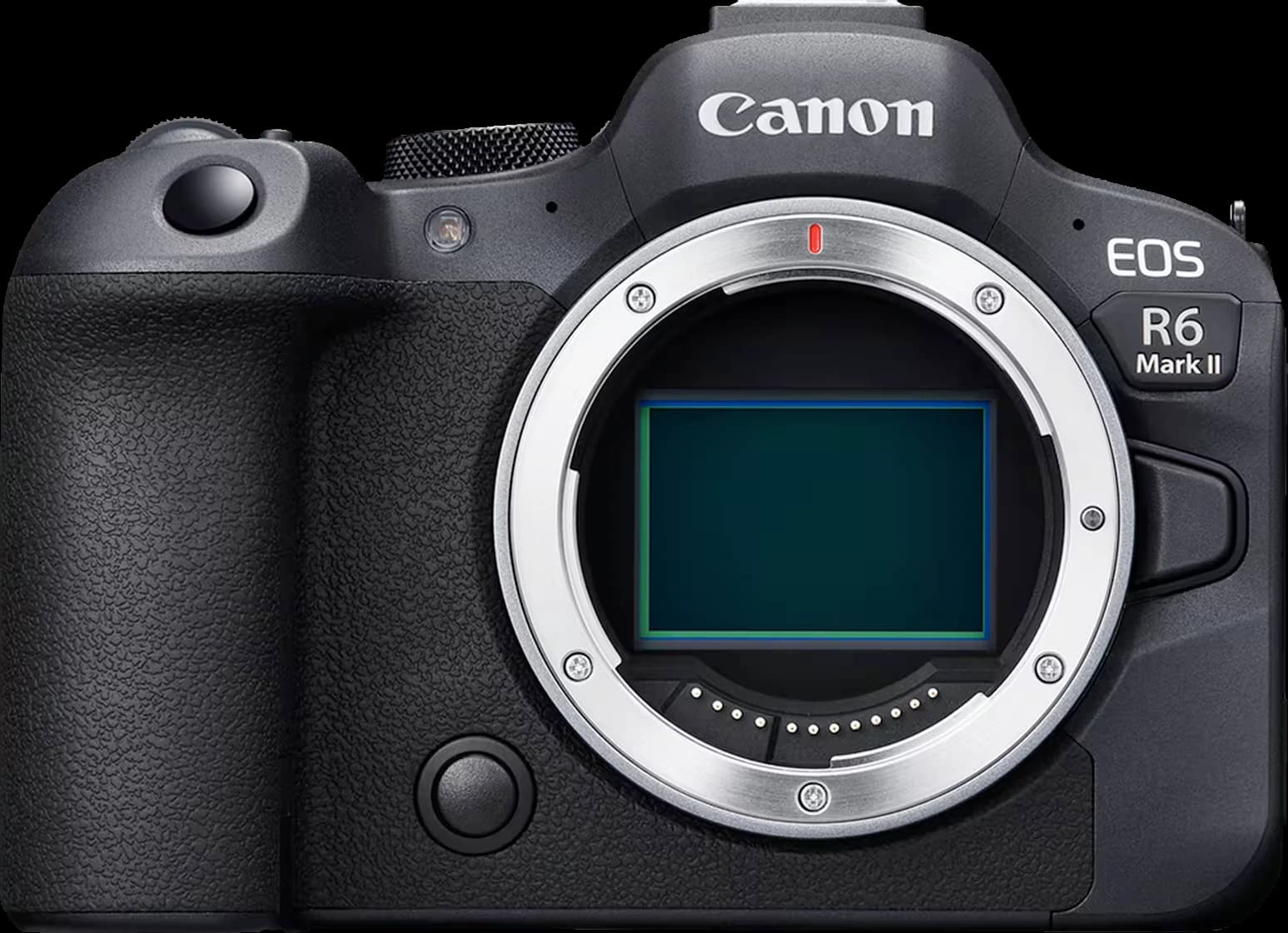
Review Canon EOS R6 Mark II: Still the Right Choice in 2026?
The Canon EOS R6 Mark II remains the most balanced general-purpose hybrid in its class for weddings, portraits and travel, provided you accept a RAW buffer limited to 75 images and video capped at 4K/60p.
Read the review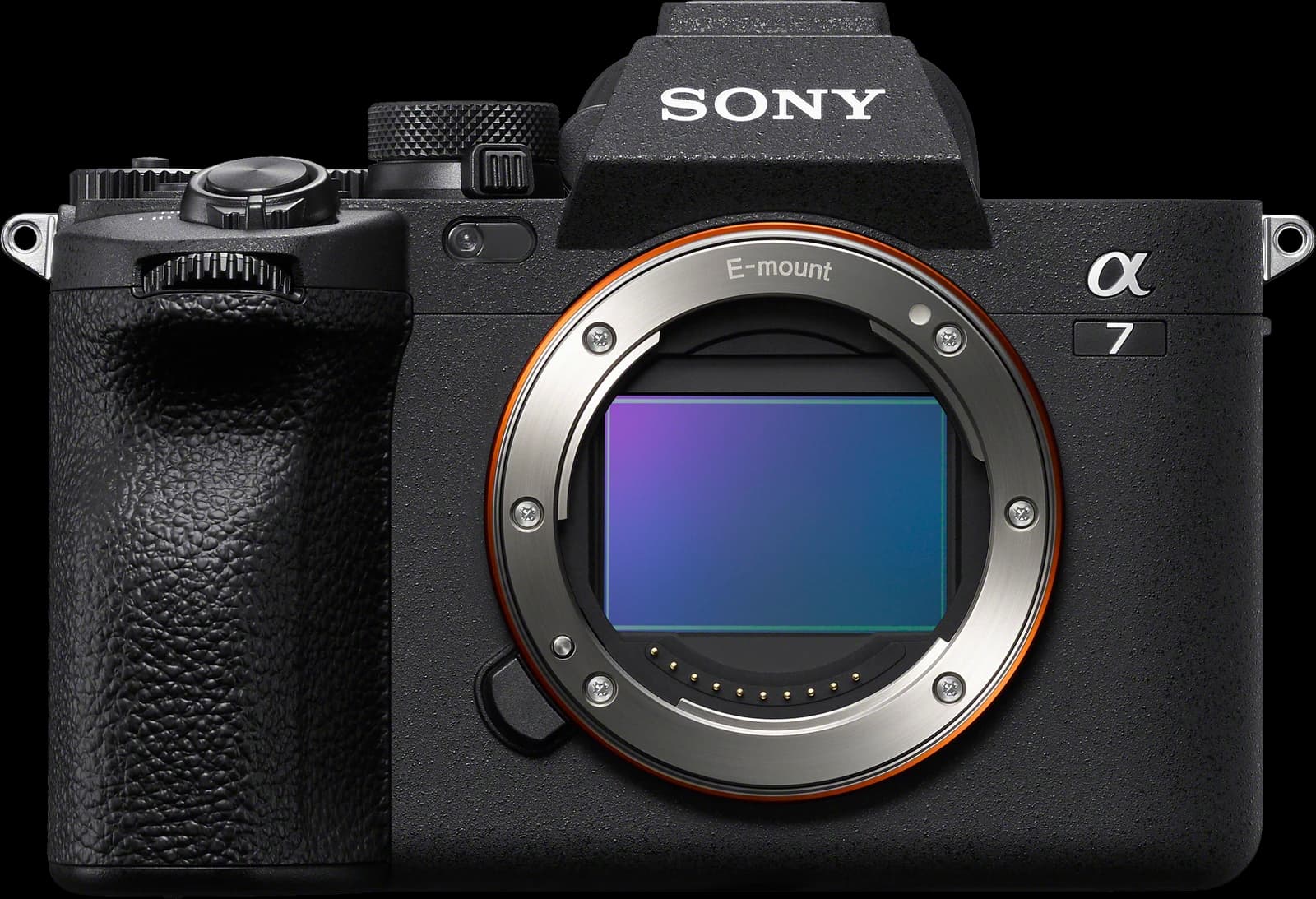
Review: Sony α7 IV – Still the Right Choice in 2026?
Full-frame all-rounder still relevant used for weddings, portraits and occasional video. New, 2023-2024 rivals offer more for the same budget.
Read the review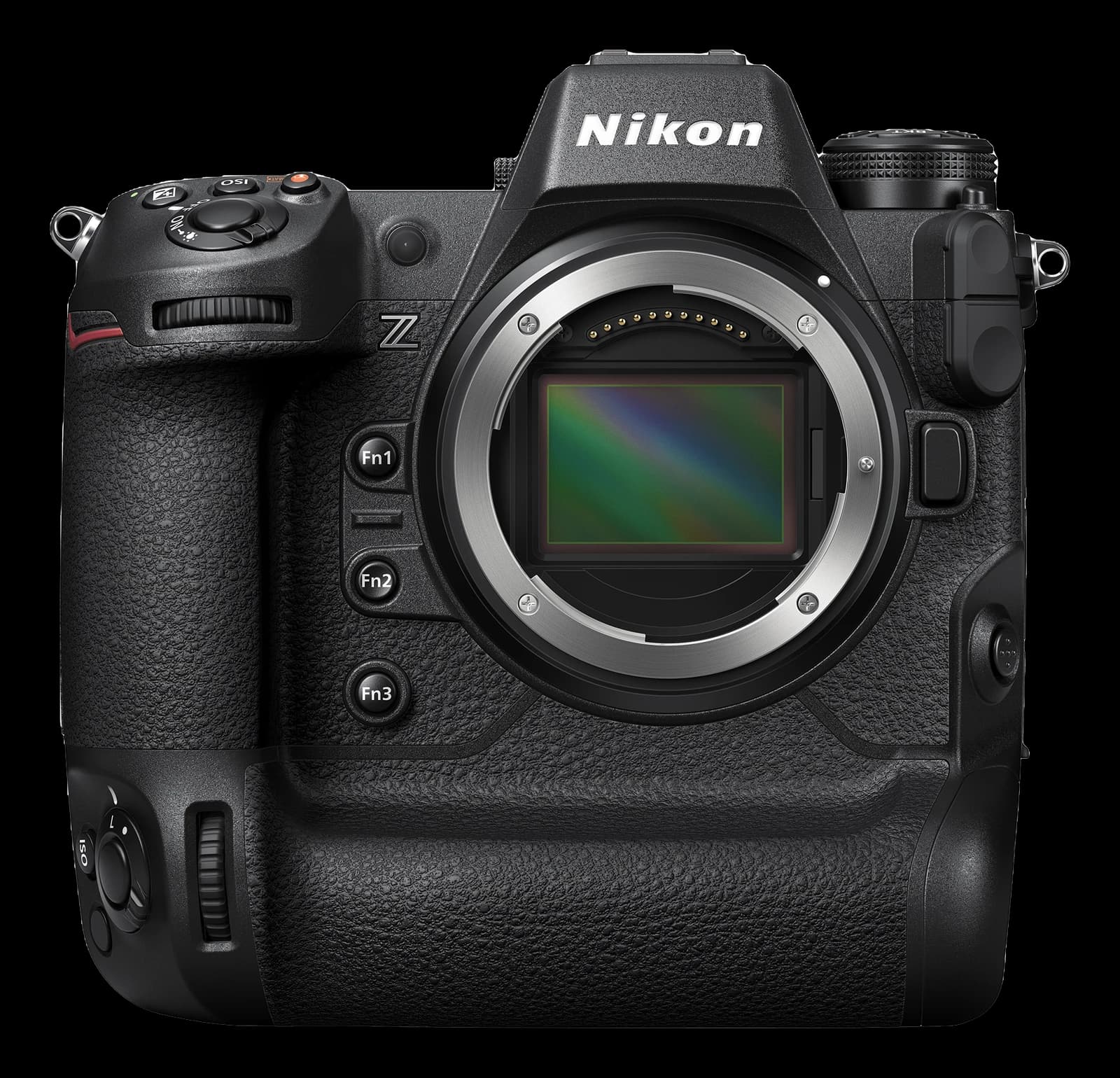
Nikon Z9 Review: Is the Nikon Flagship Still at the Top?
The Nikon Z9 remains a benchmark for professional sport and reportage thanks to its -8.5 EV AF and 1000 RAW buffer, yet the Z8 delivers the essentials for 1999 USD less.
Read the review